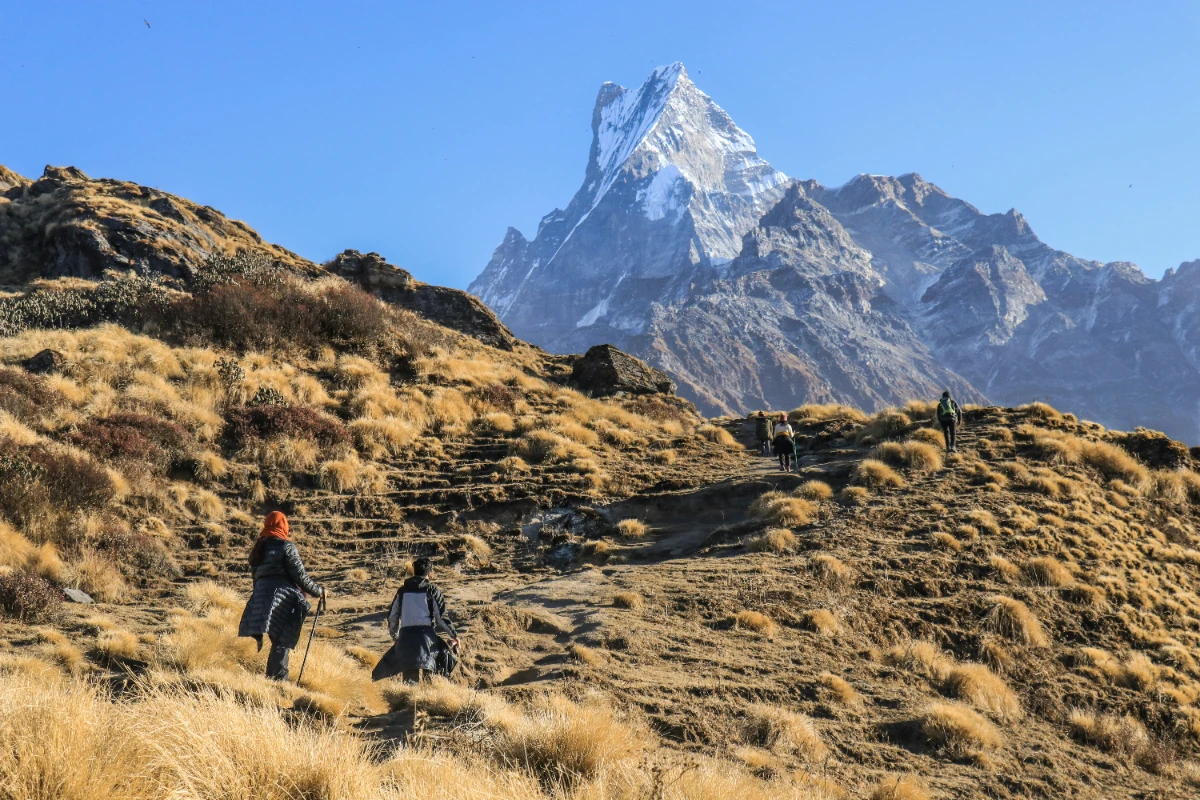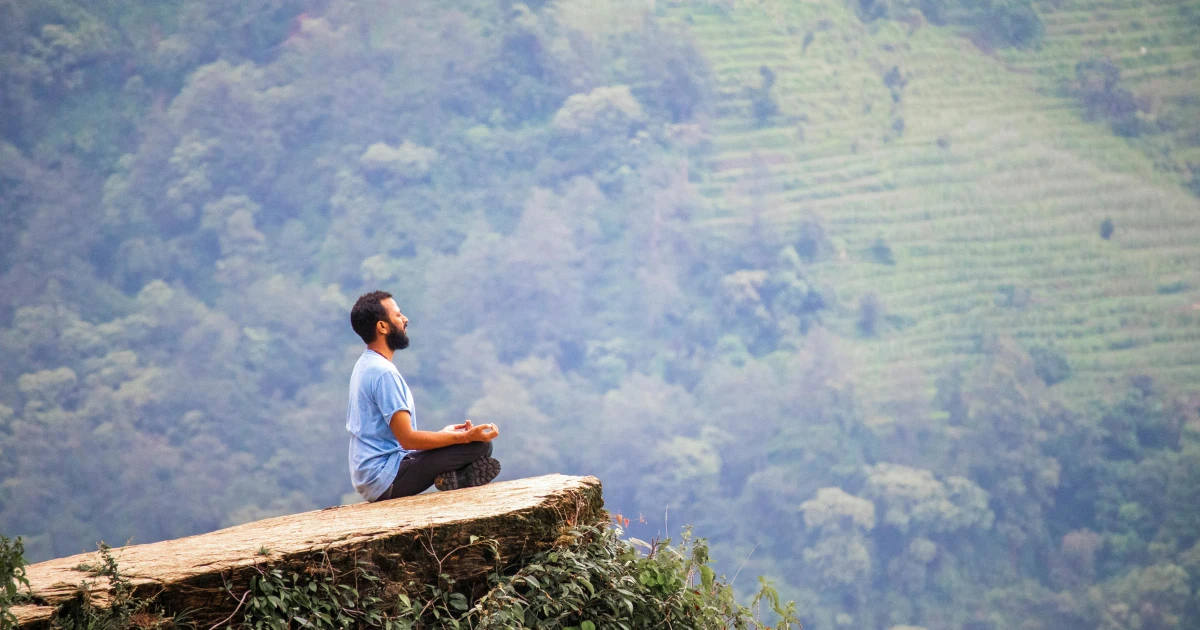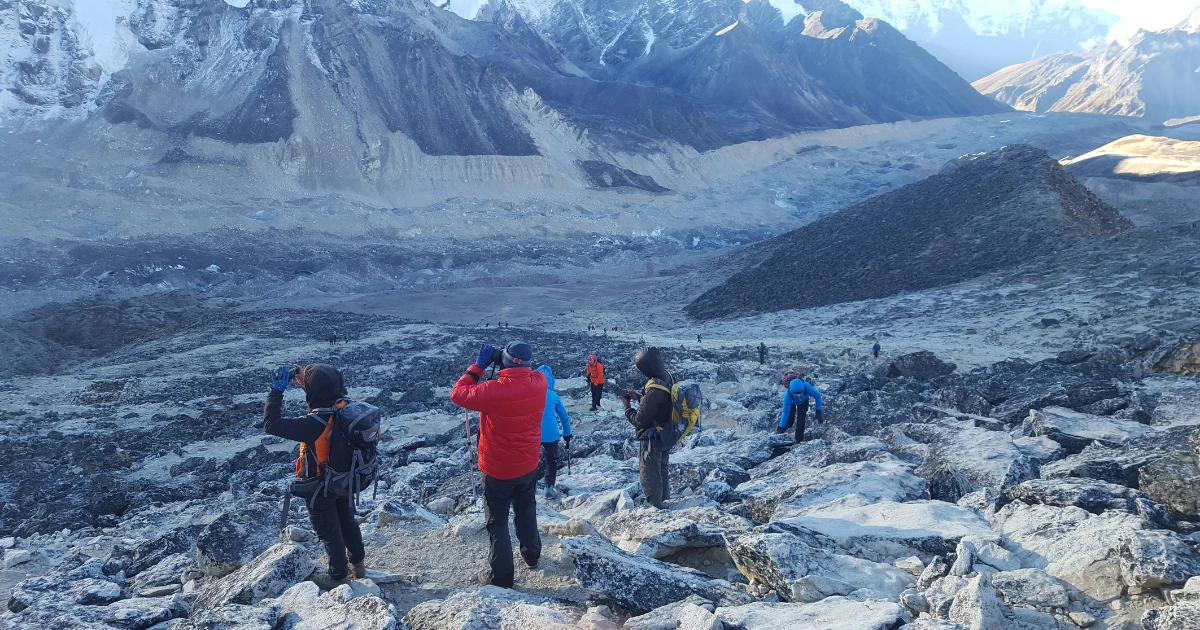
Trekking with children in the Himalayas isn't just about the panoramic views of 8,000m peaks; it’s about the stories they will carry into adulthood. It’s the wide-eyed wonder of a seven-year-old crossing their first suspension bridge, the laughter shared with local children in a Gurung village, and the quiet resilience built while climbing "just one more hill." At Hiking Nepal, we believe the mountains are the world's greatest classroom, and 2026 is officially the best year to enrol your family.
However, we also understand the "Parent’s Paradox." You want the adventure of a lifetime, but it comes tethered to a dozen anxieties: Will my child handle the altitude? Is the water safe? What if they get tired four hours from the nearest teahouse?
The 2026 Shift: Why Now is the Time for Families
If you’ve been eyeing Nepal for years but hesitated, the landscape of Himalayan travel has fundamentally changed for the better this year. In 2026, Nepal successfully transitioned into a "Safety-First" trekking destination. Following the nationwide implementation of the mandatory guide regulation, every family is now supported by a licensed professional who isn't just a navigator, but a first responder, a cultural bridge, and a safety net.
Furthermore, the "Teahouse Revolution" of 2025-2026 has brought unprecedented comfort to the trails. We’re talking about WIFI & Cellular Network to keep in touch with home, upgraded eco-lodges with electric blankets and warm dining areas, and menus that have evolved far beyond Dal Bhat to include reliable, kid-approved pasta, pancakes, and even fresh mountain bakery treats.
1. Ghorepani Poon Hill: The "Classic" Adventure
The Ghorepani Poon Hill trek is the gold standard for family trekking in Nepal, offering a true Himalayan experience without requiring weeks of isolation. For active children, the trail is an outdoor playground of stone stairs, waterfall sightings, and rhododendron forests that feel like something out of a fairy tale. The "magic" of this route lies in its infrastructure; the teahouses here are among the best in the country, often featuring shared "common rooms" where kids from around the world gather to play cards or draw while parents enjoy a hot ginger tea. The physical challenge of the "3,000 steps" to Ulleri is often turned into a game by our guides, helping children build resilience and a sense of accomplishment.
The 5-Day Family Itinerary:
- Day 1: Pokhara to Tikhedhunga (1,540m): A scenic 1.5-hour drive to Nayapul followed by a gentle 4-hour walk. The trail follows the Bhurungdi Khola river, offering plenty of spots to skip stones and see local mule trains.
- Day 2: Tikhedhunga to Ghorepani (2,860m): The "big climb" day. We take it slow, ascending the famous stone stairs to Ulleri and continuing through ancient oak forests. Total walking: 5–6 hours with frequent "treat breaks."
- Day 3: Poon Hill Sunrise & Trek to Tadapani (2,630m): An early start to see the sun hit the 8,000m peaks of Dhaulagiri and Annapurna I. It’s a literal "golden moment" for kids. The hike to Tadapani involves walking through a forest where monkeys are often spotted in the canopy.
- Day 4: Tadapani to Ghandruk (1,940m): A shorter 3–4 hour descent. Ghandruk is a stunning Gurung heritage village where kids can visit the local museum and even try on traditional mountain costumes.
- Day 5: Ghandruk to Pokhara: A final easy walk down to Syauli Bazaar, followed by a private jeep transfer back to the comforts of Pokhara for a celebratory lakeside dinner.
2. Australian Camp & Dhampus: The "Soft" Introduction
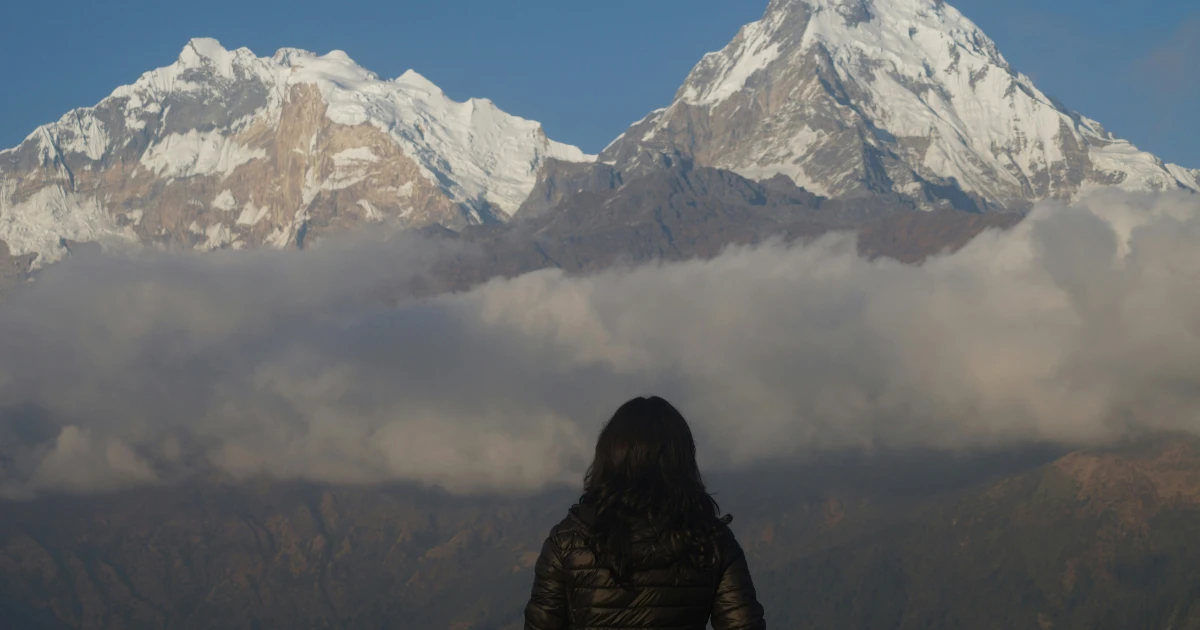
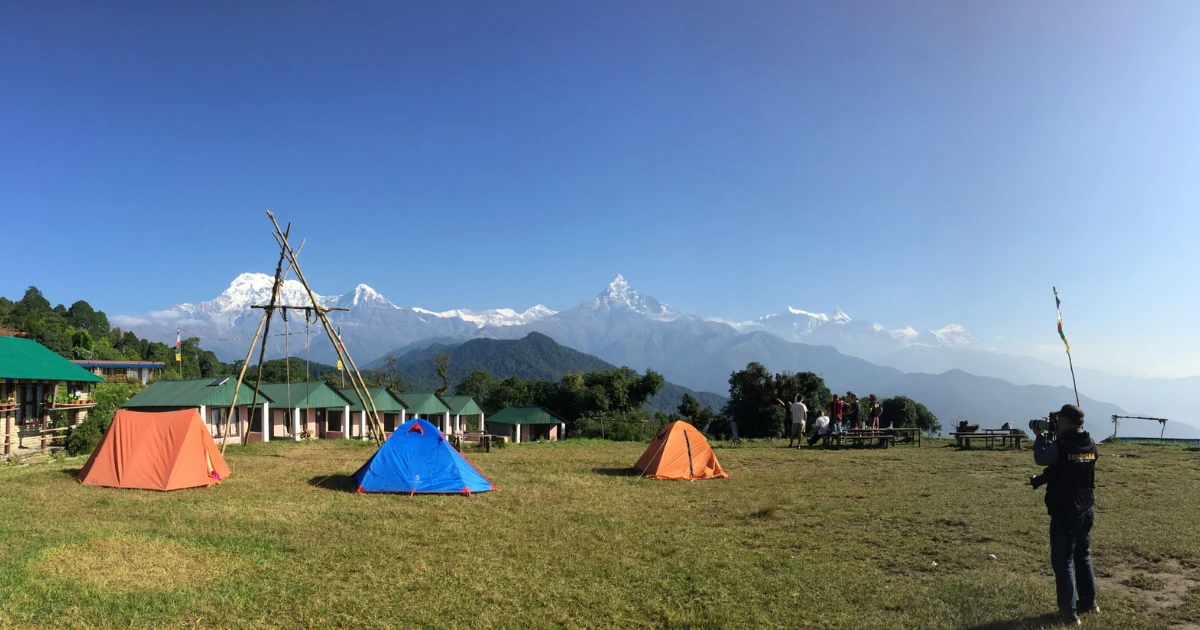
If you have toddlers or very young children, the Australian Camp and Dhampus circuit is the most stress-free way to see the Annapurna range. Because the maximum altitude stays just above 2,000m, the risk of altitude sickness is virtually zero, allowing parents to breathe as easily as the kids. This trek is characterised by wide, ridge-line trails that offer "balcony views" of the mountains almost the entire way. The walking days are deliberately short (around 3 hours), leaving the entire afternoon free for "village exploration", visiting local schools, watching water buffalo in the fields, or simply running around the grassy meadows of the camp.
The 5-Day Family Itinerary:
- Day 1: Pokhara to Australian Camp (2,060m): A 1-hour drive to Kande followed by a 1.5–2 hour hike. This is a short, sharp climb through the woods that ends at a massive, flat meadow with panoramic views of Machhapuchhre (Fishtail).
- Day 2: Exploration Day at Australian Camp: Instead of moving on, we spend a day here. Kids can participate in a "nature scavenger hunt" or a basic outdoor drawing workshop while enjoying the view.
- Day 3: Australian Camp to Dhampus (1,650m): A gentle 2-hour descent through a shaded jungle. Dhampus is a picturesque village known for its traditional stone houses and incredible hospitality.
- Day 4: Dhampus to Sarangkot (1,600m): We extend the classic route to include Sarangkot. This walk follows a peaceful ridge with the Pokhara valley on one side and the high Himalayas on the other.
- Day 5: Sarangkot Sunrise & Return to Pokhara: After watching the sunrise over the city and lake, we take a final 2-hour walk down (or a fun cable car ride!) back to Lakeside, Pokhara.
3. Balthali Village Loop: The "Cultural" Escape
The Balthali Village trek is a "hidden gem" located just on the outskirts of the Kathmandu Valley. It is the perfect choice for families who want to avoid the logistical hassle of domestic flights or long bus rides. This route is less about jagged peaks and more about the "Soul of Nepal", terraced rice paddies, orange orchards, and ancient Newari architecture. The trails are wide and safe, with no steep drop-offs, making it ideal for energetic kids who like to run ahead. It’s a sensory experience: the smell of pine forests, the sight of golden mustard fields, and the taste of fresh oranges picked right from the tree.
The 5-Day Family Itinerary:
- Day 1: Kathmandu to Nagarkot (2,175m): A short drive to Changu Narayan (a UNESCO temple for a quick history lesson) followed by a 3–4 hour hike to the Nagarkot ridge.
- Day 2: Nagarkot to Dhulikhel (1,440m): A long but mostly downhill 6-hour walk through pine forests. We break this up with a picnic lunch at a viewpoint overlooking the Langtang range.
- Day 3: Dhulikhel to Balthali via Namobuddha (1,730m): A highlight for many is visiting the Namobuddha Monastery. Kids love the colourful prayer flags and the peaceful chanting of the monks before a final 2-hour walk to Balthali.
- Day 4: Balthali Exploration Day: A dedicated day to visit local farms. We can arrange for children to try traditional "plowing" (with help!), visit a local school, or hike to a nearby hidden waterfall for a splash.
- Day 5: Balthali to Panauti & Return to Kathmandu: A final 3-hour walk to the ancient town of Panauti. After exploring its medieval streets and temples, a private car whisks you back to Kathmandu in under 2 hours.
Featured Itinerary: The 5-Day Ghorepani Poon Hill Family Loop
This is our most requested itinerary at Hiking Nepal. It is designed to be "anti-clockwise" to make the ascent gentler for smaller legs.
| Day | Route | Elevation | Highlight for Kids |
| 01 | Drive Pokhara to Nayapul; Trek to Tikhedhunga | 1,540m | Crossing the first big suspension bridge! |
| 02 | Tikhedhunga to Ghorepani | 2,860m | Counting the "3,000 stone steps" to Ulleri. |
| 03 | Sunrise at Poon Hill; Trek to Tadapani | 3,210m | Seeing the "Mountains" turn gold at sunrise. |
| 04 | Tadapani to Ghandruk | 1,940m | Walking through the "Enchanted" rhododendron forest. |
| 05 | Ghandruk to Pokhara | 820m | Trying on traditional Gurung dresses in the village. |
1. Managing the Altitude: The "Kid-First" Protocol
While our 5-day itineraries stay below the high-risk "death zone," any ascent above $2,500m$ (8,200 ft) requires vigilance. Children are just as prone to Acute Mountain Sickness (AMS) as adults, but they often lack the vocabulary to describe it.
- Spotting the Signs: For non-verbal or young children, AMS doesn't look like a "headache." Look for the "AMS Trifecta":
- Extreme Irritability: Unexplained "mountain meltdowns" or fussiness.
- Food Refusal: Turning down even their favourite treats or chocolate.
- Lethargy: A normally bouncy child who just wants to lie down and doesn't want to play.
- The Golden Rule: If symptoms appear, stop and descend. Even a $300m$ to $500m$ drop in altitude can work miracles within an hour.
- Hydration Games: Dehydration mimics AMS. We recommend "fun" hydration, using bladders with straws (kids love the novelty) or adding a splash of juice or electrolyte powder to their water to keep them sipping.
- Pulse Oximeters: Our guides carry medical-grade oximeters to check your child's oxygen saturation daily. It’s a quick, painless "laser light" test that gives parents immediate peace of mind.
2. The 2026 Guide Mandate: Your "Mountain Nanny" & Expert
As of 2026, the Nepal Tourism Board’s nationwide mandate requires all foreign trekkers to hire a licensed guide. While solo hikers might grumble, for families, this is the ultimate upgrade. At Hiking Nepal, we don't just provide a guide; we provide a family specialist.
- The "Naturalist" Educator: Himalayan trails are living biology books. Our guides keep kids engaged by spotting Langur monkeys, identifying Himalayan vultures, and explaining why the rhododendrons change colour with altitude.
- The Logistical Wizard: Forget the stress of "Is there a room for us?" or "When will the food be ready?" Your guide handles the 2026 Digital Blue TIMS permits, pre-orders meals so they’re ready the moment you arrive, and ensures your teahouse has extra blankets.
- Emotional & Physical Support: We’ve seen it all, from "I can't walk another step" to "I lost my favourite toy." Our guides are experts at turning a hike into a scavenger hunt or carrying a tired toddler in a traditional Doko (basket) when legs give out.
3. What to Eat? (Beyond the Dal Bhat)
"Dal Bhat Power" is great for porters, but kids often crave the familiar. By 2026, teahouse menus in the Annapurna and Everest regions have become impressively diverse.
- The Menu Reality: Most lodges now serve what we call "Mountain Comfort Food":
- Breakfast: Apple pancakes, porridge with honey, cinnamon toast, and "Tibetan Bread" (a delicious fried dough).
- Lunch/Dinner: Veggie burgers, "Mountain Pizza" (hand-stretched dough with local yak cheese), and spaghetti with fresh tomato sauce.
- Water Safety: Never give your child tap water. We provide UV-sterilised or boiled water at every stop. For extra safety, we recommend parents carry a LifeStraw or Steripen for quick refills from mountain springs.
- The "Secret Stash" Strategy: Even with the best menus, altitude can make kids picky. Pro Tip: Pack a "Home Comfort Bag" with:
- Granola/protein bars (low sugar, high energy).
- Fruit leathers or dried mango.
- A small jar of Peanut Butter (the ultimate high-calorie fuel).
- The Reward Snack: A specific candy or treat they only get after reaching the day’s "milestone" (e.g., that big bridge or the top of the hill).
A Note on Hygiene: In 2026, many family-friendly teahouses offer Western-style sit-down toilets and hot showers. However, always carry a "Go-Bag" with biodegradable wet wipes and hand sanitiser, essential for those mid-trail bathroom breaks!
Essential Gear Checklist for Kids
Packing for a child in the Himalayas is a delicate balance: you need to be prepared for four seasons in one day without overloading your porter or yourself. In 2026, technical gear for kids has caught up to adult standards. Here is what your little trekker needs:
The Layering System
- Base Layers (2 Sets): Merino wool is the gold standard for 2026. It stays warm even if it gets damp and doesn't hold odours. We recommend brands like Mountain Warehouse or Smartwool for kids.
- The "Puffy" Jacket: A lightweight, high-loft down or synthetic jacket. Even in the sun, it gets chilly the moment you stop for a break.
- Modular Trousers: Zip-off hiking pants are a lifesaver. Start the morning in "trousers mode" and zip them into shorts as the valley warms up.
- Proper Footwear: Do not just rely on sneakers. Kids need ankle support and grip for the rocky "Poon Hill steps." Ensure they are waterproof (Gore-Tex) and broken in at least 3 weeks before the trip.
Equipment & Tech
- Child Carriers: If your child is under 5, a high-quality carrier is non-negotiable. The Osprey Poco Premium or Deuter Kid Comfort Active are our 2026 top picks for their ergonomic suspension and integrated sunshades.
- UV Sunglasses & Sun Hat: At high altitudes, the UV index is significantly higher. Eye protection is vital for children.
- Entertainment for "Teahouse Time": After 3:00 PM, you’ll be in the lodge. Bring a Kindle loaded with books or a tablet with pre-downloaded movies (though 2026 Starlink Wi-Fi is common, it can be spotty in deep valleys).
- Rechargeable Headlamp: Essential for those early sunrise walks or navigating a dark teahouse at night.
Navigating the Annapurna Conservation Area (ACAP) in 2026
Trekking through the Annapurna Conservation Area (ACAP) is a privilege that comes with a commitment to preserving one of the world’s most biodiverse regions. In 2026, the permit system has transitioned into a "human-made tech ecosystem." While the old paper TIMS cards for solo travellers are a thing of the past, all foreign trekkers must now obtain the e-TIMS (Group/Guided) permit. This digital permit includes a QR code that stores your insurance details and your guide’s credentials, ensuring that every family is accounted for in the national safety database. For families, there is a silver lining: children under the age of 10 are currently exempt from ACAP permit fees, making the "Gateway to the Himalayas" even more accessible for those travelling with little ones.
Pokhara: Your Family-Friendly Basecamp
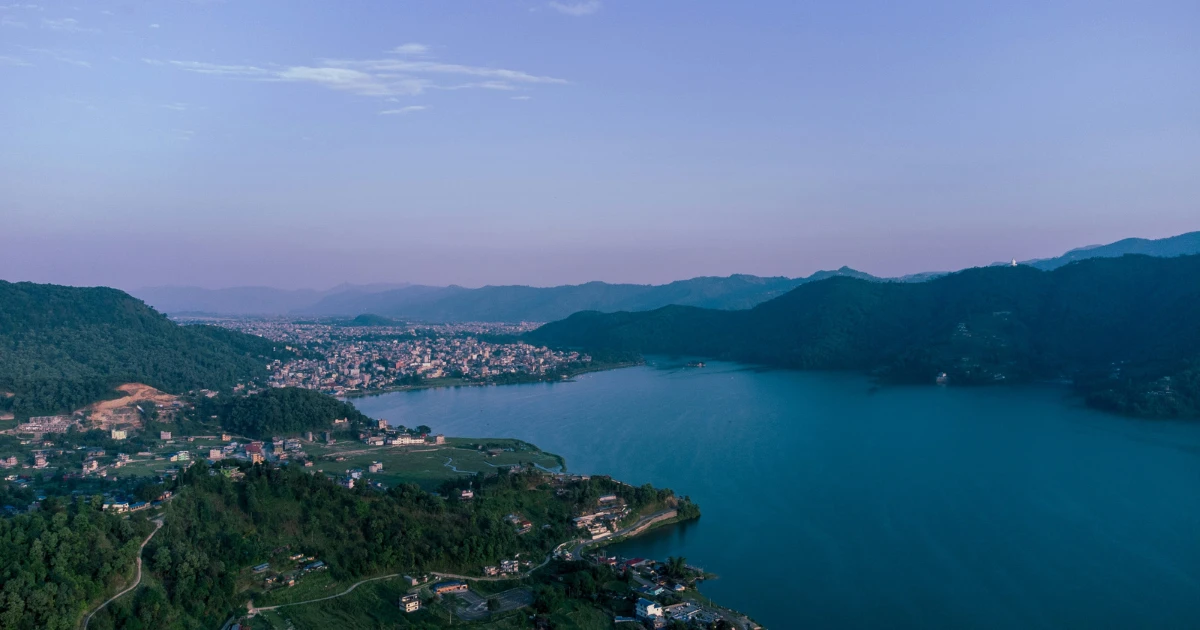
Before you step onto the trail, your journey begins in Pokhara, the undisputed hub for family adventure in Nepal. In 2026, Pokhara has evolved into a world-class tourism city, offering everything from high-speed fibre internet to boutique eco-resorts with swimming pools, the perfect "carrot" to dangle in front of the kids after the trek. We recommend spending at least two days here to let the children adjust to the local rhythm. You can spend your afternoons boating on the serene Phewa Lake or visiting the International Mountain Museum, which serves as a fantastic "orientation" for the peaks they are about to see.
The 2026 Guide Mandate & Health Safety
Under the Mandatory Nepal Guide Regulation of 2026, trekking without a licensed professional is no longer permitted in conservation areas. While this ensures local employment, its primary function is your family's safety, specifically regarding Acute Mountain Sickness (AMS). Children often find it difficult to express the subtle symptoms of altitude, such as a mild headache or dizziness. A Licensed Nepal Guide is trained to act as a safety officer, monitoring your child's oxygen levels with medical-grade oximeters and ensuring a "slow-travel" pace that allows for proper acclimatisation.
The Modern Teahouse Experience
The Teahouses of the Annapurna region have undergone a massive transformation for the 2026 season. No longer just "plywood huts," many now offer upgraded amenities specifically for families, including heated common dining areas and even electric blankets in certain luxury lodges. These family-run guesthouses are the heart of the trek, where you can enjoy a safe, hot meal after a day on the trail. While the menus have expanded to include international favourites like pizza and pasta, the "gold standard" remains fresh, locally sourced vegetables and grains, ensuring your little explorers have the high-carbohydrate fuel they need to keep moving.
Frequently Asked Questions (FAQ)
Q: Is it safe to take a toddler to Poon Hill (3,210m)?
A: Yes, provided you ascend slowly. Most toddlers do excellently as long as they are kept warm and hydrated. We recommend a professional carrier/porter to assist.
Q: Are there Western-style toilets on the trail?
A: In most "Luxury" or "Standard" teahouses on the Annapurna route, you will find sit-down toilets and hot showers. However, it's always good to carry a pack of biodegradable wet wipes!
Q: What is the best month for a family trek?
A: March to May (Spring) is perfect because the rhododendrons are in bloom, or October to November (Autumn) for the clearest mountain views.
Ready to book your family’s first Himalayan adventure?
At Hiking Nepal, we don’t just "allow" children on our treks; we design the experience for them. We know that a successful family trek isn't measured in kilometres, but in the smiles at the end of the day.
In 2026, our family-exclusive packages include:
- Customised Pacing: We build in "buffer days" and shorter walking hours so you never feel rushed.
- The "Junior Explorer" Program: Our guides carry educational kits to teach your kids about Himalayan geology, local wildlife, and basic Nepali phrases.
- Safety-First Equipment: Every family group is equipped with a satellite messenger and a medical-grade oximeter.
- Certified Family Guides: Our guides have undergone specific training in pediatric altitude symptoms and child-centred engagement.
At Hiking Nepal, we specialise in creating flexible, child-centred itineraries that move at the pace of your family, not the clock. Let's make your dream family vacation come true. Reach out to us at [email protected] or +977 9802342080. We will be happy to assist you with the rest.