Easy Treks in Nepal for First-Time Trekkers
Nepal is famous for big mountains and tough climbs, but that is only one part of the story. At Hiking Nepal, we know that the Himalayas are for everyone. Many of our favorite trails are gentle and have great support. You do not need to be a professional athlete or have experience at high altitudes. All you really need is a sense of adventure, basic fitness, and a steady walking pace.
Nepal is a perfect place for your first trek because the setup is so simple.
Why it works for beginners
The trails are easy to follow, and you are never far from a village. We use the "Teahouse" system, which means you have a warm bed and a hot meal waiting for you every single night.
- No Heavy Lifting: You only need to carry your daily essentials. You do not need to pack tents or heavy cooking gear.
- Take Your Time: There is no reason to hurry. You can walk for a few hours, stop for tea, and enjoy the views.
- Simple Paths: These are walking trails, not climbing routes. There are no cliffs or technical parts that require special gear.
Our Goal: Comfort and Confidence
At Hiking Nepal, we help people finish their very first trek every season. It is normal to feel a little nervous at the start. Most of our guests are surprised by how much they enjoy the journey once they get moving. We plan our trips so you have plenty of time to rest and get used to the fresh mountain air.
We focus on the experience rather than the speed. You will have time to meet local families, see the colorful prayer flags, and take photos of the peaks. These are some of the recommended trips for beginners in Nepal.
Ghorepani Poon Hill Trek
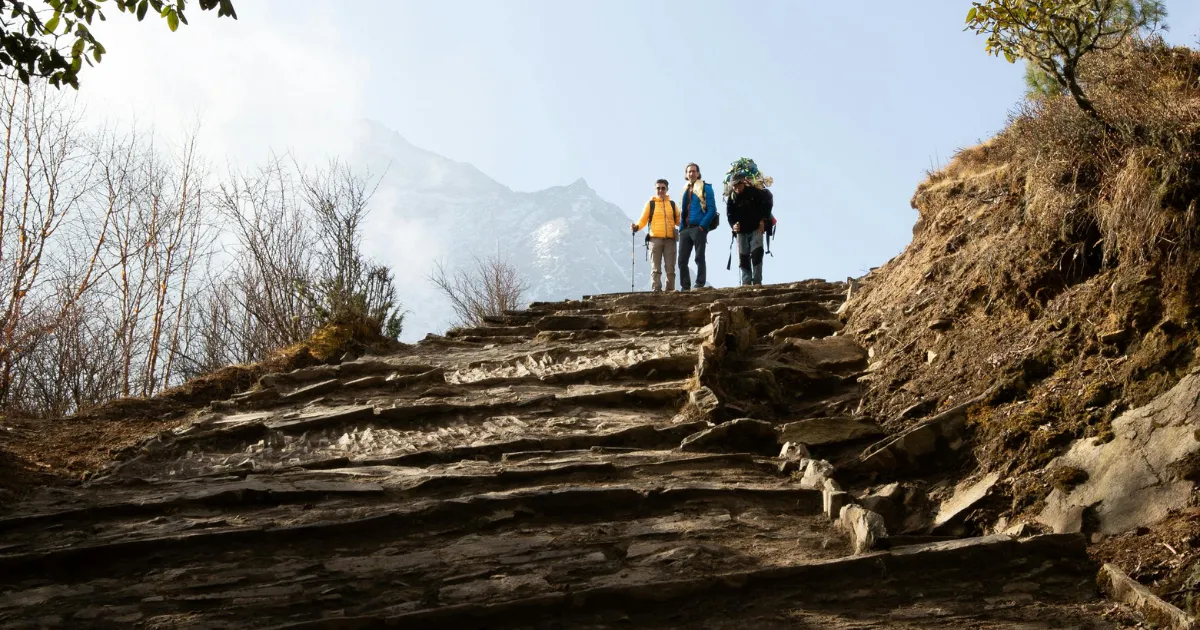
This trek is often the first introduction to trekking in Nepal, and for good reason. The trail passes through villages, forests, and stone staircases that are well-maintained. You walk through rhododendron forests, stay in comfortable teahouses, and meet other trekkers along the way.
The highest point is Poon Hill, which sits at a moderate altitude. The sunrise view over the Annapurna and Dhaulagiri ranges is one of the most rewarding moments for first-time trekkers. The days are short, the walking is steady, and the support along the trail is excellent. This trek builds confidence without stress.
Annapurna Base Camp Trek
While slightly longer, Annapurna Base Camp is still very suitable for beginners when paced properly. The trail gradually climbs through villages, farmland, and forests before entering a wide alpine sanctuary surrounded by high peaks.
What makes this trek approachable is the gradual ascent and the quality of teahouses along the way. You are rarely far from food or shelter. With proper acclimatisation days and a guide to manage pacing, first-time trekkers handle this route well. The sense of walking into the heart of the mountains feels powerful without being overwhelming.
Mardi Himal Trek
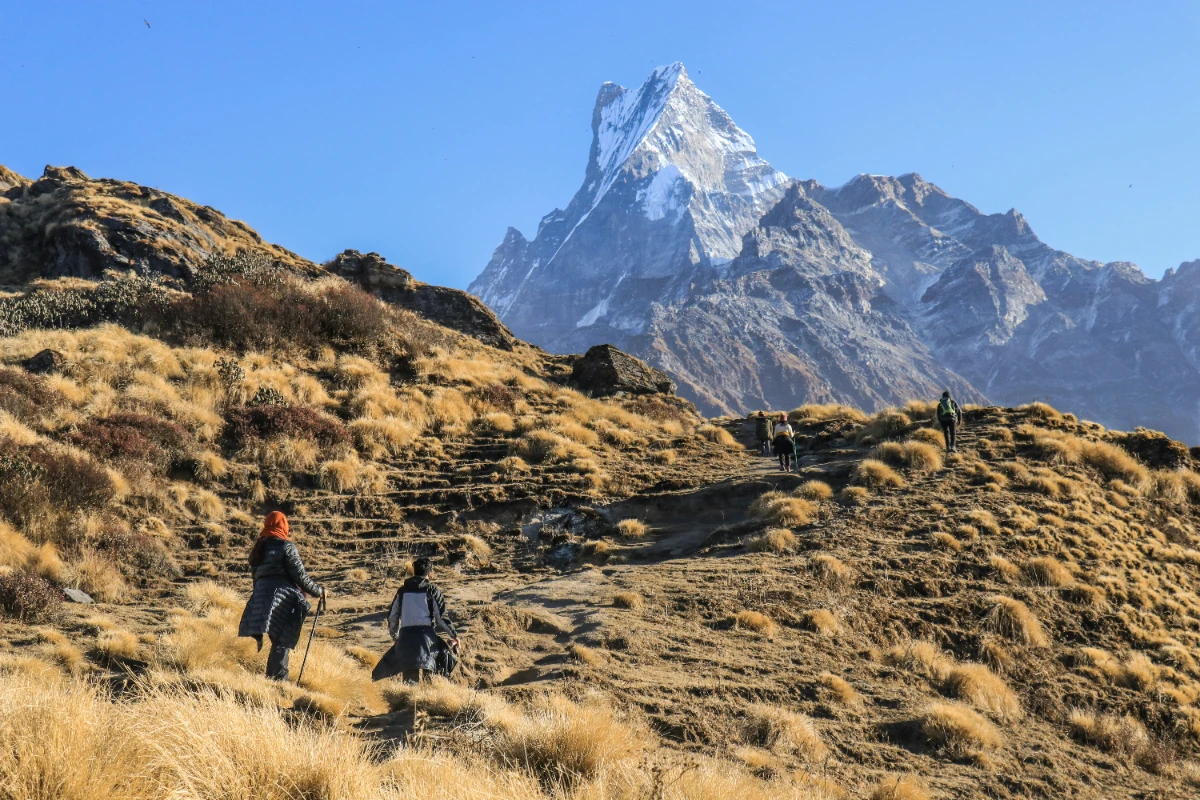
Mardi Himal is ideal for beginners who want quieter trails. It is shorter than Annapurna Base Camp and less crowded, yet still well marked. The lower sections pass through forests and villages, while the upper ridge offers open views of Machhapuchhre and the Annapurna range.
The altitude is manageable, and the walking days are not long. Because the trail is more peaceful, many first-time trekkers feel less pressure and more space to walk at their own rhythm. With a guide, navigation and weather awareness become simple, allowing beginners to focus on the experience.
Langtang Valley Trek
Langtang Valley is one of the easiest mountain treks to access from Kathmandu. The trail follows a river valley, which helps with natural acclimatisation. Villages appear regularly, and the cultural aspect of the trek is as strong as the scenery.
For beginners, Langtang works well because it feels remote without being difficult. The walking is steady, the altitude gain is gradual, and the community support along the trail is strong. Many first-time trekkers say this trek feels personal and welcoming.
Australian Camp and Dhampus Trek
This short trek near Pokhara is perfect for those who want to test trekking without committing to many days. The trail is easy, the elevation is low, and the views open quickly. You walk through villages and forest paths and reach viewpoints that offer wide Himalayan panoramas.
For first-time trekkers, this route removes fear completely. It shows what trekking feels like in Nepal while keeping everything simple. Many people use this trek as a warm-up before choosing a longer route.
Pikey Peak Trek
Pikey Peak is gaining popularity among beginners who want Everest views without Everest crowds. The trail stays at a moderate altitude and passes through Sherpa villages and quiet hills.
The walking days are comfortable, and the summit view includes Everest, Lhotse, and Makalu on clear mornings. For first-time trekkers, this route feels calm and rewarding. It introduces the Himalayan scale without high-altitude pressure.
Why Easy Treks in Nepal Work for Beginners
Nepal’s trekking culture is built around slow travel. You do not carry heavy camping equipment. You sleep in teahouses. You eat hot meals. Trails are used daily by locals, guides, and porters. This structure removes many of the risks that first-time trekkers worry about.
Guides play a key role. At Hiking Nepal, our guides focus on pacing, hydration, and comfort rather than speed. Beginners often walk better when they feel supported rather than pushed. That is where experience matters.
Best Time for First-Time Trekkers
Spring, from March to May, and autumn, from September to November, are the most comfortable seasons. Weather stays stable, trails are dry, and teahouses operate fully. Beginners benefit from clear conditions and predictable days.
Winter treks are possible on lower routes, but nights are colder. Monsoon season brings rain and clouds, which can make first experiences less enjoyable.
Physical Preparation for Beginners
Physical preparation for trekking in Nepal is often misunderstood. Many first time trekkers worry they need gym routines, heavy strength training, or past hiking experience. In reality, the body adapts well when given time, rhythm, and consistency. Trekking in Nepal is not about speed or power. It is about endurance at a comfortable pace.
The most effective preparation is simple walking. Regular walks build stamina in a natural way. Walking on uneven paths, gentle hills, or stairs helps your legs adjust to the kind of movement used on the trail. Light hikes are helpful but not mandatory. Even daily walks of thirty to forty minutes make a difference when done consistently over a few weeks.
Cardio helps, but it does not need to be intense. Activities like brisk walking, cycling, or swimming support heart and lung strength without strain. What matters more than fitness level is how you move once you are on the trail. Trekking rewards those who walk slowly, take breaks, drink water often, and listen to their body.
Pacing is the most important skill beginners learn. Walking too fast causes early fatigue and increases the risk of altitude-related issues. Walking slowly allows your breathing to settle and keeps your energy steady throughout the day. Many first-time trekkers are surprised by how far they can walk when they stop rushing.
Rest is part of preparation, not a weakness. Short breaks during the day help muscles recover and prevent exhaustion. Teahouse treks in Nepal are designed around this rhythm. You walk, rest, eat, and sleep. This pattern allows beginners to complete multi-day treks without feeling overwhelmed.
Mental preparation matters just as much as physical readiness. Accepting that progress is slow removes pressure. The mountains set the pace, not the clock. Once beginners stop comparing themselves to others, trekking becomes enjoyable instead of stressful.
Many people finish their first trek feeling stronger than when they started. This happens because the body adapts quickly when movement is steady and stress stays low. Trekking in Nepal teaches beginners that strength is built through patience rather than force.
Top 7 FAQs About Physical Preparation for Beginner Trekkers
- Do I need gym training before trekking in Nepal?
No. Regular walking and light activity are enough for most beginner treks. Consistency matters more than intensity.
- How long should I prepare before my trek?
Four to six weeks of regular walking is usually sufficient. Even two to three weeks of focused preparation helps.
- Is altitude fitness the same as physical fitness?
No. Altitude affects everyone differently. Good pacing and acclimatisation matter more than how fit you feel at sea level.
- Will I slow down the group if I am a beginner?
Not on beginner-friendly routes. Good guides pace the trek for the slowest walker, which keeps everyone safe.
- What if I feel tired during the trek?
Feeling tired is normal. Resting, eating well, and staying hydrated usually restore energy quickly.
- Can older travellers complete beginner treks?
Yes. Age matters less than pacing and attitude. Many older trekkers do very well on easy routes.
- Is it normal to feel nervous before the first trek?
Yes. Almost everyone feels uncertain at first. Confidence usually grows within the first two days on the trail.
Nepal is one of the best places in the world for first-time trekkers. The mountains feel dramatic, but the journeys can be gentle. Easy treks allow beginners to experience Himalayan landscapes, village life, and personal growth without fear or pressure.
At Hiking Nepal, we believe your first trek should build confidence, not exhaustion. With the right route, the right pace, and the right guidance, trekking in Nepal becomes not just possible for beginners but deeply rewarding. Reach out to us today at [email protected] or +977 9802342081 to create a custom trip for you.