What Are Nepali Teahouses Really Like? Expectations vs Reality for Trekkers
When you mention "trekking in Nepal," most people picture a freezing tent perched on the side of a cliff. However, the reality of the Himalayas is much more communal, which is all about the teahouses.
For first-timers, these places are a total mystery. We’ve met travellers who expected luxury mountain resorts with roaring fireplaces and Five-Star service. We’ve also met others who were terrified they’d be sleeping in dark, dirty shacks with no running water.
The truth? It’s somewhere right in the middle.
Teahouses are the backbone of the Nepalese trekking experience. They aren't hotels, and they aren't hostels. They are simple, family-run guesthouses that offer a bed and a warm meal to tired hikers. They are practical, no-frills, and deeply tied to the local culture.
When you hit the trails in Nepal, you aren't just booking a room; you’re stepping into a local family's life. If you’re used to the hostels in Europe or guesthouses in Southeast Asia, the Nepalese teahouse is going to be a brand-new experience. It’s simple, it’s rustic, and honestly, it’s one of the best parts of the trip.
Here is the "No-BS" guide to what life is really like in a Himalayan teahouse.
The Basics: What is a Teahouse?
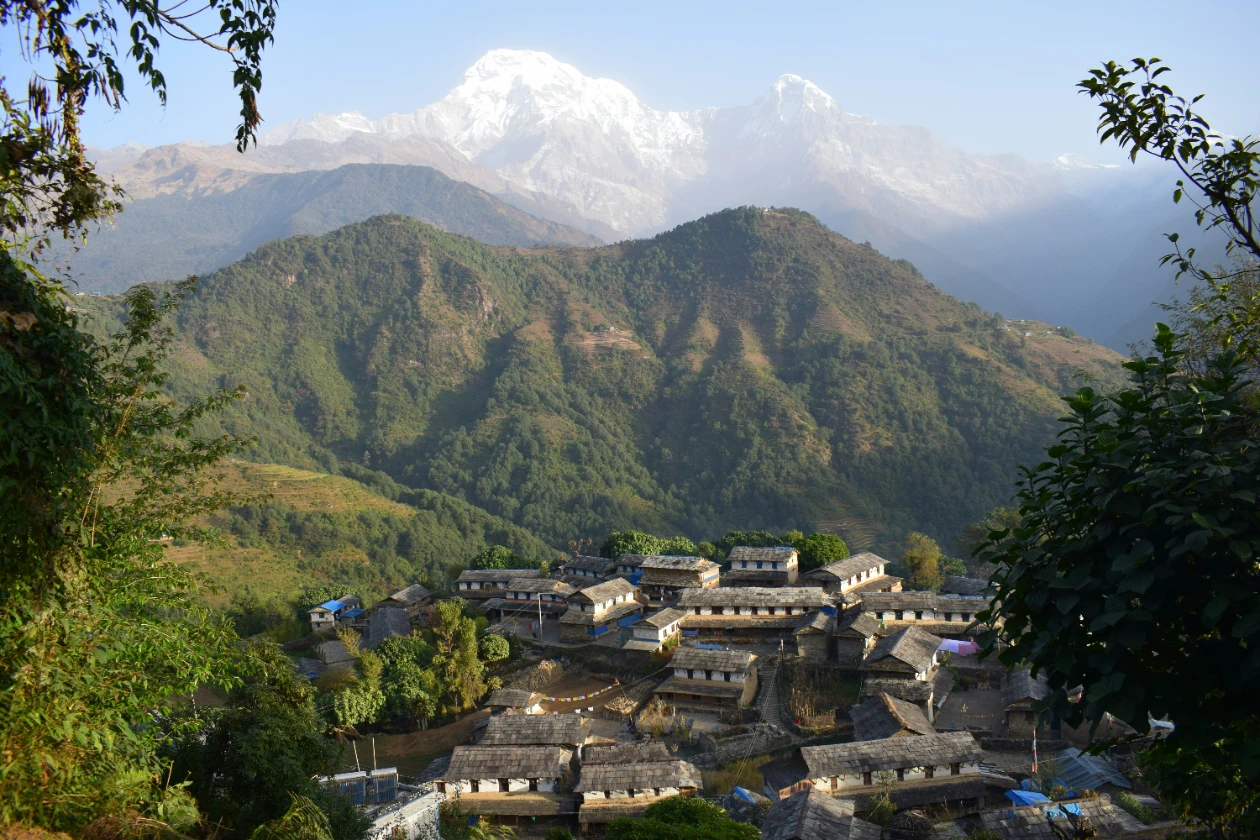
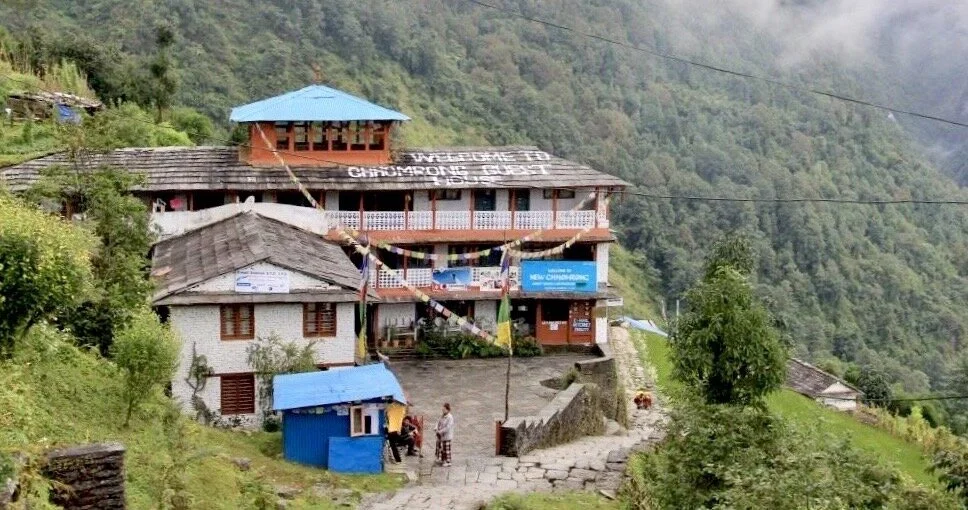
Think of a teahouse as a mountain lodge run by a local family. Decades ago, these were just private homes where a traveller could grab a cup of tea and a floor to sleep on. Today, they are purpose-built for trekkers, but they still feel like home.
Every teahouse has the same heart: The Dining Hall. This is the only room with a heater (usually a stove in the middle). This is where you’ll spend your entire evening eating, drying your socks, and meeting people from all over the world. Your bedroom, on the other hand, is just for sleeping. It won't have heat, and it won't be fancy.
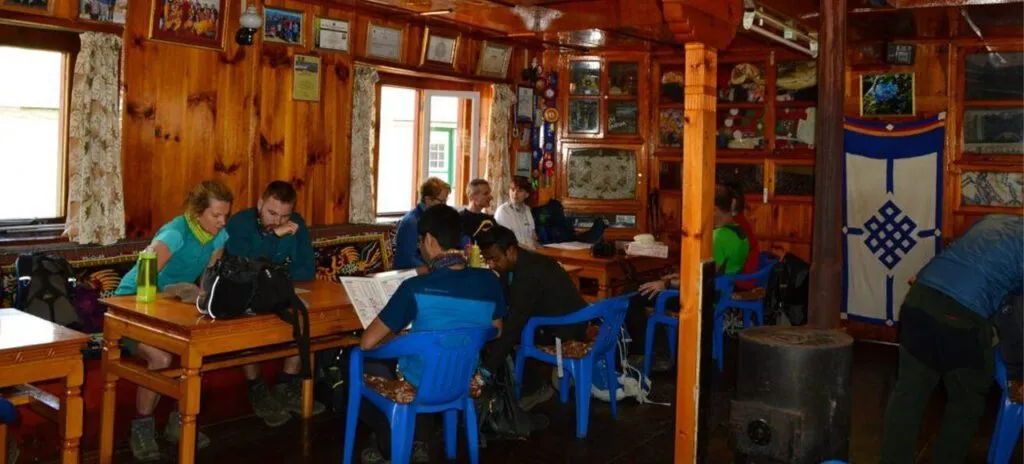
The Reality Check: Sleep and Hygiene
When you are trekking in the Himalayas, your room is a place to sleep, not a place to hang out. If you go in with the right expectations, you will find that these simple mountain lodges are exactly what you need after a long day on the trail.
Here is the reality of what you will experience when it comes to sleeping and staying clean.
The Rooms: Simple and Social
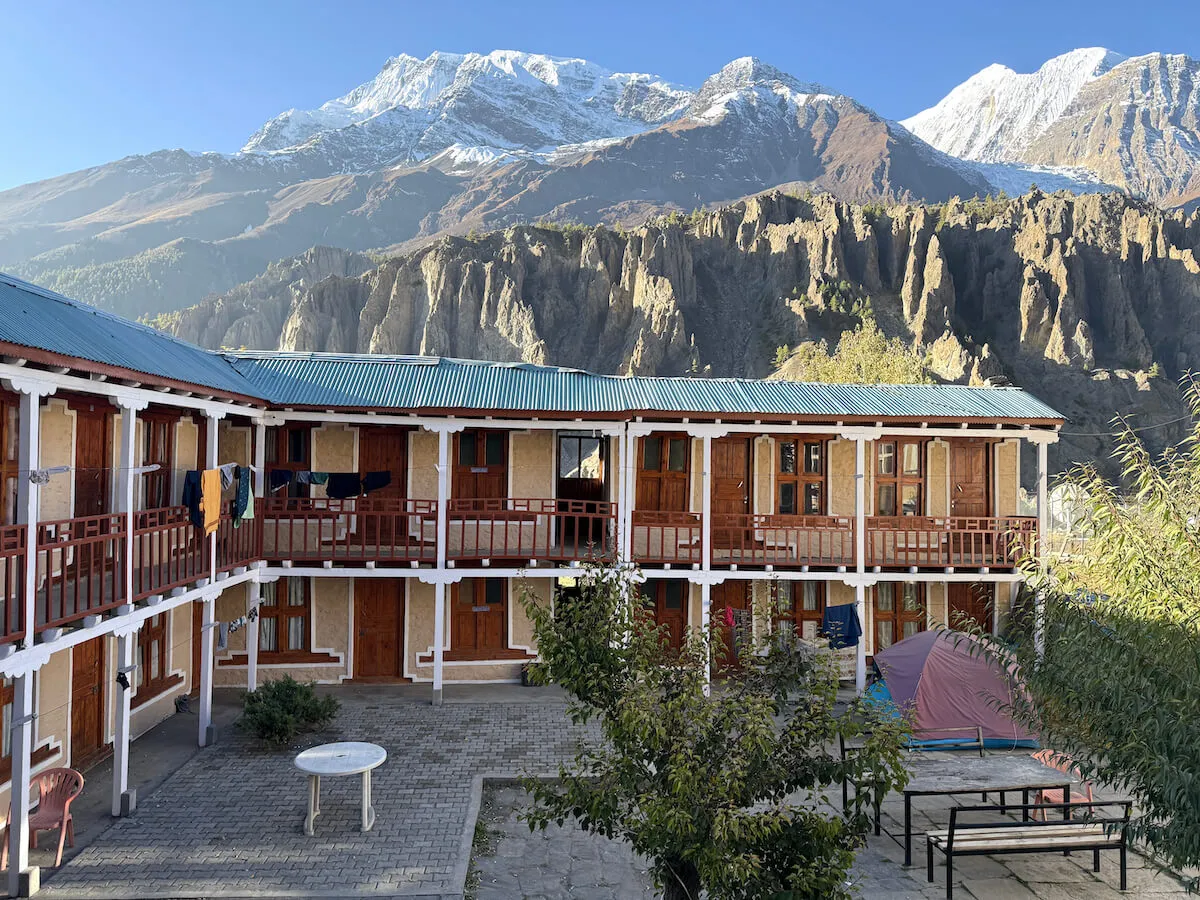
Most teahouse rooms are very basic. You will usually have two single beds with a thin foam mattress, a pillow, and a blanket. The walls are often made of thin plywood, which means they are not soundproof.
You will likely hear your neighbor snoring, people talking in the hallway, or the wind whistling against the building. It is all part of the mountain experience. Because the walls are thin, we always recommend bringing a good pair of earplugs so you can get a solid night of rest.
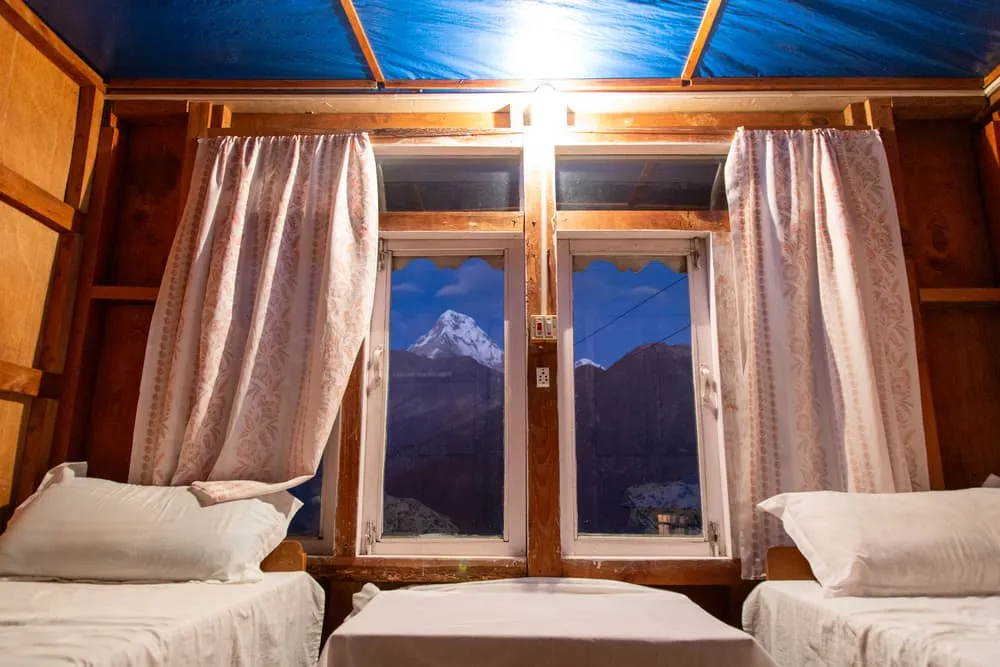
The Cold: Your Sleeping Bag is Your Best Friend
Even though you are sleeping indoors, do not expect the bedrooms to be warm. There is no heating in the sleeping areas; the only fire is in the communal dining hall.
Once the sun sets, the temperature inside your room will drop very quickly. While most lodges provide blankets, they are often not enough on their own, especially at high altitudes. A high-quality, four-season sleeping bag is essential to keep you warm and comfortable throughout the night.
The Bathrooms: Western vs. Squat
In lower villages and popular areas like Namche Bazaar, you can often find Western-style toilets. However, the higher you climb, the more likely you are to encounter "squat" toilets.
These are essentially a ceramic basin in the floor. While they might seem intimidating at first, many trekkers find them more hygienic because you do not have to make physical contact with a toilet seat. Just remember to bring your own toilet paper and hand sanitiser, as these are rarely provided for free.
Showers: Hot Water is a Luxury
In the mountains, heating water takes a lot of energy. Most teahouses offer hot showers for an extra fee (usually a few dollars), but they are never guaranteed.
Depending on where you are, your shower might be:
- Solar-powered: Great on sunny days, but lukewarm or cold if it is cloudy.
- Gas-heated: Usually more reliable, but can run out if the lodge is busy.
- A Bucket: In very remote or high areas, a "shower" might simply be a bucket of hot water and a small jug.
Many experienced trekkers choose to skip showers for several days once they get into the colder, higher regions. A pack of wet wipes and some dry shampoo can go a long way in keeping you feeling fresh without the risk of catching a chill.
Food and Fuel: Eating for Energy
When you are trekking in the Himalayas, your relationship with food changes. You stop eating for taste and start eating for fuel. The menus in these mountain lodges are built to keep you moving, and while they might seem simple, they are exactly what your body needs at high altitudes.
Here is the breakdown of what you will be eating and how to stay powered up.
The Legend of Dal Bhat
If you remember only one thing about Nepalese food, let it be Dal Bhat. This is a platter of steamed rice, lentil soup, vegetable curry, and spicy pickles. It is the fuel of the Himalayas.
The best part? It is almost always "all you can eat." Once you finish your plate, the staff will come around and offer you more rice and lentils until you are full. There is a popular saying on the trail: "Dal Bhat Power, 24 Hour." It really is the best way to get steady energy for a long day of climbing.
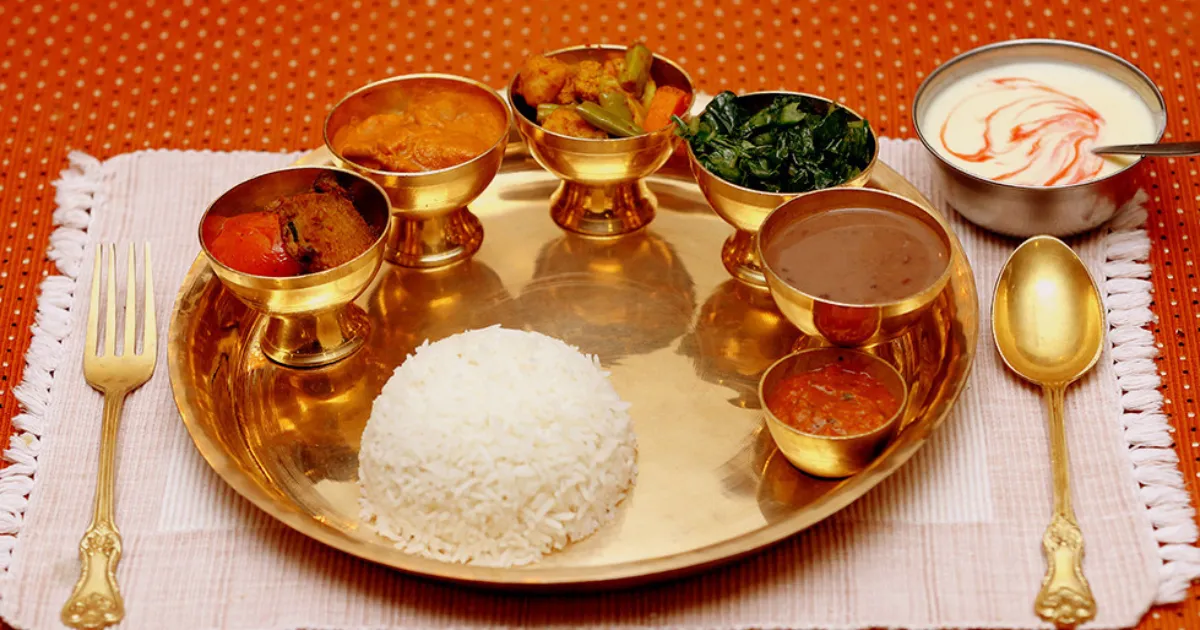
Variety and the "Meat Rule"
Most teahouses have a standard menu that includes fried noodles, garlic soup (which helps with altitude), boiled potatoes, eggs, and even pancakes or pasta. However, as you climb higher and the villages get smaller, the menus get shorter.
A pro tip for solo travellers is to stay vegetarian once you pass 3,000 meters. There are no refrigerators in the high mountains. Any meat you see was likely carried up in a basket by a porter for several days in the sun. Stick to the veg and eggs to avoid an upset stomach.
Hydration and Clean Water
Staying hydrated is the secret to avoiding altitude sickness. You should aim to drink four to five litres of water a day.
- No Plastic: Most regions now ban plastic water bottles to protect the environment.
- Treat Your Own: You can buy boiled water from the teahouse, but it gets expensive. Most smart trekkers bring a reusable bottle and use purification tablets or a Steripen to clean the local tap water.
Power and Connectivity
In the mountains, electricity is a precious resource. Most teahouses run on solar power, which means they prioritise cooking and lighting over your phone battery.
- Charging Fees: Expect to pay a few dollars to charge your phone or power bank. This fee goes up as you get higher.
- Internet: You can buy WiFi cards like Everest Link in some areas, but don't expect to stream movies. It is fine for sending a text to your family, but the wind or snow can knock the signal out for days.
Fact vs. Fear: Which is true?
When you're preparing for your first trek, it’s easy to get overwhelmed by the horror stories or the glowing reviews you see online. Most people arrive with a mix of excitement and anxiety about what life is really like on the ground.
Let’s clear up the most common myths so you can arrive with realistic expectations.
Myth 1: "Teahouses are dirty"
The Reality: Not true. It is important to remember that these lodges are local homes first and businesses second. Families live here year-round, and they take great pride in their hospitality. While the buildings are made of simple materials like stone, wood, or plywood, the rooms and dining areas are kept remarkably tidy. You aren't staying in a sterile hotel, but you are staying in a clean, cared-for environment.
Myth 2: "I can just use my credit card"
The Reality: This is a big mistake. Unless you have booked a pre-paid package with a company like Hiking Nepal, you need to carry plenty of physical cash. There are no ATMs on the mountain trails. You will need Nepalese Rupees to pay for every meal, every hot shower, and every phone charge. Even if a lodge says they take cards, the machine will almost certainly be "down" because of the spotty internet. Always carry more cash than you think you need.
Myth 3: "I’ll be able to work or stream videos on the WiFi"
The Reality: Don't count on it. While many lodges offer "high-speed" internet cards like Everest Link, the reality is very different. The signal has to travel over massive peaks and through unpredictable weather. It might work for a quick WhatsApp message to your family, but it often fails for days at a time. Instead of staring at your screen, use the evenings to talk to your fellow trekkers or play a game of cards with the locals.
Myth 4: "Staying in a teahouse makes you sick"
The Reality: This is a common fear for first-timers. Altitude sickness is caused by climbing too high too fast, not by where you sleep. Teahouses are actually your best tool for staying healthy. They provide a warm place to rest and a kitchen that can whip up garlic soup, which is a local remedy for the thin air. As long as you drink plenty of water and follow a slow pace, the teahouse is your safest sanctuary.
The Unwritten Rules of Etiquette in Teahouses
To have the best experience in the mountains, it helps to understand the local customs. Nepalese culture is very welcoming, but there are a few unwritten rules that keep the trails running smoothly. Following these simple steps will make you a favourite guest at any lodge.
The Food and Room Connection
This is the most important rule of the trail. In Nepal, teahouse owners charge very little for a bed because they expect to make their living by serving you dinner and breakfast.
If you choose to sleep in a lodge but eat your meals somewhere else, it is considered very disrespectful. In fact, if you don't eat where you sleep, the owner will often triple the price of your room to make up for the loss. To keep things fair and simple, always plan to have your evening meal and your morning coffee at your home for the night.
Respect the Heart of the Home
The central stove, known as the chulo, is the most important part of the teahouse. It provides the only heat in the building and is used for both cooking and warmth.
- Don't Crowd the Heat: Everyone is cold after a long walk. Be mindful of others and share the space around the fire so everyone can get warm.
- Keep it Clean: Never throw your trash into the stove. Many of these fires are fueled by wood or dried yak dung, and burning plastic or paper creates toxic fumes in the small dining halls.
- No Shoes on the Hearth: In many lodges, it is polite to remove your boots before stepping onto the raised platform where the stove sits.
The Pace of the Mountains
One of the biggest mistakes new trekkers make is treating the hike like a race. The teahouses are built at specific intervals for a reason. They are spaced out to make sure you do not gain too much altitude in a single day.
If you arrive at your destination early, resist the urge to keep pushing to the next village. Taking it slow gives your body time to adjust to the thin air. If you start to feel a headache or dizziness, the best thing you can do is stay put at your current teahouse for an extra night. There is no prize for finishing first, but there is a huge reward for finishing healthy.
Top 7 Frequently Asked Questions
- Are teahouses safe to stay in?
Yes. They are family-run and used by thousands of trekkers every year.
- Do I need to book teahouses in advance?
In peak season, guides usually book ahead. In off season, walk-in stays are common.
- Is it cold inside teahouses at night?
Yes. Sleeping rooms are unheated. A good sleeping bag is essential.
- Can I charge my phone every night?
Usually yes, but it may cost extra and power can be limited.
- Is vegetarian food always available?
Yes. Vegetarian meals are the safest and most consistent option.
- Are teahouses available on all treks?
Most popular treks have teahouses. Remote routes may still require camping.
- Can solo trekkers stay comfortably in teahouses?
Yes. Teahouses are social spaces and often feel welcoming for solo travellers.
Trekking in Nepal is more than just a list of peaks and altitudes. It is a journey into a way of life that has remained unchanged for centuries. Whether you are a solo woman looking for a safe adventure or a first-time trekker nervous about your fitness, the Himalayas offer a path for everyone. The beauty of this country lies in its balance. You can find total solitude on the trail but still enjoy a warm meal and a friendly conversation at a teahouse by the end of the day.
Choosing to trek independently or with a company like Hiking Nepal, which is about finding your own rhythm. You do not need to be a world-class athlete to experience the magic of the mountains. You simply need the right preparation, a respectful mindset, and the willingness to take that first step. From the desert landscapes of Mustang to the lush forests near Pokhara, the trails are ready to welcome you.
The mountains have a way of putting life into perspective. As you walk through these beautiful landscapes, you will likely find that the challenges of the trail make the rewards even sweeter. You will return home with more than just photos. You will carry the confidence that comes from navigating a new culture and the peace that only the high Himalayas can provide. Let our team at Hiking Nepal guide you. Reach out to us at +977 9802342080 if you want photos of teahouses on the trails of your upcoming treks.