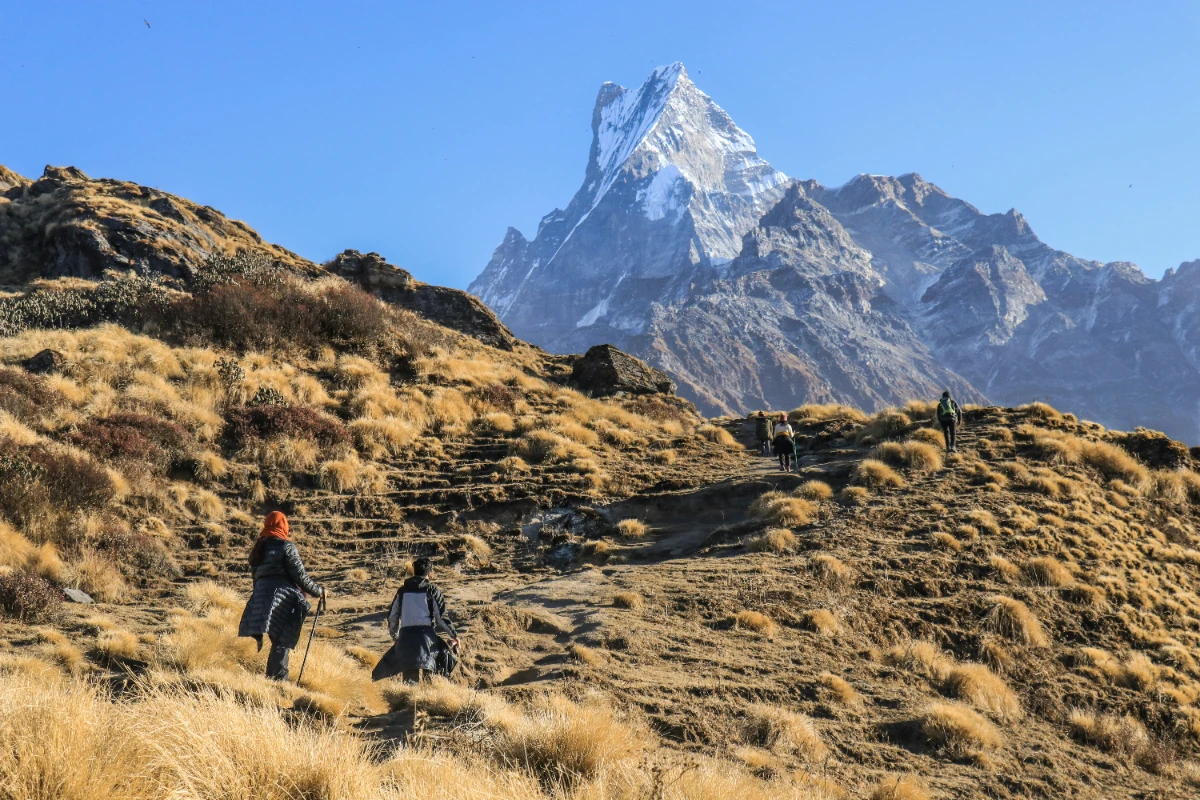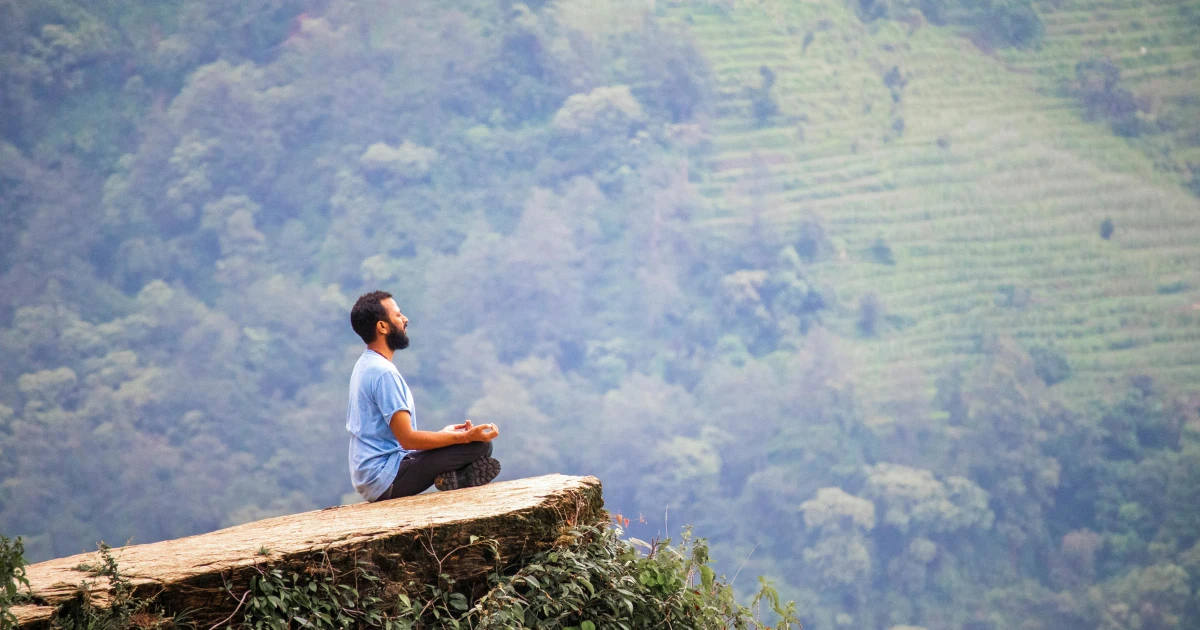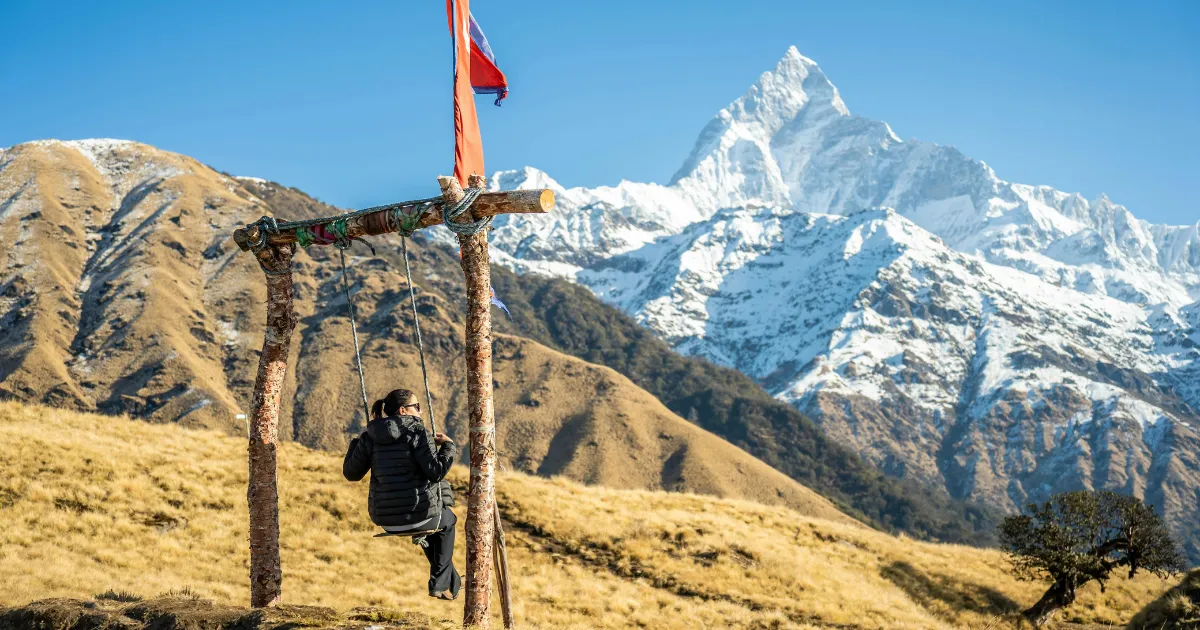
Solo female travel has grown from a small niche into a major part of global tourism. Over the past decade, research from major travel platforms has shown that women now make up more than half of all solo travellers worldwide. This shift became even stronger after global travel reopened, especially across Asia. Countries such as Nepal, Sri Lanka, Vietnam, and Japan have seen a steady rise in women travelling alone.
What has changed is not only confidence. Access to information has reshaped how women travel. Today, solo women research deeply, plan carefully, and choose destinations that offer a balance of adventure, culture, affordability, and personal safety. Nepal fits naturally into this pattern.
Nepal offers something that is becoming rare. It allows women to travel independently without feeling isolated. You can walk alone through historic streets, join group treks when you want company, hire trusted local guides, or sit quietly in a teahouse without feeling watched or rushed. The country does not demand constant alertness. Instead, it encourages awareness, respect, and curiosity.
For solo women, Nepal is not about comfort or luxury. It is about clarity. The landscapes are open and honest. People are direct and grounded. Daily life moves at a slower pace. This creates space for solo travel to feel steady and reassuring rather than overwhelming.
At Hiking Nepal, we have worked with solo female travellers from Europe, North America, Australia, and Asia for more than a decade. Many arrive feeling unsure. Most leave with confidence. Almost all leave changes in ways they did not expect.
This guide is written to help women understand Nepal honestly, without exaggeration or romance. It is based on real travel patterns, real concerns, and real experiences shared by women who have travelled alone across the country.
Why Nepal Is a Great Destination for Solo Female Travellers
Nepal stands out because it combines adventure and simplicity. You do not need expensive gear, strict itineraries, or luxury services to move comfortably here. Public transport is basic but functional. Accommodation ranges from simple guesthouses to boutique hotels. Food is affordable and familiar.
More importantly, Nepalese society is conservative but respectful. Solo women are not unusual here, especially in trekking regions and major cities. While curiosity exists, harassment is relatively low compared to many other destinations at similar price levels.
English is widely spoken in tourism areas. This reduces stress for first-time solo travellers. Locals are used to helping visitors with directions, transport, and logistics without expecting something in return.
Nepal is also a destination where solo travel does not feel lonely. Teahouses, trekking lodges, cafes, and hostels naturally create conversations. Even when trekking alone with a guide, you meet other travellers daily on the trail.
For women seeking independence without isolation, Nepal offers balance.
What to Do in Nepal as a Solo Traveller
Nepal allows solo travellers to design days that match their comfort level. You can stay busy or slow down completely.
In Kathmandu, solo women often enjoy walking through heritage areas like Patan and Bhaktapur, visiting monasteries, joining cooking classes, or working from cafes in Thamel and Boudha.
Pokhara offers a different pace. It is relaxed, scenic, and social. Many solo women base themselves here for weeks. Yoga, lakeside walks, short hikes, and adventure activities like paragliding are easy to join without pre-booking.
Beyond cities, trekking becomes the main reason many women come to Nepal. Trekking does not mean extreme mountaineering. Nepal has routes suitable for first-time trekkers, slow walkers, and those who want cultural immersion rather than physical challenge.
Volunteering, meditation retreats, and photography trips are also popular among solo female travellers who want purpose-driven travel.
Trekking Destinations for Solo Women With a Guide
Top 5 Routes Recommended by Hiking Nepal
At Hiking Nepal, we work closely with solo female trekkers every season. Over the years, we have seen which routes consistently feel safe, balanced, and rewarding for women travelling alone. These treks offer reliable trails, supportive local communities, and landscapes that inspire without overwhelming. When paired with one of our experienced guides, they allow solo women to focus on the journey rather than logistics or uncertainty.
Annapurna Base Camp Trek
Annapurna Base Camp remains one of the strongest choices for solo women trekking with a guide. The trail is well established and passes through lively villages, dense forests, and open alpine terrain. Teahouses are frequent and usually run by local families, which creates a warm and social environment along the route.
From our experience, this trek works well because it never feels isolated. There are always other trekkers around, clear paths to follow, and dependable places to rest each night. Our guides play an important role in managing pace, monitoring altitude, and sharing local knowledge that brings the landscape to life. For solo women, this trek builds confidence steadily without pressure or risk.
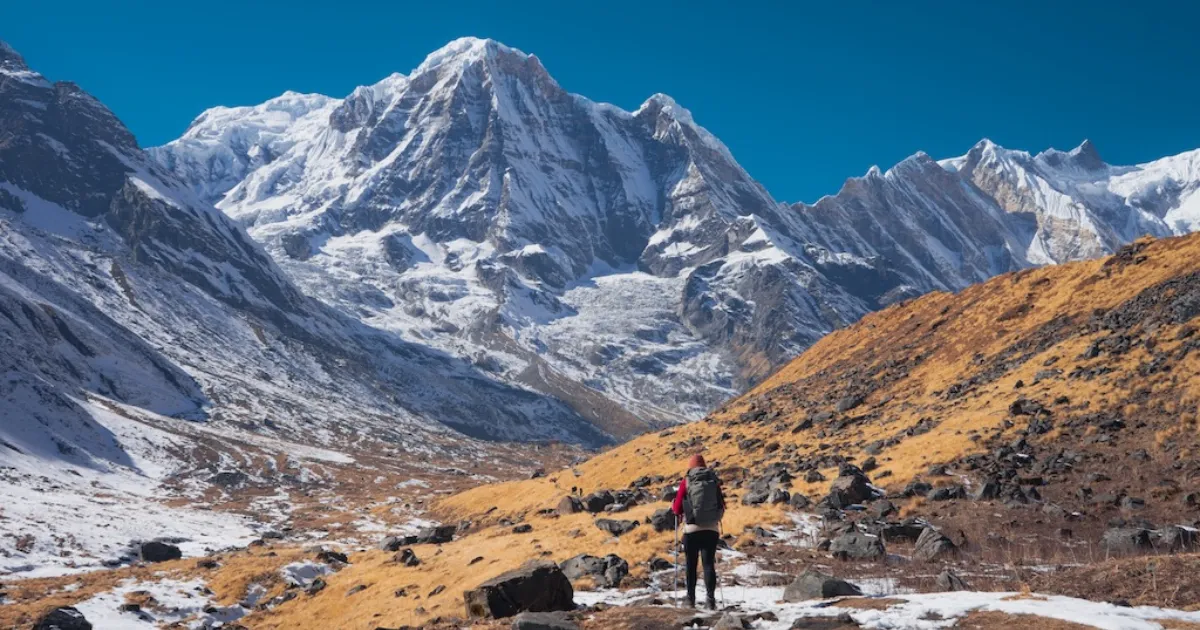
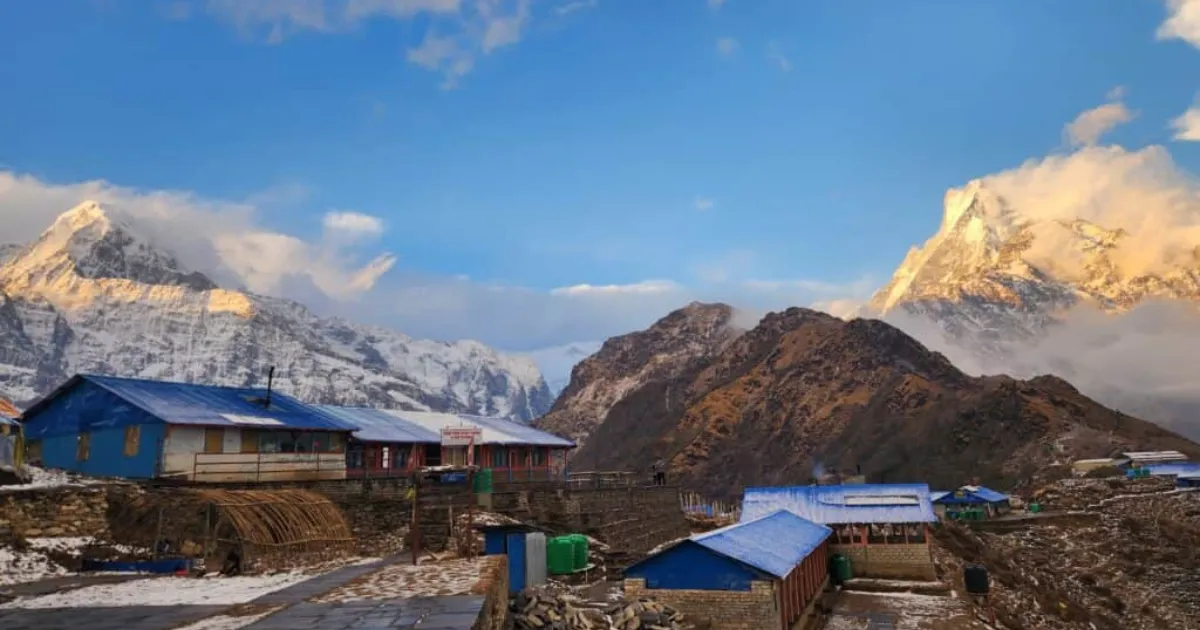
Mardi Himal Trek
Mardi Himal is often chosen by solo women who want quieter trails but still value structure and safety. The trek branches away from the busier Annapurna routes and climbs along forest ridges toward dramatic mountain views. While it is less crowded, it is not remote in a worrying way.
The trail is clear, and teahouses are available throughout the route, though they are simpler in higher sections. We recommend a guide here mainly for weather awareness and navigation, especially during early spring or late autumn. For women who want solitude without feeling exposed, Mardi Himal offers a good balance.
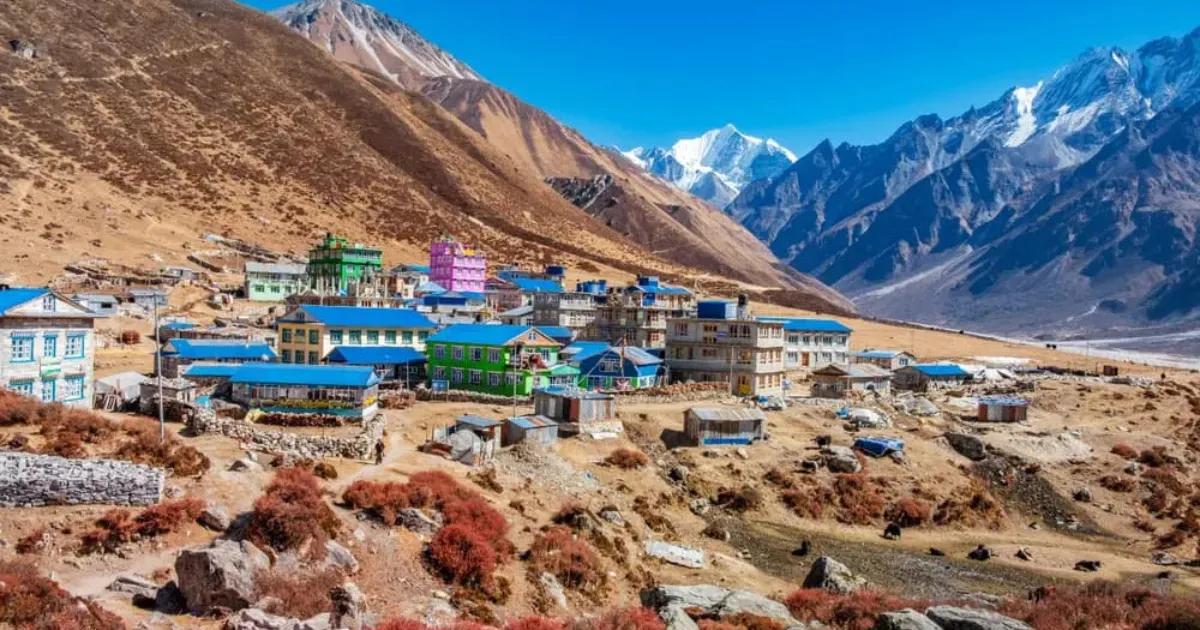
Langtang Valley Trek
Langtang Valley is one of the most approachable Himalayan treks for solo women. Its proximity to Kathmandu makes logistics simple, and the trek itself feels personal and grounded. Villages along the route are welcoming, and many trekkers form easy connections with locals and fellow walkers.
Many women choose Langtang as their first trekking experience because it is shorter and easier to manage while still offering powerful mountain scenery. With a guide from Hiking Nepal, the trek becomes more than a walk through landscapes. Cultural stories, local history, and daily life in the valley add depth to the experience and help solo travellers feel supported throughout.
Ghorepani Poon Hill Trek
Ghorepani Poon Hill is one of the safest and most beginner friendly treks in Nepal. It is short, well supported, and has very little altitude risk. The trail is busy in a positive way, with friendly teahouses, clear signposts, and plenty of fellow trekkers.
We often recommend this trek to women who are new to solo travel or who want a gentle introduction to trekking in Nepal. With a guide, the experience becomes relaxed and social. It allows solo women to enjoy walking, scenery, and sunrise views without worrying about distance or physical strain.
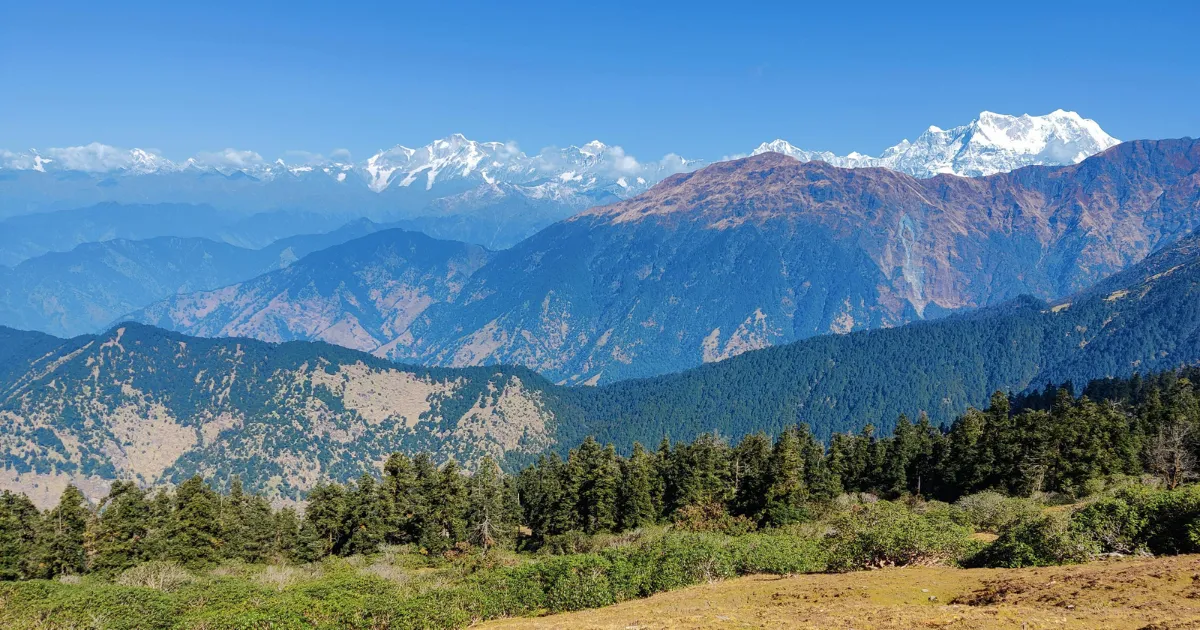
Sikles Kapuche Kori Trek
For solo women looking for something less commercial, Sikles Kapuche Kori offers a deeper and more authentic experience when done with a guide. The route passes through lived-in villages and quiet forest trails before opening to high mountain landscapes. The trek feels real and rooted in local life rather than built for mass tourism.
Because parts of the trail are still developing, we strongly recommend this route only with a guide. Our guides help with navigation, communication, and local coordination, which makes the experience comfortable and safe. This trek suits women who already have some travel experience and want connection, culture, and space rather than popularity.
Trekking Destinations for Solo Women Without a Guide
Independent trekking as a solo woman is an empowering way to experience the Himalayas at your own pace. While Nepal recently introduced regulations regarding mandatory guides in certain National Parks, several regions remain accessible for experienced, independent trekkers.
Here is a detailed breakdown of five routes known for their clear trails, reliable infrastructure, and welcoming local communities.
1. Ghorepani Poon Hill Trek (Annapurna Region)
Often called the "Photographer’s Paradise," this is perhaps the most famous short trek in Nepal. It offers a classic teahouse experience with a very low risk of getting lost.
- Duration: 4–5 days.
- Difficulty: Moderate (significant stair climbing).
- Maximum Elevation: 3,210 meters.
- Why it’s great for solo women: The trail is a "highway" of trekkers and locals. You are never truly alone, and the teahouses are high-quality, often featuring hot showers and extensive menus. The path is well-marked with red and white signs.
- Highlight: Standing on Poon Hill at dawn to watch the sunrise hit Dhaulagiri and Annapurna South.
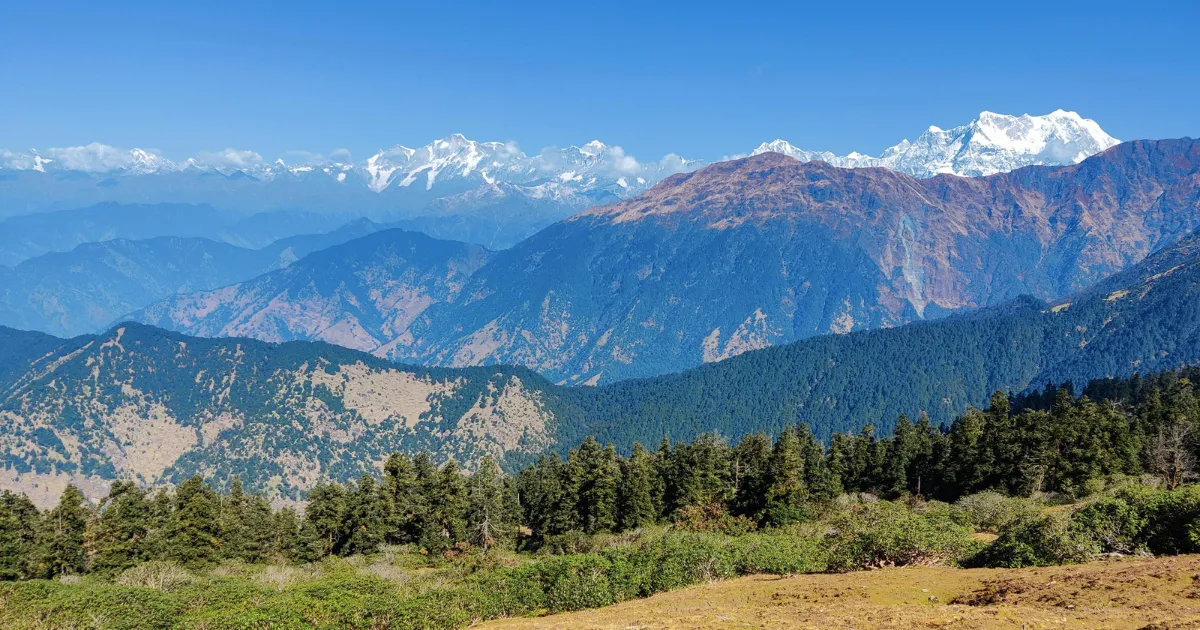
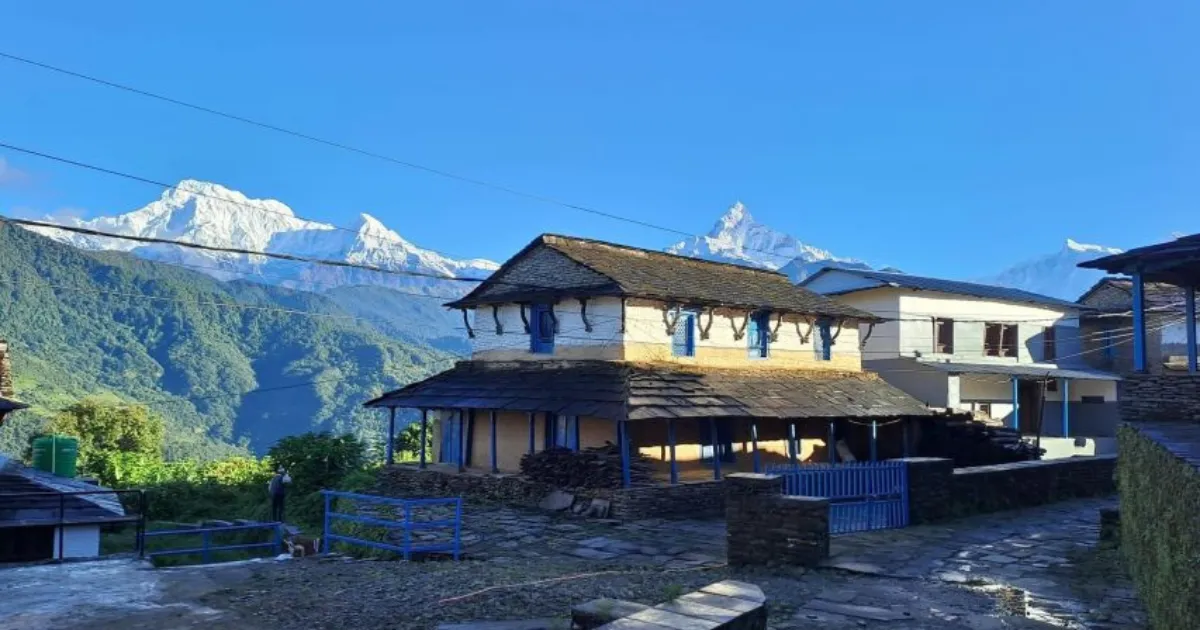
2. Dhampus and Australian Camp
If you are looking for a shorter commitment or are testing your solo trekking legs for the first time, this loop near Pokhara is the perfect introduction.
- Duration: 1–2 days.
- Difficulty: Easy.
- Maximum Elevation: Approx. 2,060 meters.
- Why it’s great for solo women: It is extremely close to Pokhara, meaning help or transport is always nearby. The terrain is gentle, and the lodges at Australian Camp are quite comfortable, offering a "boutique" trekking feel.
- Highlight: Waking up to a panoramic view of Machhapuchhre (Fishtail Mountain) without the grueling multi-day ascent.
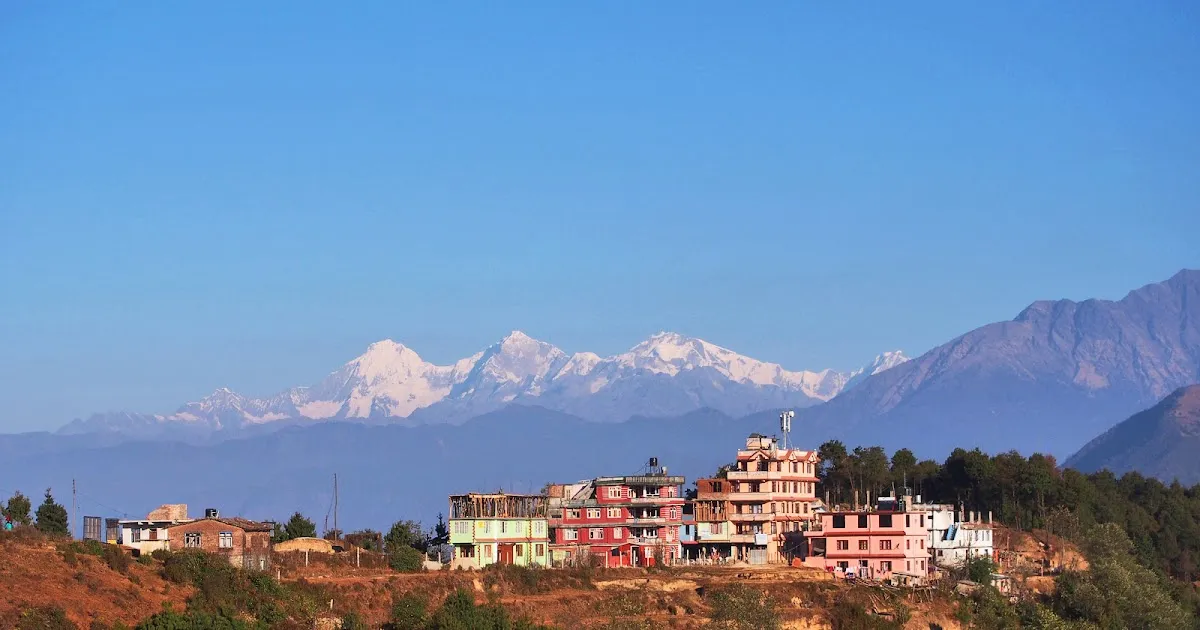
3. Nagarkot to Chisapani (Kathmandu Valley)
Perfect for those who want to escape the hustle of Kathmandu without catching a flight or a long bus ride. This route skirts the rim of the Kathmandu Valley.
- Duration: 2–3 days.
- Difficulty: Easy to Moderate.
- Maximum Elevation: 2,195 meters.
- Why it’s great for solo women: Cell service is generally strong throughout the hike. It passes through Shivapuri Nagarjun National Park, which is well-patrolled. It’s a great way to see rural village life and terraced farming just a stone's throw from the capital.
- Highlight: The "Himalayan Row" view from Nagarkot, where you can see Everest on a very clear day.
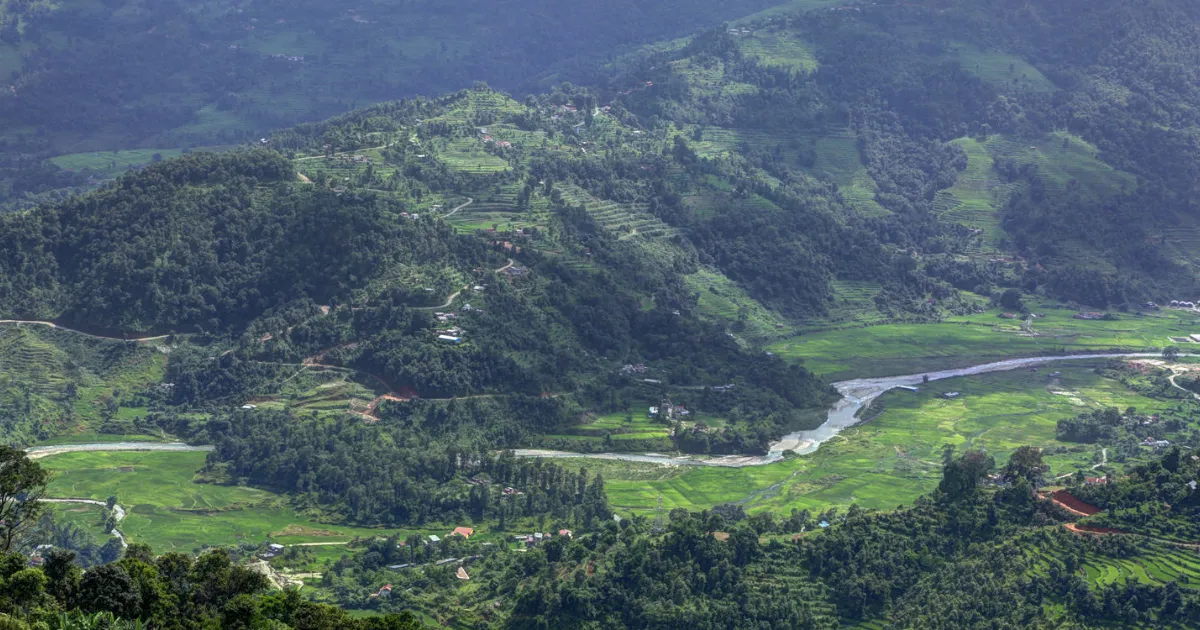
4. Panchase Trek
For the solo traveller who wants peace without the high-altitude risks, Panchase is a hidden gem located near Pokhara.
- Duration: 3–4 days.
- Difficulty: Moderate.
- Maximum Elevation: 2,500 meters.
- Why it’s great for solo women: Unlike the busier Everest or Annapurna routes, Panchase offers a more "authentic" and spiritual vibe. The trail passes through Brahmin and Gurung villages, where the hospitality is legendary. It’s less commercialised, yet the paths remain easy to follow.
- Highlight: The sacred lake at the summit and the incredible biodiversity of the surrounding forest.
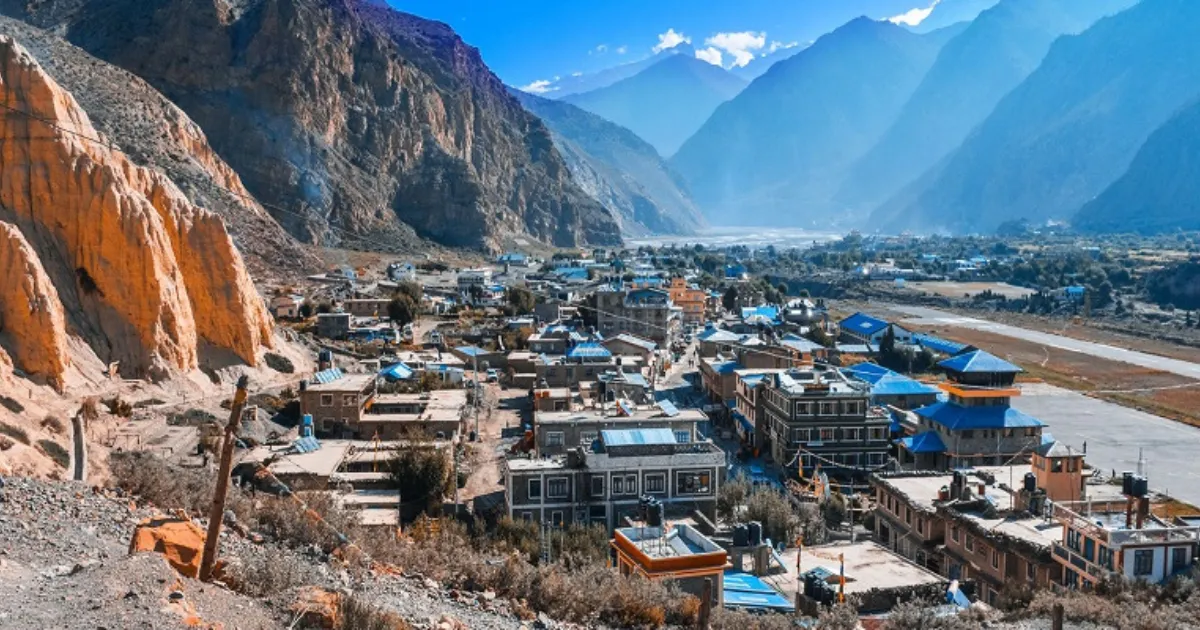
5. Lower Mustang (Jomsom to Kagbeni)
Mustang offers a completely different landscapea high-altitude desert that feels more like Tibet than the lush green tropics of the south.
- Duration: 3–5 days (can be extended).
- Difficulty: Moderate (mostly due to wind and dust).
- Maximum Elevation: 2,800 meters (Kagbeni).
- Why it’s great for solo women: The "Apple Pie Trail" is famous for its hospitality. The terrain is wide and open, offering great visibility. Because it follows the Kali Gandaki riverbed, the navigation is straightforward. Jomsom has an airport and a hospital, providing a safety net.
- Highlight: Exploring the medieval, wind-swept town of Kagbeni and tasting the world-famous Mustang apples.
Essential Safety Tips for Solo Women
- TIMS and Permits: Even if you go unguided, you must carry the necessary permits (TIMS card and National Park entries). Always check the latest TAAN (Trekking Agencies' Association of Nepal) updates regarding "Guide Mandatory" zones, as rules can shift.
- Arrival Times: Always aim to reach your next teahouse by 3:00 PM. This avoids trekking in the dark and ensures you get a room in peak season.
- Stay Connected: Buy a local NTC or Ncell SIM card. While signal drops in deep valleys, it works on most ridges and in villages.
- Trust Your Instincts: Nepalese culture is deeply respectful of guests, but always maintain your boundaries. If a lodge feels uncomfortable, move to the next one, villages usually have several options.
Things to Prepare for as a Solo Traveller to Nepal
Preparation is the bridge between a good trip and a transformative one. For a solo woman traveling to Nepal, planning isn’t about restricting your freedom; it’s about building a safety net that allows you to be fully present in the moment.
1. Cultural Attire & Smart Packing
Nepal is a conservative society where clothing is a primary signal of respect. In rural villages and at religious sites, dressing modestly will often result in warmer interactions and fewer unwanted stares.
- The "Shoulders and Knees" Rule: Always keep your shoulders, chest, and knees covered. Loose-fitting trousers or long skirts are ideal.
- The Versatile Scarf: Carry a lightweight pashmina or sarong in your daypack. It can be used to cover your head when entering a temple, wrap around your waist if your pants are too tight, or shield your face from dust on mountain roads.
- Trekking Layers: While high-tech leggings are standard on the trail, it is respectful to wear a long tunic-style shirt or a "trekking skirt" over them when passing through mountain villages.
- Feminine Hygiene: Tampons are very difficult to find outside of Thamel (Kathmandu) or Lakeside (Pokhara). Many solo travelers in 2026 recommend using a menstrual cup to reduce waste and avoid the stress of finding supplies in remote areas.
2. Health and Medical Readiness
When you are solo, you are your own primary caregiver. A small, well-organized medical kit is your most important piece of gear.
- Trekking-Specific Meds: Include Diamox (for altitude sickness), Ibuprofen, and broad-spectrum antibiotics (after consulting your doctor).
- The "GI" Defense: Pack Oral Rehydration Salts (ORS) and anti-diarrheal medication. Water purification is a must, use a LifeStraw or Grayl bottle to avoid the environmental impact of plastic.
- Blister Care: "Compeed" or moleskin can save a trek. Even broken-in boots can cause trouble on Nepal’s steep, uneven stone stairs.
- Sun Protection: High-altitude sun is incredibly strong. Use SPF 50+ and polarized sunglasses to prevent "snow blindness" if you are near glaciers.
3. Documentation and Digital Safety
Administrative preparation ensures that if something goes wrong, the solution is at your fingertips.
- Mandatory Trekking Insurance: As of 2025/2026, travel insurance is mandatory for obtaining trekking permits. Ensure your policy specifically covers helicopter evacuation and medical care above 5,000 meters (many standard policies cap out at 2,500m).
- The Digital Backup: Upload photos of your passport, visa, insurance policy, and flight tickets to a secure cloud drive. Print two physical sets: one for your bag and one to leave with a contact at home.
- Connectivity: Grab an Ncell or NTC SIM card at the airport. It costs less than $10 and provides 4G/5G signals even in parts of the Everest region, allowing you to share your live location with family.
4. The "Himalayan Mindset"
Nepal operates on its own timeline. Mental flexibility is just as important as physical fitness.
- The Patience Tax: Expect "Nepal Time." A bus scheduled for 7:00 AM might leave at 8:30 AM. Domestic flights to Lukla or Jomsom are frequently canceled due to weather. Build "buffer days" into your itinerary so a single delay doesn't ruin your trip.
- Trust Your Gut: While Nepal is statistically one of the safest countries for women in South Asia, your intuition is your best tool. If a situation or a lodge feels "off," leave. No explanation is needed.
- Embrace the "Namaste": Skip the handshakes. The traditional greeting, palms together with a slight bow, is a beautiful way to show respect and maintain a comfortable physical boundary.
Your Pre-Departure Checklist
- [ ] Check Permit Rules: Verify if your chosen route currently requires a mandatory guide (rules updated in 2026).
- [ ] Emergency Contacts: Save the number for the Nepal Tourist Police (+977 1144).
- [ ] Offline Maps: Download the "Nepal" region on Maps.me or Google Maps.
Tips for Solo Women Travelling in Nepal
Travelling alone as a woman in Nepal is largely comfortable, but a few thoughtful choices can make the journey smoother and more relaxed. These practical points come from how daily life actually feels on the ground rather than from strict rules.
1. Dress With Awareness, Not Anxiety
You do not need to change who you are or dress traditionally, but being mindful of local norms helps you blend in more easily. In cities, villages, and on trekking trails, clothing that covers shoulders and knees tends to attract less attention. This is not about limiting yourself. It is about feeling at ease while moving through public spaces where modest dress is common.
2. Trust Your Instincts and Move On When Needed
Nepal feels safe for most solo women, but intuition still matters. If a situation feels awkward or a place makes you uneasy, it is perfectly fine to leave without explanation. You do not need to justify your comfort. Listening to your instincts usually leads to simple solutions, such as changing seats, choosing another café, or adjusting your plans.
3. Be Selective About Where You Stay
Accommodation plays a big role in how secure and settled you feel. Family-run guesthouses, teahouses, and well-reviewed hotels often provide a good mix of safety and human connection. Being in a central, walkable location is usually more important than luxury. Places where staff are visible and helpful create a sense of ease, especially when arriving alone.
4. Stay Connected for Peace of Mind
Buying a local SIM card is easy and inexpensive in Nepal. Having reliable access to calls, maps, and messaging reduces stress and gives you confidence when navigating new places. Even if you rarely use your phone, knowing you can reach someone when needed makes solo travel feel lighter and more manageable.
5. Welcome Kindness While Keeping Clear Boundaries
Nepalese hospitality is sincere and often offered without expectation. People may guide you, help you find transport, or simply check if you are comfortable. Accepting help can be part of the experience, but it is equally okay to say no. A calm and direct response is usually respected, and clear boundaries are rarely questioned.
Is Nepal a Good Destination for First-Time Solo Female Travellers?
Yes, Nepal is one of the best places in Asia for women travelling alone for the first time, especially those interested in nature, culture, and slow travel.
Nepal has a way of easing you into independence. The country does not feel rushed or aggressive. People take time to explain, help, and guide, even when there is a language gap. Small mistakes, such as getting on the wrong bus or misunderstanding directions, rarely turn into serious problems. Locals are patient, and fellow travellers often step in to help without being asked.
For first-time solo female travellers, Nepal offers a rare balance. It gives enough structure through established travel routes, trekking trails, and guesthouse networks, while still allowing freedom to explore independently. You learn to trust yourself gradually. Confidence builds naturally as you move between cities, villages, and mountain paths. Rather than feeling overwhelmed, most women find that Nepal supports personal growth in a calm and grounded way.
The trekking culture also adds a strong sense of security. Teahouses, guides, porters, and local communities are deeply familiar with solo travellers, including women. This shared understanding makes Nepal feel welcoming rather than intimidating.
Frequently Asked Questions for Solo Female Travellers in Nepal
1. Is Nepal safe for solo female travellers?
Nepal is widely considered one of the safer countries in South Asia for women travelling alone. Violent crime against tourists is rare, and trekking regions in particular feel secure due to close-knit communities and regular traveller movement. As with any destination, basic awareness is important, but most women report feeling comfortable and respected throughout their journey.
2. Do I need a guide as a woman trekking alone?
A guide is not mandatory for all treks, but many solo female travellers choose to hire one. Having a guide adds an extra layer of safety, helps with navigation, and offers cultural insight that you may miss when walking alone. For remote or high-altitude treks, a guide is strongly recommended, especially if it is your first trekking experience in Nepal.
3. What is the best time to visit Nepal as a solo traveller?
The most popular and comfortable seasons are spring from March to May and autumn from September to November. During these months, the weather is stable, visibility is clear, and trekking trails are active but not overcrowded. These seasons are ideal for solo women because teahouses remain open and routes feel lively without being overwhelming.
4. Is public transport safe for women in Nepal?
Public transport in Nepal is generally safe, but comfort levels vary. Local buses can be crowded and slow, which some solo travellers may find challenging. Tourist buses, shared jeeps, and private vehicles offer a more relaxed experience and are often preferred by women travelling alone, especially for longer distances.
5. Can I trek in Nepal without prior trekking experience?
Yes, Nepal offers many beginner-friendly treks that do not require previous experience. Routes such as Ghorepani Poon Hill, Mardi Himal, and parts of the Annapurna region are suitable for first-time trekkers when taken at a steady pace. Proper preparation, realistic expectations, and good guidance make these treks accessible for most people.
6. How expensive is Nepal for solo female travel?
Nepal is one of the more affordable adventure travel destinations. Accommodation, food, transportation, and guiding services are reasonably priced compared to many other countries. Solo travellers can manage their budgets easily by choosing teahouses, local meals, and shared transport, while still enjoying a comfortable experience.
7. Will I feel lonely travelling alone in Nepal?
Most solo female travellers find Nepal surprisingly social. Trekking trails, guesthouses, cafés, and tours naturally bring people together. Conversations often start easily, whether with fellow travellers or locals. Many women report feeling connected rather than isolated, even when travelling on their own.
8. Is WiFi available during treks?
WiFi is available in many teahouses along popular trekking routes, but the connection can be slow or unreliable. It is best to treat internet access as a bonus rather than a guarantee. In more remote areas, mobile data may not work at all, which many travellers find refreshing rather than inconvenient.
9. Are Nepalese people respectful towards women?
Nepalese culture places a strong emphasis on respect, especially towards guests. Women travellers are generally treated politely, particularly in rural and trekking regions. Dressing modestly and observing local customs helps maintain positive interactions, but most women experience kindness and genuine hospitality throughout their trip.
10. Can I extend my stay in Nepal easily?
Yes, extending your stay in Nepal is usually straightforward. Tourist visas can be extended at immigration offices in Kathmandu and Pokhara. Many travellers arrive with short plans and decide to stay longer once they settle into the rhythm of the country.
Why do Solo Women Continue to Choose Nepal?
1. The "Atithi Devo Bhava" Philosophy
In Nepal, the ancient Sanskrit verse Atithi Devo Bhava (The Guest is God) is not just a slogan; it is a cultural pillar.
- Protective Hospitality: Solo women often find that the locals, especially mothers and teahouse owners, take on a protective role. It is common for a "Didis" (elder sisters) at a lodge to look out for a solo woman, ensuring she is warm, well-fed, and safe before retiring for the night.
- Low Crime Rates: Statistically, Nepal remains one of the safest countries in South Asia for tourists. Violent crime is extremely rare in trekking regions, where the economy depends heavily on the reputation of the trails.
2. A Socially Connected "Solo" Experience
One of the greatest paradoxes of trekking in Nepal is that you are rarely truly alone.
- The Teahouse Culture: Unlike camping treks in other countries, Nepal’s teahouse system creates a communal atmosphere. Solo travellers naturally gravitate toward the central dining hall heaters in the evenings, making it incredibly easy to find "trail buddies" or share advice with fellow trekkers.
- Built-in Safety Nets: Because the trails are well-travelled, there is a constant flow of porters, guides, and other hikers. If you twist an ankle or feel the effects of altitude, help is usually only a few minutes away.
3. Empowerment through Physical Achievement
For many women, the appeal of Nepal lies in the mental shift that occurs during a trek.
- Self-Reliance: Navigating a trail like the Annapurna Circuit or reaching Everest Base Camp independently builds a level of confidence that transcends the trip itself.
- Women in Tourism: The rise of female trekking guides and women-owned guesthouses has provided solo travellers with relatable role models. Hiring a female guide allows for deeper conversations about Nepalese life and gender, creating a safe space for cultural exchange.
4. Spiritual and Mental Sanctuary
Nepal is often chosen by those seeking a "reset."
- The Pace of Life: The "Himalayan time" forces a slowdown. For women coming from high-pressure careers or busy urban lives, the simplicity of walking, eating, and sleeping, surrounded by prayer flags and Buddhist stupas, offers a meditative quality that is deeply healing.
- Non-Aggressive Environment: Unlike many other popular solo destinations, street harassment and "catcalling" are culturally frowned upon in Nepal. Solo women report feeling a sense of "invisibility" in the best way possible, able to observe the world without being constantly targeted or bothered.
5. Modern Infrastructure for the Independent Era
In 2026, the digital and physical infrastructure will have caught up with the demand.
- Reliable Communication: With 4G/5G available on many ridges and Wi-Fi in almost every teahouse, solo travellers can maintain a "digital tether" to home, sharing their GPS coordinates and updates with family daily.
- Safety Upgrades: Mandatory permits (TIMS) and the 2023/2024 guide regulations in certain parks mean that the government has a record of who is on the trail, providing an extra layer of security in case of emergencies.
Ultimately, women choose Nepal because it is a place where they can be vulnerable yet secure. It is a country that rewards the curious and protects the independent. As many travellers put it: "You go to Nepal for the mountains, but you return for the people."