Sikles Kapuche Kori Trek in November 2025 with Hiking Nepal
I walked the Sikles Kapuche Kori Trek in November 2025 with Hiking Nepal. I travelled solo, with my guide Santosh Wagle and my porter Bijay Thapa Magar. This trek quietly stayed with me. It did not feel rushed. It did not feel crowded. It felt real.
I had trekked in Nepal before, but this route felt different from the start. It sits close to Pokhara, yet it feels far from the usual trails. The villages are inhabited. The forests are thick. The mountains appear suddenly, not slowly. Each day felt balanced between walking, watching, listening, and resting.
Arrival and first impressions
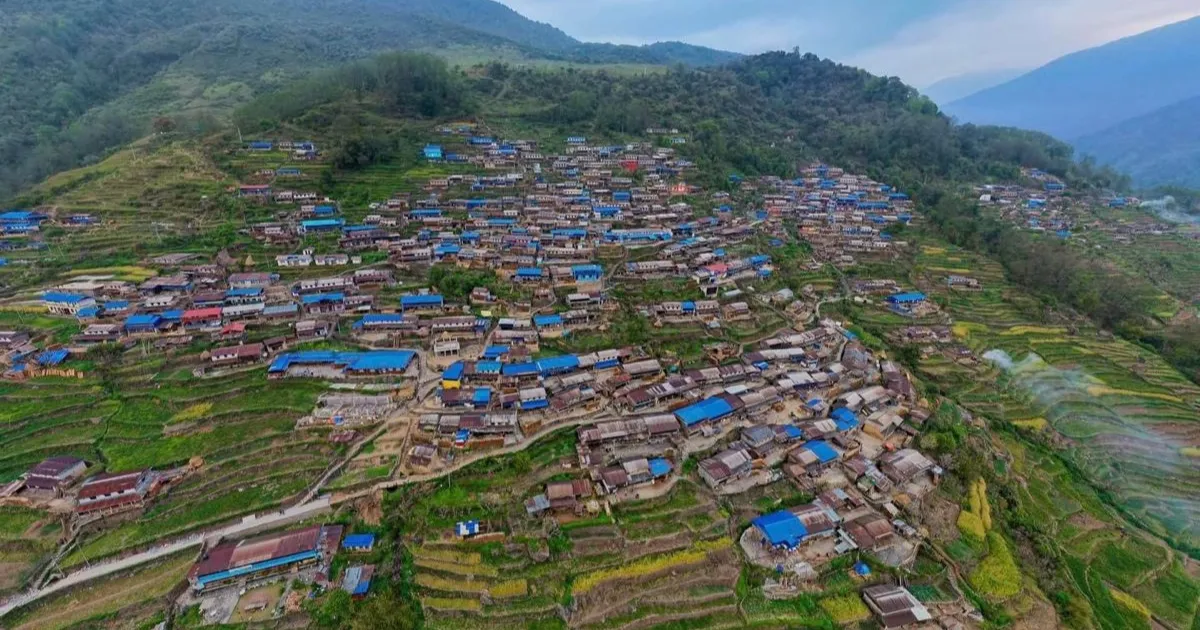
I started the trek from Pokhara. Within a few hours of driving, the city noise disappeared. The road climbed through hills and small settlements until we reached Sikles village. Sikles felt calm and proud. Stone houses lined the slopes. Children played near the paths. Old people sat in the sun. This was not a tourist village pretending to be traditional. This was daily life.
Santosh explained the history of the Gurung community and how Sikles has protected its culture. He never rushed explanations. He spoke when it mattered. Bijay carried the load quietly and always stayed close. I never felt alone, even though I was trekking solo.
Walking through forests and old trails
The trail from Sikles moved into dense forest. The air smelled of leaves and earth. In November, the weather was stable. Days were clear. Nights were cold but comfortable. The forest changed slowly as we gained height. Oak trees turned into rhododendron. Moss-covered rocks. Small streams crossed the path.
We walked at a steady pace. Santosh adjusted the speed to how I felt each day. There was no pressure to push harder. This made the trek feel safe and personal. We stopped often to drink water and look around. Silence felt natural here.
Kapuche Lake experience
Reaching Kapuche Lake was emotional. It is one of the lowest altitude glacial lakes in Nepal, but it feels high and raw. The lake appeared suddenly between steep walls of rock and ice. The water was still and deep blue. Annapurna II and Lamjung Himal rose straight behind it.
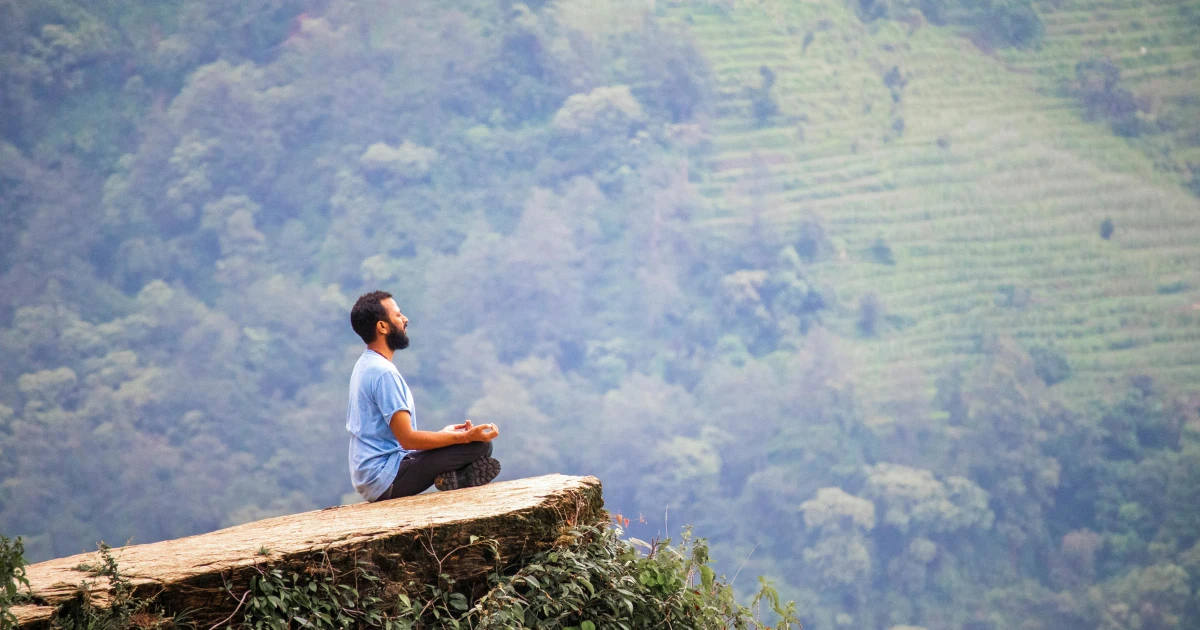
We reached the lake in the morning. There were very few people. No noise. No rush. I sat on a rock and watched the reflection move slowly on the water. Santosh gave me space to take it in. That moment did not need words.
This was not a place for selfies or loud celebration. It felt sacred in a quiet way. Even Bijay sat silently for a while. We stayed longer than planned because no one felt like leaving.
Moving towards Kori
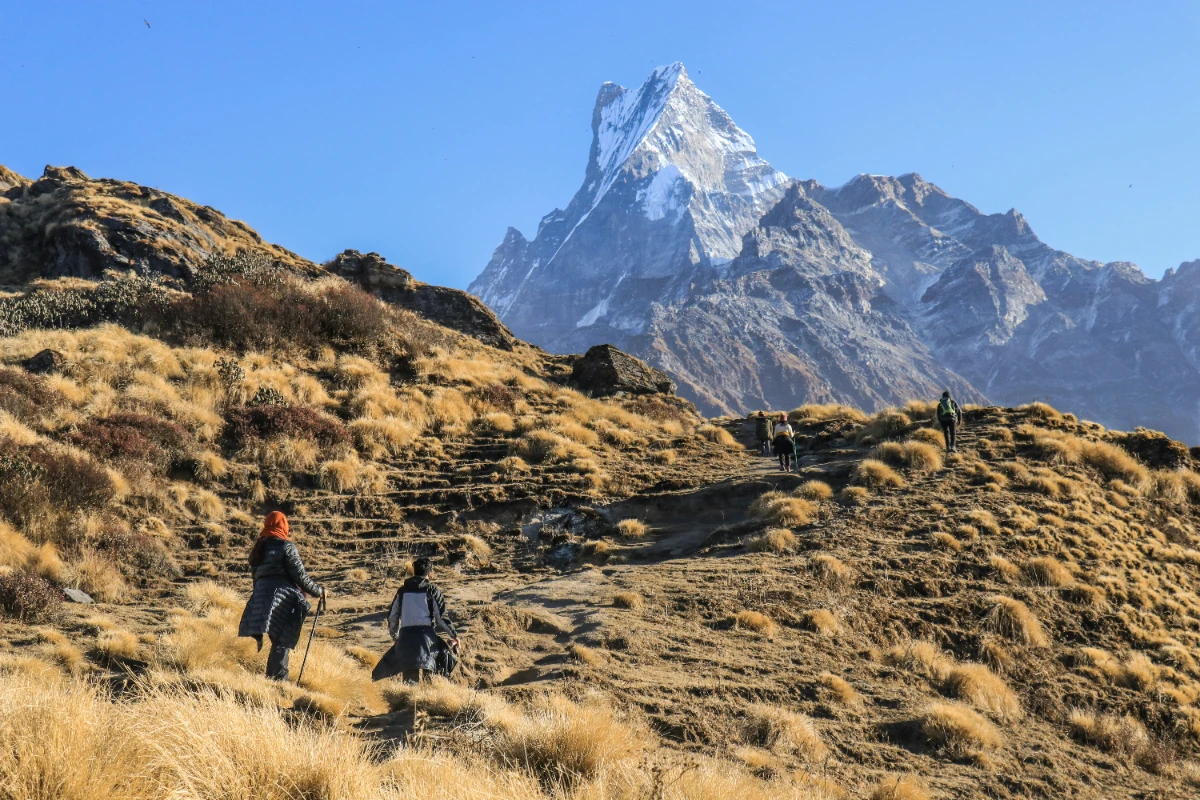
From Kapuche, the trail climbed higher toward Kori. The landscape opened up. Trees thinned. Hills turned into wide alpine ground. The wind grew colder. The sky felt closer.
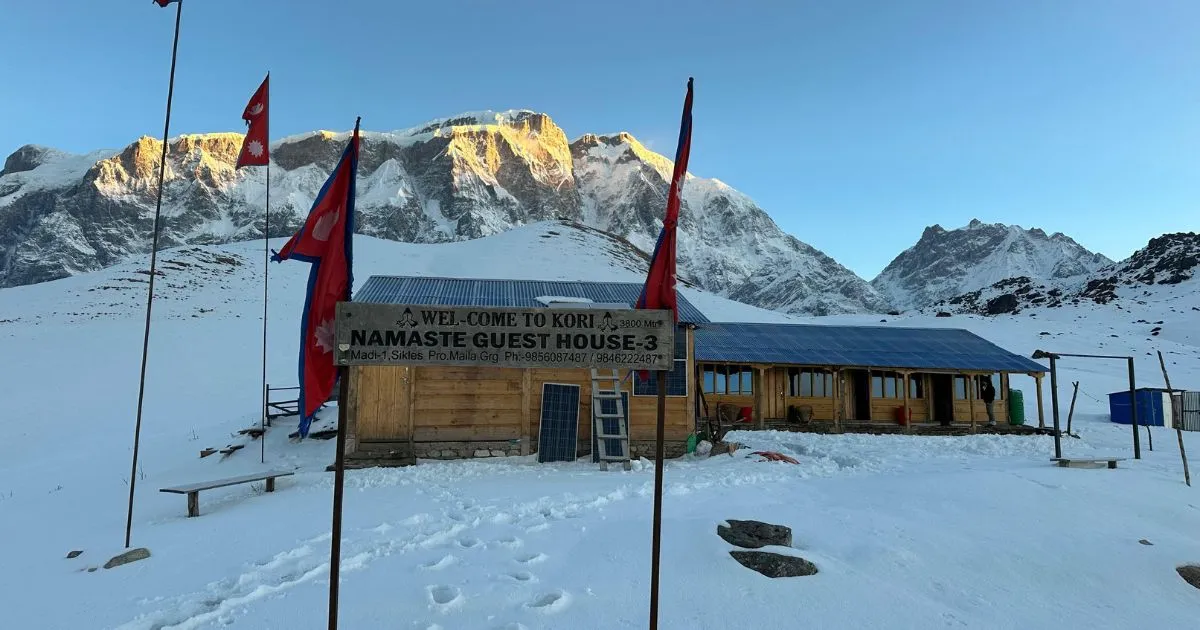
Kori felt remote. It was wide and open, with grazing land and simple lodges. The views from Kori were huge. Annapurna II stood dominant. Lamjung Himal felt close enough to touch. At night, the sky was clear and full of stars. There was no light pollution. No sound except wind and prayer flags.
That night, we shared simple food inside the lodge. Dal bhat tasted better here. Santosh shared stories of other treks. Bijay smiled quietly and added small comments that made us laugh. It felt like a team, not a service.
Why November was perfect
November was an ideal time for this trek. The weather stayed clear. Mornings were cold but dry. The days were sunny and comfortable for walking. There were no leeches. No heavy rain. No snow is blocking the trail.
Because this trek is still less known, even in peak season felt empty. We met very few trekkers. This made every village and viewpoint feel personal. For someone who prefers quiet trails, this mattered a lot.
Solo trekking with a guide and a porter
Trekking solo with a guide and porter was the right choice for this route. The trail is not technical, but it is remote. Having Santosh made navigation easy and safe. He knew the villages, the people, and the pace needed at different sections.
Bijay carried my bag with care and never complained. He checked in often, especially at higher points. Their presence allowed me to focus on the experience instead of logistics. I could walk freely, observe more, and rest when needed.
This setup gave me confidence without taking away independence. I never felt controlled. I felt supported.
Culture and people along the trail
The villages along this trek feel genuine. People greeted us with curiosity, not expectation. Children waved. Elders nodded. Tea was offered without asking for anything in return.
Sikles in particular stood out. The Gurung culture here is strong. Houses are clean and well-kept. Traditions are alive. It felt respectful to walk through, not like an outsider consuming a place.
Santosh helped bridge small interactions. A few words in Nepali changed everything. Smiles became conversations.
Food and accommodation
Accommodation was simple but warm. Lodges were basic but clean. Blankets were enough with a sleeping bag. Meals were traditional. Dal bhat, noodles, potatoes, soup.
Food tasted better after long walks. Portions were generous. Everything felt homemade. There were no fancy menus, but nothing felt missing.
My itinerary for the trek without the Kathmandu part.
Day 01 Arrival in Pokhara and trek preparation
I travelled to Pokhara with the Hiking Nepal team. Before the trek actually started, Santosh went through the route, daily walking hours, weather expectations, and safety points. Permits were already arranged. We checked the gear and finalised packing so nothing unnecessary was carried. The evening was calm and focused on preparation.
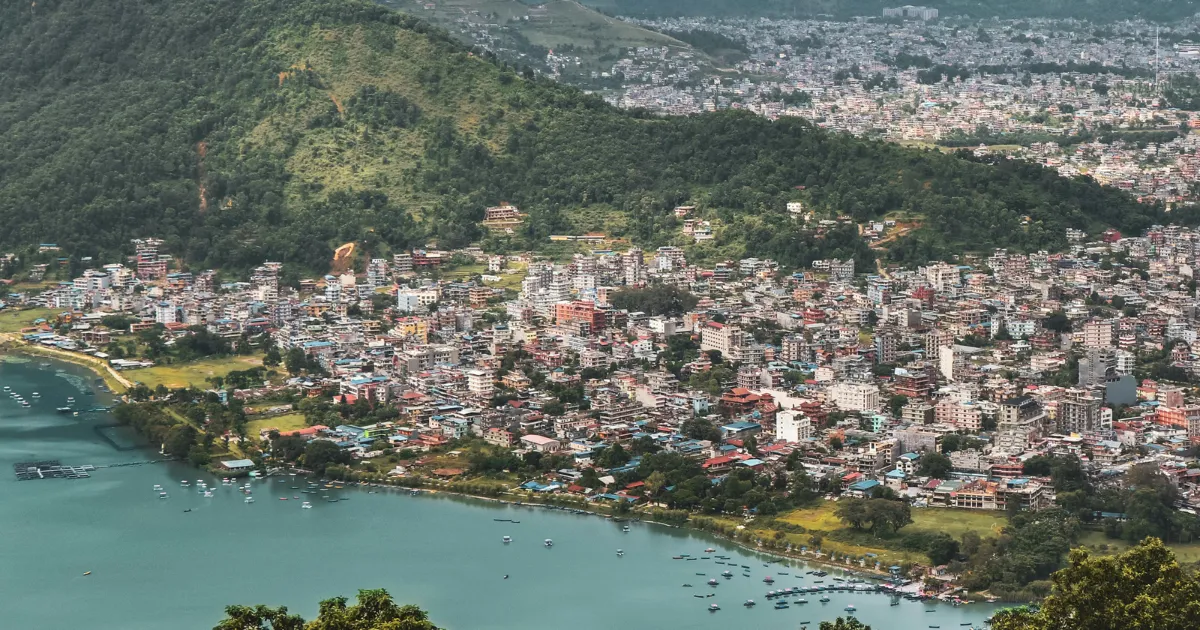
Day 02: Drive to Sikles Village and explore the village
We drove from Pokhara to Sikles, gradually leaving the busy roads behind. The final section of the drive gave wide views of terraced hills and scattered settlements. Sikles itself felt strong in identity. Stone houses, narrow lanes, and open courtyards showed a lived-in village, not a tourist setup. I spent the afternoon walking around the village and adjusting to the pace.
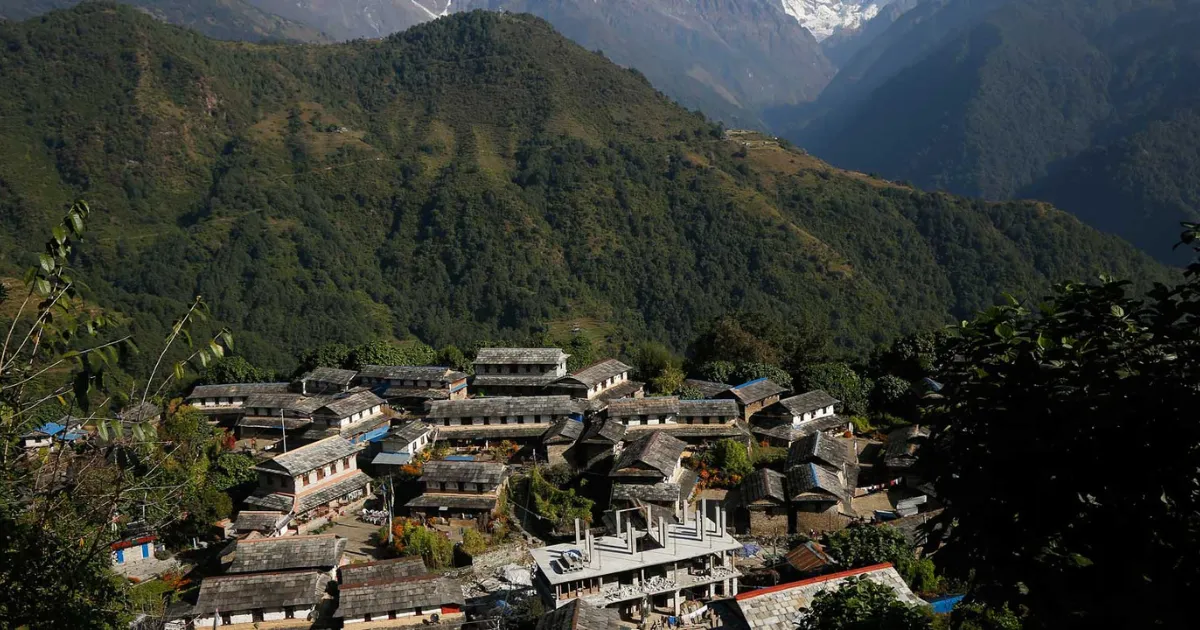
Day 03 Trek from Sikles to Hugu Goth
The trail entered dense forest soon after leaving Sikles. The air felt cool and clean. We walked through oak and rhododendron forest, crossing small streams and quiet resting spots. The pace was steady and unforced. Hugu Goth was simple and peaceful. The surrounding hills closed in gently, making the night feel quiet and protected.
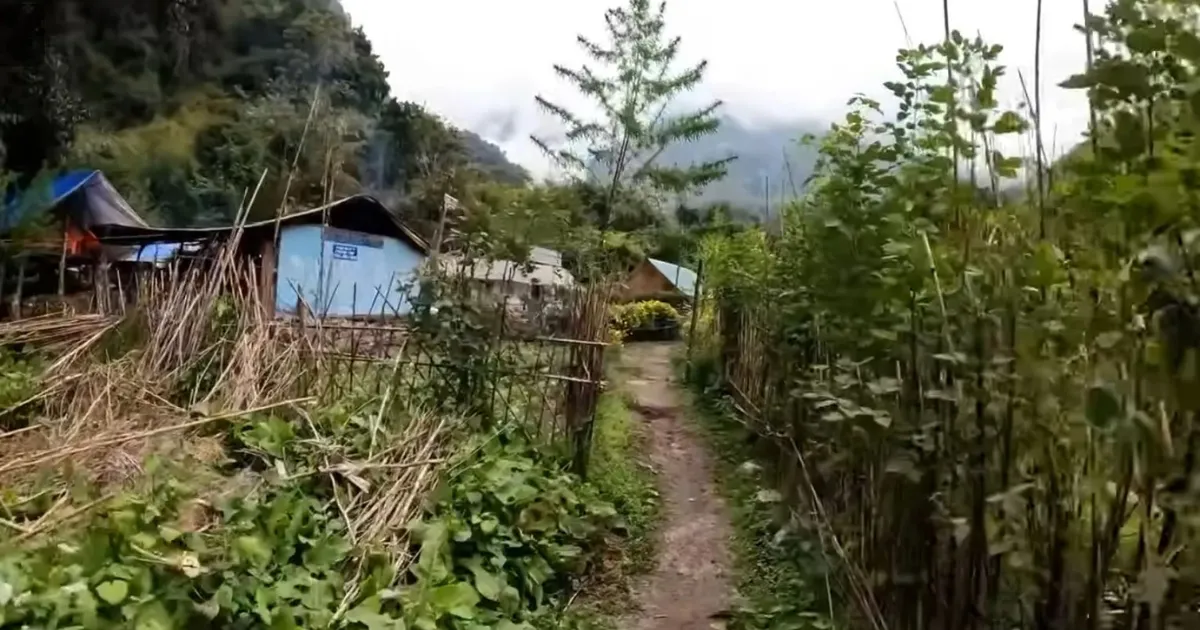
Day 04 Trek from Hugu Goth to Kapuche Lake
This was the most emotional day of the trek. The trail climbed gradually and then opened suddenly to Kapuche Lake. The lake sat still beneath massive rock walls and glaciers. Annapurna II and Lamjung Himal dominated the background. We reached early and stayed long. There was no rush. Just silence, cold air, and reflection. Overnight near Kapuche felt raw and powerful.
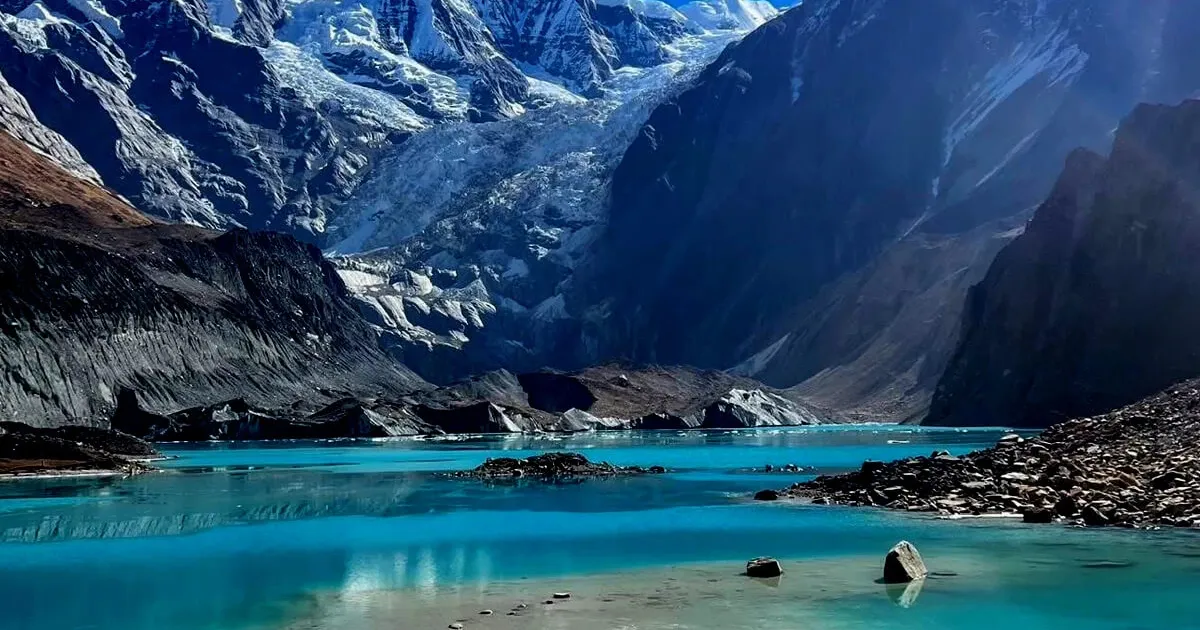
Day 05 Trek from Kapuche Lake to Kori
The trail climbed higher into open alpine land. Trees disappeared and the landscape widened. Kori felt remote and open, with grazing land and long mountain views. Annapurna II felt incredibly close. The night sky was clear and filled with stars. This was one of the most peaceful nights I have experienced on any trek.
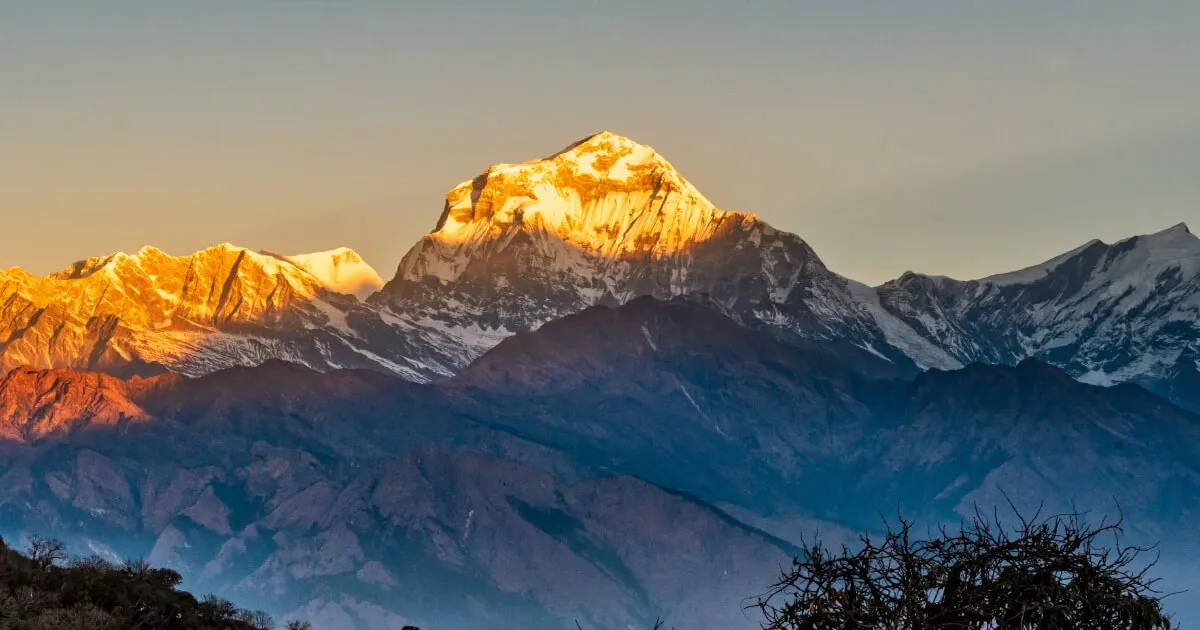
Day 06 Explore Kori and descend to the Sikles area
The morning at Kori was slow and calm. We walked around viewpoints and spent time simply watching the mountains. After lunch, we began descending through open hills and forest trails. The change in landscape was gradual and satisfying. Returning closer to the villages felt grounding after the wide alpine spaces.
Day 07 Trek back to Sikles and drive to Pokhara
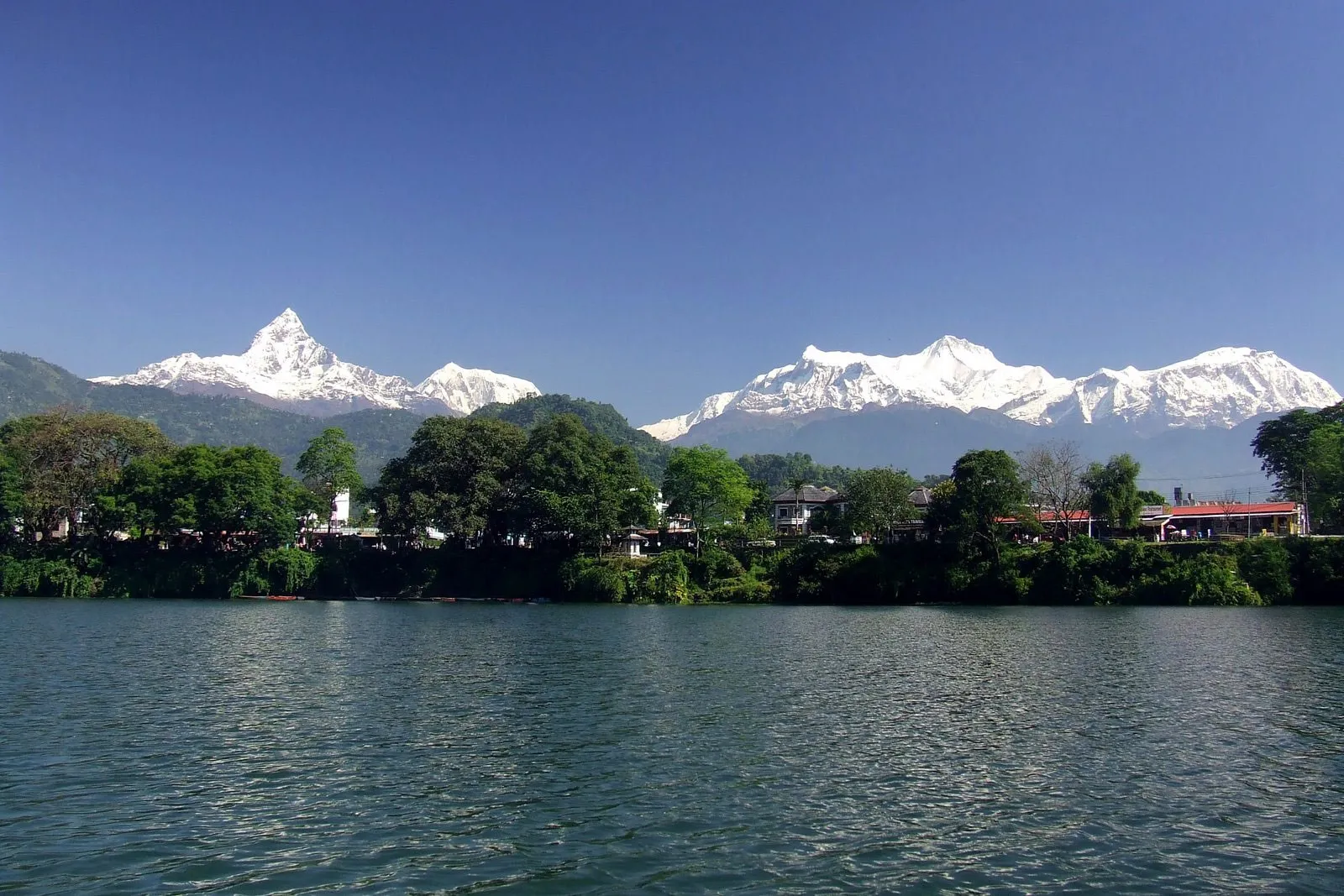
The final walk returned us to Sikles. Familiar paths felt different after the full journey. We drove back to Pokhara in the afternoon. The city felt loud and busy after days of silence. The trek ended quietly, without ceremony, which suited the experience.
Day 07 Drive back from Pokhara to Kathmandu
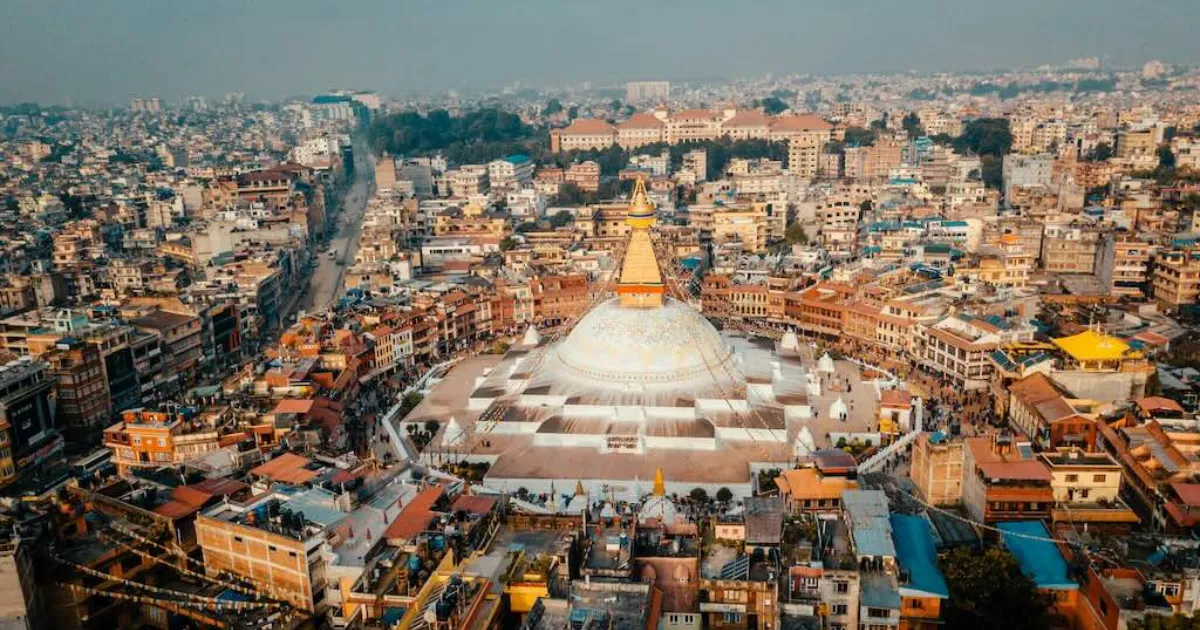
Our trekking team took the jeep from Pokhara to Kathmandu. Santosh and Bijay were lovely company to have for the journey, along with our Driver Amrit, who was a fantastic driver. The roads were undergoing maintenance, but the overall ride was smooth. Once back in Kathmandu, the trek became a beautiful memory that I never wanted to part with.
Top 10 FAQs About the Sikles Kapuche Kori Trek
Is this trek suitable for solo trekkers?
Yes. I did this trek solo with a guide and porter. The route is safe but remote, so having local support makes a big difference. It allows you to relax and focus on the experience.
How difficult is the Sikles Kapuche Kori Trek?
It is moderate. There are steady climbs but no technical sections. Good fitness helps, but no prior high-altitude trekking experience is required.
What is the highest point of the trek?
Kori is the highest overnight point. It sits high enough to feel alpine but not extreme. Proper pacing and hydration are enough.
Is November a good time for this trek?
November was ideal. Clear skies, stable weather, no rain, and very few people on the trail. Cold nights, but manageable with a sleeping bag.
How crowded is this trek compared to the Annapurna or Everest routes
It is very quiet. Even in peak season, we met very few trekkers. This is one of its strongest points.
What kind of accommodation is available?
Accommodation is simple. Basic lodges and teahouses with shared rooms and warm dining areas. Clean and comfortable, but not luxurious.
What food is available on the trek?
Mostly local meals like dal bhat, noodles, soup, potatoes, and tea. Food is filling and fresh. Menus are simple.
Do I need special permits?
Standard trekking permits are required. Hiking Nepal handled all permits in advance.
Is altitude sickness a concern
Altitude is moderate. Walking slowly and staying hydrated was enough. No acclimatisation days were required.
Why choose this trek over more famous routes?
This trek offers silence, culture, and raw scenery without crowds. It feels personal and grounded.
What this trek gave me
This trek did not try to impress me. It did not sell drama or difficulty. It gave space. It gave silence. It gave honest mountain time.
Kapuche Lake taught me to slow down. Kori taught me to sit with vastness. Sikles reminded me that culture matters as much as views.
Hiking Nepal handled everything quietly and smoothly. There were no surprises. No stress. Santosh and Bijay made the trek feel safe, human, and grounded.
Review of Hiking Nepal Based on My Experience
Hiking Nepal handled this trek with quiet professionalism. I had initial talks with Nava who was superb in assisting me with all the details. Nothing felt forced or commercial. Communication was clear before the trek and calm throughout the journey.
Santosh Wagle was an excellent guide. He knew when to explain and when to stay silent. He adjusted the pace naturally and always checked in without being intrusive. His understanding of the landscape and local culture added depth to the walk.
Bijay Thapa Magar carried the load with care and consistency. He was always present, always aware, and always respectful. His calm presence added a sense of safety, especially on longer days.
What stood out most was how human the experience felt. I was not treated like a client being moved along a product. I felt like a traveller being supported through a meaningful journey.
There were no hidden costs, no pressure, no rushed days. Everything felt honest and well-paced. I highly recommend this company for anyone looking to do trekking in Nepal
My Final thoughts about the whole trip
If you are looking for a trek that feels personal, calm, and real, the Sikles Kapuche Kori Trek is worth your time. It suits solo trekkers who want space but still want guidance. It suits people who value villages as much as mountains.
I returned from this trek rested, not exhausted. That says a lot.
This was not just a route on a map. It was a lived experience. And it is one I will carry for a long time.