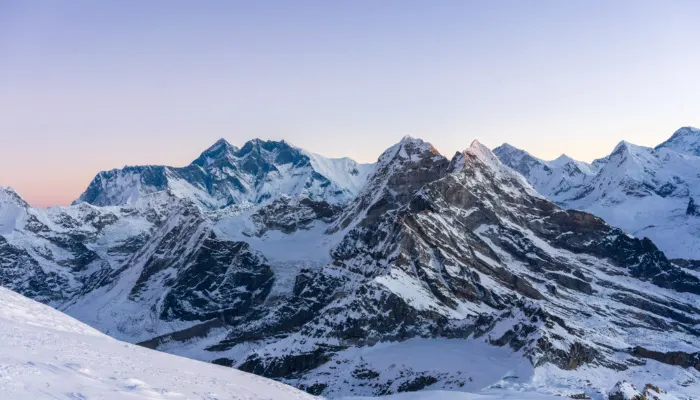
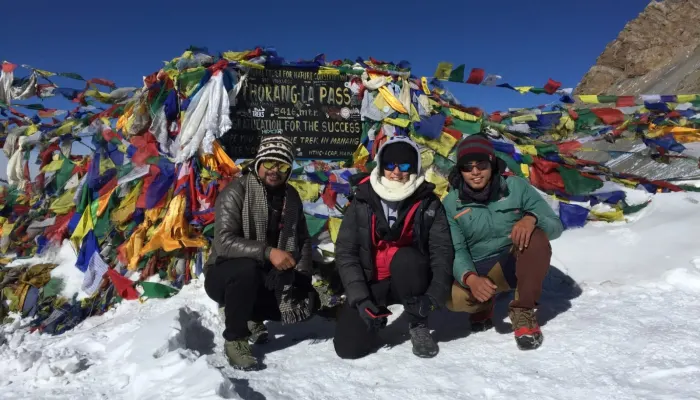
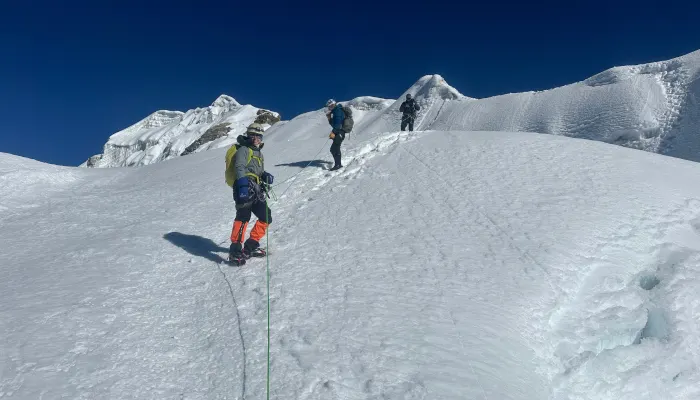
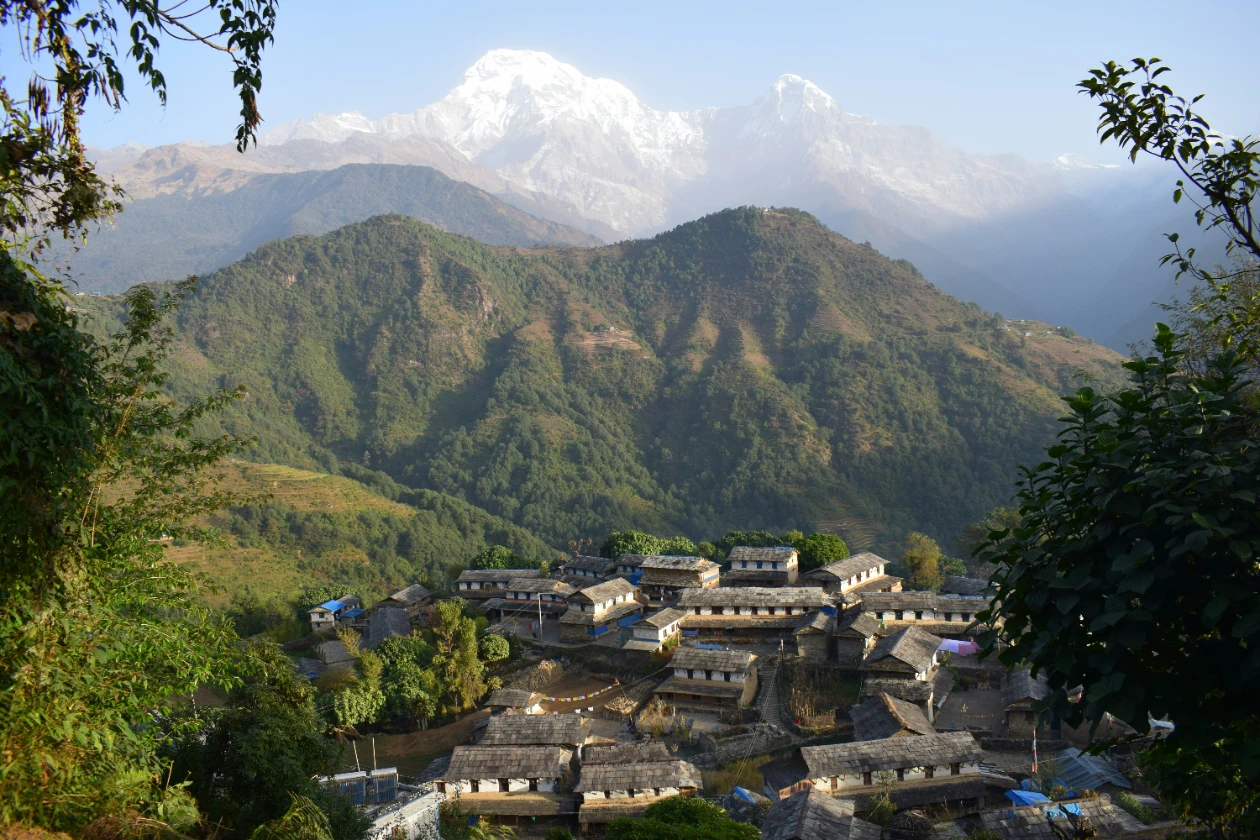
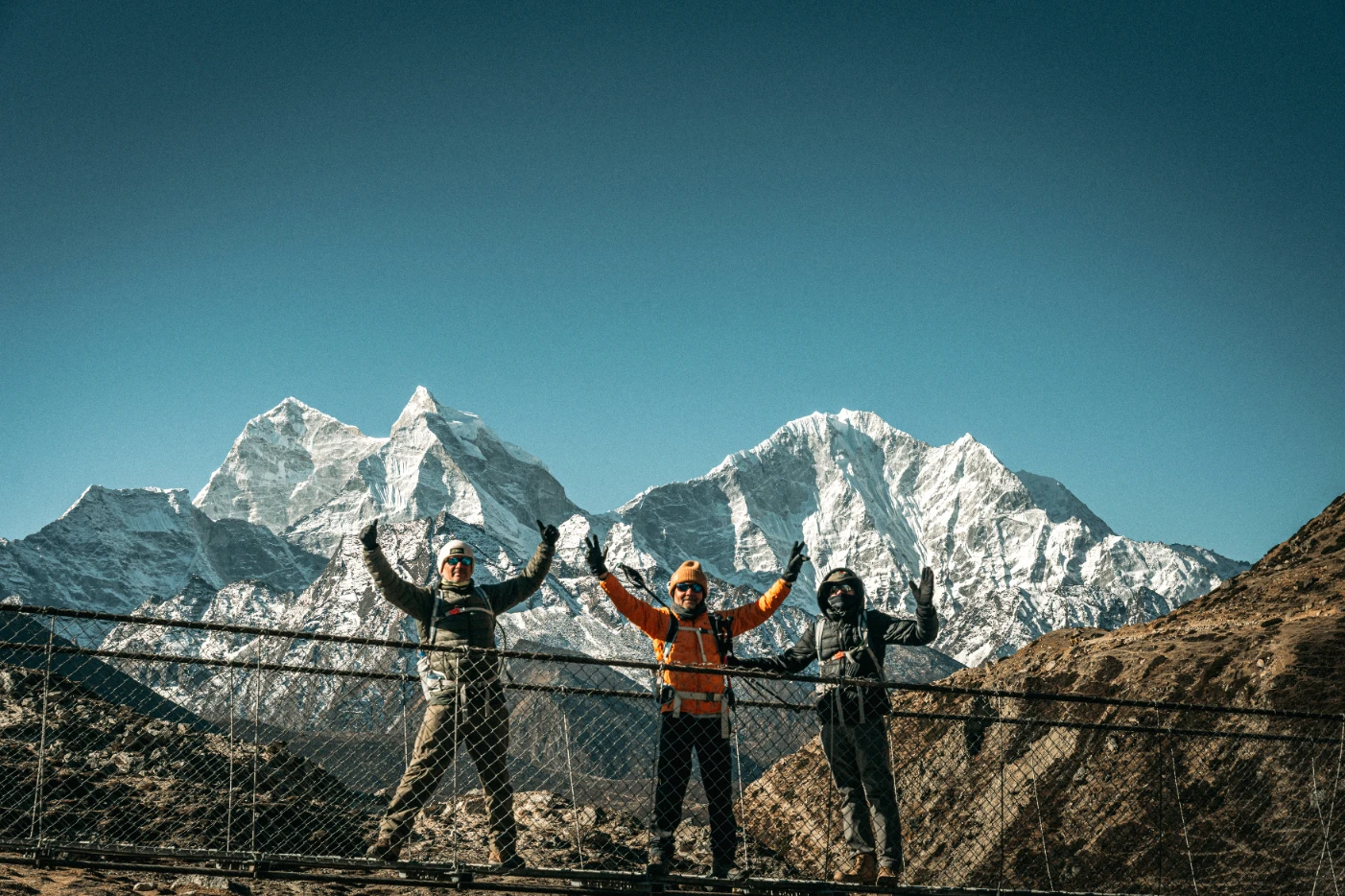
For over three decades, we at Hiking Nepal have guided thousands of adventurers through the breathtaking landscapes of the Himalayas. Trekking in Nepal is not just a walk through the mountains. It is a journey into the heart of the world’s most majestic ranges, where every step reveals a new wonder. From the towering peaks of Everest and Annapurna to the remote trails of Langtang and Manaslu, each trek offers an adventure that stays with you forever.
Yet, the Himalayas demand respect. Altitude, unpredictable weather, rugged terrain, and cultural nuances can turn a dream trek into a challenge if you are not prepared. That is why we have compiled this comprehensive guide. These are not just tips. They are lessons learned from 30 years of experience, designed to help you trek smart, safe, and stress-free. Whether you are a first-time trekker or a seasoned hiker, these insights will ensure your journey is as rewarding as it is unforgettable.
Why Trek in Nepal?
Nepal is a trekker's paradise. Nowhere else on Earth can you find such a diverse range of landscapes, cultures, and experiences packed into a single country. The Himalayas offer everything from gentle walks through rhododendron forests to challenging climbs to the base of the world’s highest peaks. The trails wind past ancient monasteries, terraced farmlands, and remote villages where life has changed little over the centuries.
But what truly sets Nepal apart is the warmth of its people. The Sherpas, Gurungs, and Tamangs you will meet along the way are not just guides and porters. They are the heart and soul of the mountains, and their stories will enrich your journey in ways you never imagined.
Tips for Altitude and Fitness for Trekking in Nepal
Do Not Underestimate Altitude
Altitude sickness does not care how fit you are. It can strike anyone, regardless of age or physical condition. The key to avoiding it is proper acclimatisation. Ascend slowly, drink plenty of water, and listen to your body. If you feel a headache coming on, or notice dizziness or nausea, stop and rest. If symptoms persist, descend immediately. The mountains will always be there. Your health comes first.
Prepare Your Body
You do not need to be a marathon runner to trek in Nepal, but a good level of fitness will make your journey far more enjoyable. Focus on cardio exercises like hiking, running or cycling to build endurance. Strength training for your legs and core will help you tackle the steep ascents and descents. And most importantly, wear your trekking boots on a few short hikes before your trip. There is nothing worse than blisters ruining your adventure.
Be Flexible with Your Dates
The weather in the Himalayas is unpredictable. Flights to Lukla, Jomsom or other remote airstrips can be delayed for days due to fog, wind, or rain. Add a couple of extra days to your itinerary to account for these delays. The last thing you want is to miss your international flight home because of a weather holdup.
Read the Fine Print
Before you book your trek, make sure you understand the terms and conditions. What happens if you need to be evacuated by helicopter? Are refunds available if your trek is cut short? A reputable trekking agency like Hiking Nepal will be transparent about these details and help you prepare for every eventuality.
Expect the Unexpected
The Himalayas do not follow the weather forecast. You can experience sun, rain, snow and wind all in a single day. Pack layers so you can adjust to changing conditions. A good rule of thumb is to be prepared for anything.
Money Saving Tips: Trek Smart and Spend Less
Nepal is one of the most budget-friendly trekking destinations in the world. But costs can add up quickly if you are not careful. Here is how to save money without sacrificing your experience.
Buy Your Gear in Kathmandu
Thamel, the tourist hub of Kathmandu, is a treasure trove for trekking gear. You will find everything from high-quality brand-name equipment to budget-friendly knockoffs. Whether you need a new sleeping bag, trekking poles, or a down jacket, you are likely to find it here at a fraction of the price you would pay back home.
Bring a Solar Charger
Electricity in teahouses is not always reliable, and charging your devices can cost extra. A solar charger is a great investment. It will keep your phone, camera, and other gadgets powered up without adding to your expenses.
Get Insurance with Helicopter Evacuation
This is non-negotiable. If you need an emergency airlift from the mountains, the cost can run into thousands of dollars. Make sure your travel insurance covers high altitude trekking and helicopter evacuations. It could save your life and your wallet.
Carry Enough Cash
ATMs are few and far between once you leave the cities. And the higher you go, the fewer you will find. Carry enough Nepalese rupees to cover your expenses for the entire trek, plus a little extra for emergencies. You will need cash for everything from meals and accommodation to hot showers and charging your devices.
Pack Your Own Snacks
While teahouses offer a variety of meals, you will likely crave something familiar after a few days of dal bhat. Pack your favourite snacks like energy bars, chocolate, or nuts. They will give you a much-needed energy boost and save you money in the long run.
Food and Drinks: Eat Right and Trek Strong
Trekking in Nepal burns a lot of calories. You need to fuel your body with the right food to keep your energy levels up. But not all food is created equal, especially at high altitudes.
Eat Enough
You will be burning thousands of calories each day. Even if you do not feel particularly hungry, make sure you eat enough to keep your energy levels up. Dal bhat, the traditional Nepali meal of lentil soup and rice, is a great option. It is filling, nutritious and widely available.
Avoid Non-Veg Items
Meat is not always fresh at high altitudes. It is often carried up on yaks or mules for days before it reaches the teahouses. Stick to vegetarian options to avoid stomach troubles.
Skip Alcohol and Smoking
Both alcohol and smoking dehydrate you and can make altitude sickness worse. Save the celebration for after your trek. Your body will thank you.
Carry Water Purifiers
Bottled water is expensive and harmful to the environment. Instead, carry a water purification system. Whether you prefer purification tablets, a UV purifier or a filter, make sure you have a reliable way to clean your water.
Bring a Thermos
A thermos is a small but invaluable investment. It will keep your tea, coffee or hot water warm in freezing temperatures, saving you money and keeping you hydrated.
Be Mindful of Food in Kathmandu
Street food in Kathmandu is delicious, but it can also be risky. A bad stomach before your trek can ruin your entire adventure. Stick to reputable restaurants and avoid raw or undercooked foods.
Sanitation Tips: Stay Fresh on the Trail
Staying clean while trekking is a challenge. Showers are rare, toilets are often basic and hygiene standards in remote villages are not the same as in cities. But with the right preparation, you can stay as fresh and hygienic as possible.
Squat Toilets Are Common
Western-style toilets are a rarity at higher altitudes. Be prepared to use squat toilets. It might take some getting used to, but it is all part of the adventure.
Bring Toilet Paper and Wipes
Toilet paper is not always provided in teahouses, and when it is, it might not be free. Carry your own supply of toilet paper and wet wipes. Trust us, you will be glad you did.
Use Dry Bags
Dry bags are a lifesaver. They will keep your toiletries, electronics, and clothes safe from rain, spills, and dust. Invest in a few good-quality dry bags to protect your gear.
Carry Dry Shampoo and Soap
Showers are rare and often cold. Dry shampoo is a great alternative to keep your hair feeling fresh. A small bar of soap can also go a long way in keeping you clean.
Braid Long Hair
If you have long hair, braiding it will keep it from getting tangled, dirty, or frozen in the wind. It is a simple but effective way to stay comfortable on the trail.
Medical Safety: Health First, Goals Second
Your health should always be your top priority when trekking in Nepal. The mountains are beautiful but unforgiving, and medical facilities are limited once you leave the cities. Here is how to stay healthy and safe.
Consult a Doctor Before Your Trek
Before you embark on your adventure, consult a doctor. Discuss altitude medication, vaccines and any general health concerns. If you have pre-existing conditions, make sure they are under control.
Pack a Solid First Aid Kit
Your first aid kit should include blister patches, painkillers, altitude medication, antiseptics, and any personal medications you need. Do not forget to pack Diamox if you are prone to altitude sickness.
Know Your Headaches
A mild headache is normal at altitude. But a pounding headache with dizziness, nausea, or vomiting is a sign of altitude sickness. If you experience these symptoms, descend immediately and seek medical help.
Protect Yourself from Sunburn
The sun in the Himalayas is brutal. The thin air at high altitudes offers less protection from UV rays. Wear sunscreen with a high SPF, sunglasses with UV protection, and a wide-brimmed hat.
Understand Altitude Sickness
Altitude sickness can hit anyone, regardless of fitness or experience. The best way to avoid it is to ascend slowly, stay hydrated and take acclimatisation days. Never ignore the symptoms. Descend if necessary.
Plan Acclimatisation Days
Acclimatisation days are not optional. They are a crucial part of any high altitude trek. Use these days to rest, explore the local area and let your body adjust to the altitude.
Trek with the Best Guides
Local guides know the mountains better than any map or GPS device. They can help you navigate the trails, avoid danger and make the most of your experience. At Hiking Nepal, our guides are experienced, knowledgeable and committed to your safety.
Understand Your Route
Before you hit the trail, get a detailed briefing from your guide or trekking agency. Know the route, the distances and the altitudes. The more you know, the better prepared you will be.
Do Not Trek Alone
The mountains are unpredictable. Trekking alone is not recommended, especially for high-altitude or remote routes. Always travel with a group or a guide.
Bring a Head Torch
Power cuts are common in the mountains. A head torch is essential for night hikes, early morning starts, or late-night bathroom trips. Make sure it has a good battery life and carry extra batteries.
Trek at a Slow, Steady Pace
Rushing is a recipe for disaster. Trek at a slow, steady pace and take plenty of breaks. It is not a race. The goal is to enjoy the journey.
Prepare Mentally
Trekking in Nepal is as much a mental challenge as a physical one. There will be tough days when you feel like giving up. Keep a positive attitude, focus on the beauty around you and remember why you started this journey.
Other Must-Know Trekking Tips
ATMs Are Unreliable
The higher you go, the fewer ATMs you will find. And those that do exist are not always reliable. Carry enough cash to cover your expenses for the entire trek, plus a little extra for emergencies.
Have Alternative Plans
Weather can be unpredictable, and treks can be cancelled or delayed. Have a backup plan in case your original itinerary does not work out. Shorter treks like Poon Hill or Langtang are great alternatives.
Carry Extra Money
You never know when you might need a little extra cash. Whether it is for a hot shower, charging your devices or an extra meal, having some spare rupees will come in handy.
Relax and Enjoy the Trek
Not every day will be easy. There will be challenges, setbacks and moments of doubt. But the experience is worth it. Take the time to soak in the views, chat with the locals and enjoy the journey.
Talk with the Locals
The people you meet along the way are some of the most fascinating and welcoming in the world. Take the time to chat with your guides, porters and the villagers you encounter. Their stories and knowledge will enrich your experience in ways you never imagined.
Pick the Right Season
The best times to trek in Nepal are spring (March to May) and autumn (September to November). The weather is stable, the skies are clear and the views are breathtaking. Winter (December to February) is also an option for lower altitude treks, while summer (June to August) brings monsoon rains that can make the trails slippery and challenging.
Do Not Fear Suspension Bridges
They might look scary, but suspension bridges in Nepal are stronger than they seem. Take your time, hold on to the railings and cross one at a time. You will get used to them quickly.
Respect Local Culture
Nepal is a country with a rich cultural heritage. Respect local customs, greet people properly and always ask before taking photos. A little cultural sensitivity goes a long way.
FAQs for Trekking in Nepal
1. What is the best time to trek in Nepal?
The best seasons for trekking in Nepal are spring (March to May) and autumn (September to November). During these months, the weather is stable, the skies are clear and the views are at their best. Winter (December to February) is also a good option for lower altitude treks, while summer (June to August) brings monsoon rains that can make the trails slippery and challenging.
2. Do I need a trekking permit?
Yes, most trekking routes in Nepal require permits. The common ones include the TIMS (Trekkers Information Management System) card and national park or conservation area permits. Restricted regions like Upper Mustang and Manaslu require special permits, which can be arranged through a registered trekking agency like Hiking Nepal.
3. How difficult is trekking in Nepal?
The difficulty of a trek depends on the route. Treks like Everest Base Camp and Annapurna Circuit are moderate to difficult, while others like Ghorepani Poon Hill and Langtang Valley are easier. Altitude, terrain and weather conditions all play a role in determining the challenge level. But with the right preparation and a good guide, almost anyone can complete a trek in Nepal.
4. How can I prevent altitude sickness?
Acclimatisation is the key to preventing altitude sickness. Ascend slowly, stay hydrated and take rest days at key points. Avoid alcohol and smoking, and listen to your body. If you experience symptoms like headaches, nausea or dizziness, descend immediately and seek medical help.
5. What should I pack for a trek in Nepal?
Packing light but smart is the key. Essentials include good trekking boots, layered clothing, a down jacket, a sleeping bag, a water purifier, sunscreen and basic medicines. Do not forget a hat, sunglasses and a first aid kit. And always carry a good quality backpack to keep your gear organised.
6. Do I need travel insurance for trekking?
Absolutely. Make sure your insurance covers high altitude trekking, emergency evacuations and medical expenses. Helicopter rescues can be expensive, so insurance is a must. At Hiking Nepal, we require all our trekkers to have adequate travel insurance.
7. Can I trek solo in Nepal?
Yes, you can trek solo in Nepal, but hiring a guide or porter is highly recommended, especially for high altitude or remote treks. Some areas, like Manaslu and Upper Mustang, require a guide by law. Trekking with a guide not only enhances your safety but also enriches your experience with local knowledge and insights.
8. Is Wi Fi and charging available on the trek?
Yes, most teahouses offer Wi Fi and charging facilities for an additional fee. However, connections can be slow and power sources may be limited. Carrying a power bank or solar charger is a good idea to ensure you stay connected.
9. What is the accommodation like during treks?
Trekkers stay in teahouses, which offer basic lodging with twin beds, blankets and simple meals. In popular routes like Everest and Annapurna, some teahouses provide hot showers and heated dining rooms for an extra cost. The facilities are simple but comfortable, and the hospitality is warm and welcoming.
10. How much does trekking in Nepal cost?
The cost of trekking in Nepal depends on the route, duration, permits and whether you hire guides or porters. A budget trek can start at USD 30 to 50 per day, while more luxurious options cost more. Restricted areas have higher permit fees. At Hiking Nepal, we offer competitive pricing and transparent cost breakdowns to suit every budget.

Trekking in Nepal is more than just an adventure. It is an experience that stays with you forever. From the breathtaking trails of the Everest and Annapurna regions to the remote beauty of Langtang and Manaslu, every trek is a journey of discovery. But the Himalayas are as challenging as they are beautiful, and the right preparation can make all the difference.
At Hiking Nepal, we have been guiding trekkers through these stunning landscapes for over 30 years. Our expert guides, personalised itineraries, and commitment to safety ensure that every trekker has a memorable and rewarding experience. Whether you are looking for a challenging high altitude adventure or a gentle cultural trek, we have the knowledge and expertise to make your dream trek a reality.
Ready to Start Your Adventure?
If you are ready to embark on the trek of a lifetime, get in touch with us. Our team of experts is here to answer your questions, provide recommendations, and help you plan your perfect Himalayan adventure.
📞 Phone: +977 9802342080 (Nava)
📧 Email: [email protected]
🌐 Website: www.hikingnepal.com
Follow us on social media for trekking tips, inspiration, and updates:
📱 Facebook: Hiking Nepal
📸 Instagram: @hikingnepal
🐦 Twitter: @hikingnepal
Disclaimer: The information provided in this guide is for general informational purposes only. Trekking in Nepal involves physical activity and exposure to high altitudes, which can pose risks to your health and safety. Always consult with a healthcare professional before embarking on a trek, and ensure you have adequate travel insurance. Hiking Nepal is not responsible for any injuries, illnesses or other issues that may arise during your trek.