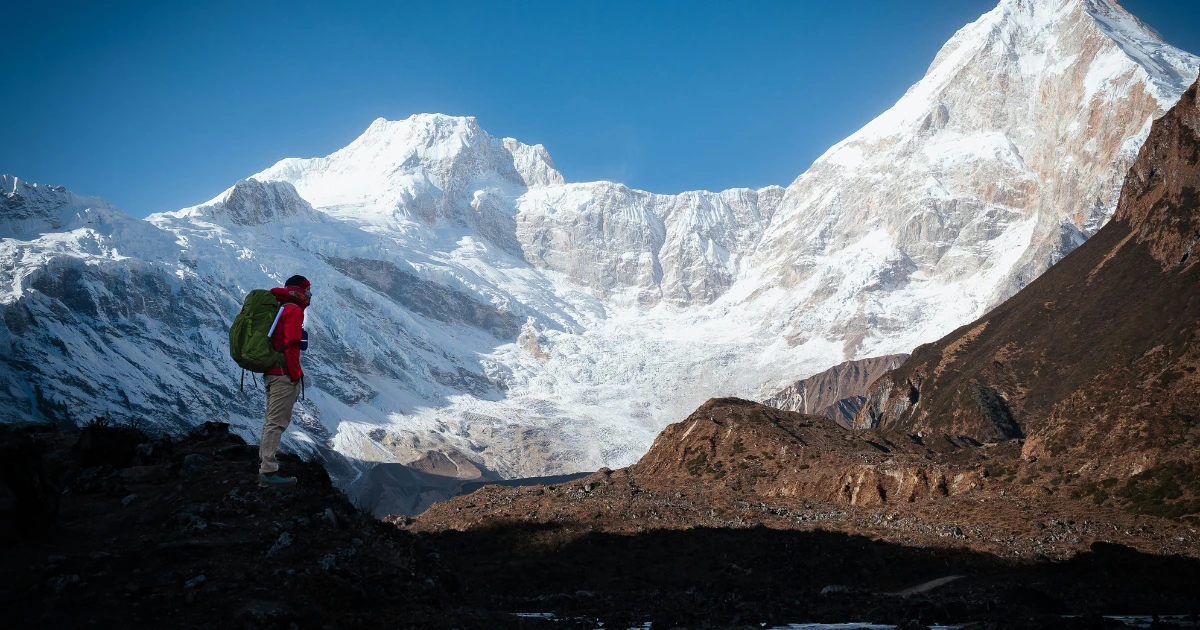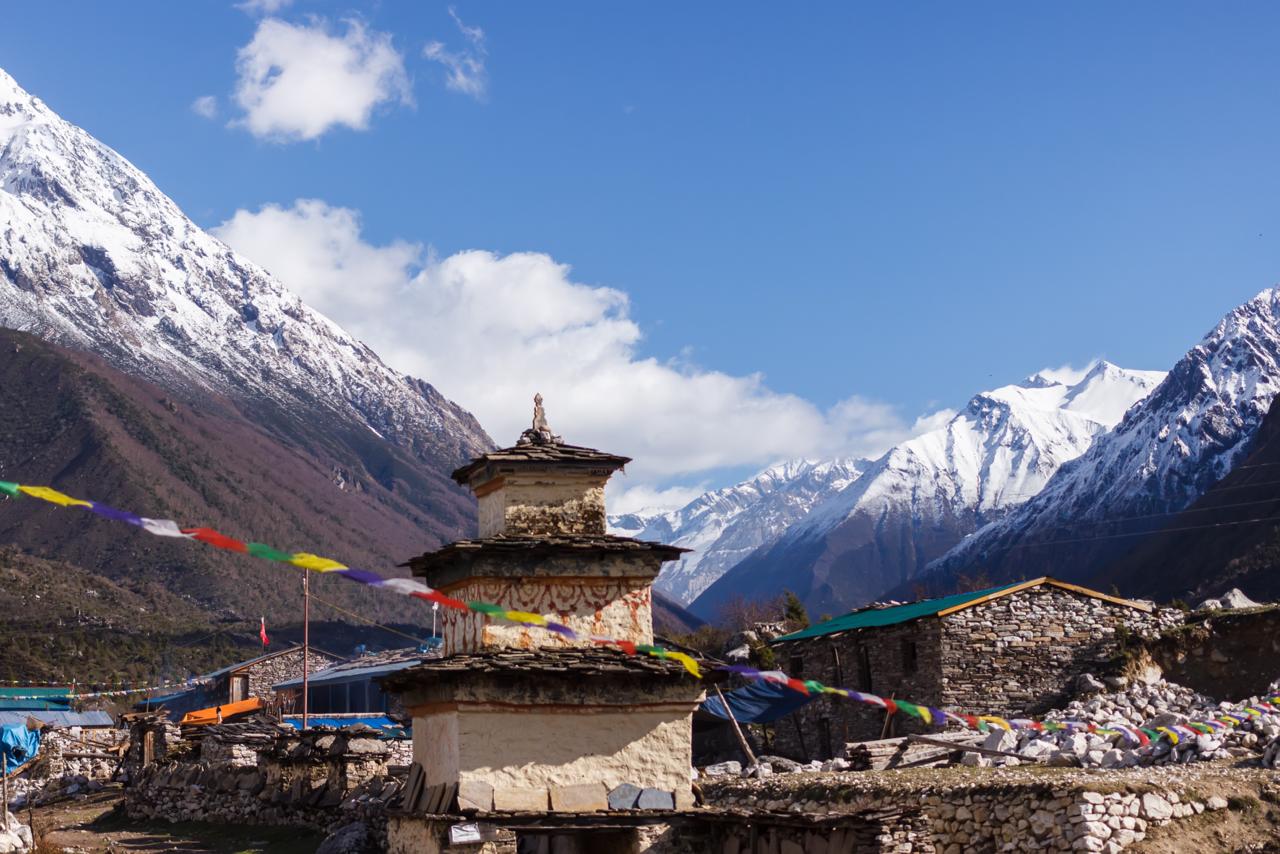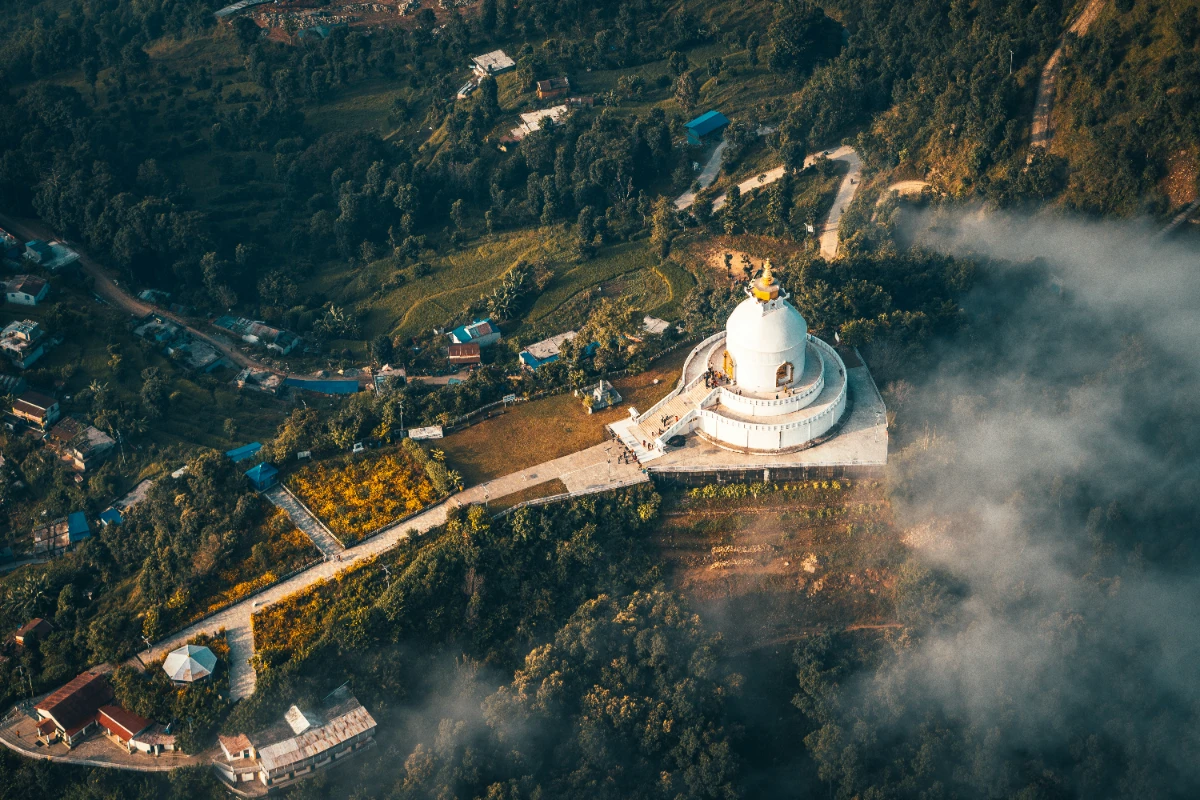
You land in Pokhara on a Tuesday afternoon. By Wednesday morning, you are on a trail with the Annapurna range filling the northern horizon and a licensed guide walking thirty metres ahead at exactly the pace you set. No acclimatisation days lost in a city hotel. No 4 am drive to a weather-dependent mountain airport. No permit queues on the first morning of your holiday. You are trekking, the day after you arrived, in some of the finest mountain scenery in the world.
That is what makes Pokhara a genuinely different trekking base from anywhere else in Nepal. The trails are close, the logistics are simple, and the city itself, warm, well-fed, and sitting on the edge of a lake with the Himalayas directly overhead, is a pleasure to return to after a day or a week on the trail. This guide covers the five best short treks from Pokhara in 2026, alongside everything practical you need to plan and execute them well.
Why Pokhara Works as a Trekking Base
Most people travelling to Nepal arrive through Kathmandu and stay longer than they need to. Kathmandu is worth several days of anyone's time, but it is not a practical trekking base for the Annapurna region. The trailheads are four to six hours away by road, the permit offices are busier, and the city's density and noise make it a complicated place to prepare mentally for a week in the mountains. Pokhara solves all of this cleanly.
Geographical Advantages
Pokhara sits at 827 metres on the southern edge of the Annapurna massif. The drive to Nayapul, the trailhead for the Poon Hill circuit, is 90 minutes. The road to Kande, the starting point for Australian Camp and Dhampus, is 30 minutes. Sarangkot, one of the finest sunrise viewpoints in western Nepal, is a 20-minute drive from Lakeside, followed by a 45-minute walk. The mountains are not a journey from Pokhara. They are a continuation of it.
Starting at 827 metres also means the altitude gain to the highest points on most short circuits is gradual enough for the body to adjust without incident. The Poon Hill viewpoint at 3,210 metres is the ceiling for the majority of Pokhara-based short treks, and it is reached over three to four days from a very comfortable base elevation. Altitude sickness is uncommon on these circuits for precisely this reason.
Phewa Lake sits at the city's southern edge, and Begnas and Rupa Lakes are within 30 minutes by road. On a rest day or on the evening before departure, these are places of genuine quiet. The reflection of Machhapuchhre in Phewa Lake on a clear morning is worth the trip to Pokhara on its own terms.
Logistical Benefits
Every permit required for the Annapurna region trekking is available in Pokhara Lakeside on the same day. The Nepal Tourism Board office issues TIMS cards and ACAP permits without the queues you encounter in Kathmandu. There is no need to factor an extra day in the capital for permit processing.
The gear situation along Lakeside's main strip is comprehensive. Down jackets, trekking poles, sleeping bag liners, rain covers, blister kits, and walking sticks are all available for hire or purchase at prices comparable to Kathmandu's Thamel market. If something has been forgotten or breaks on the first day, it is replaceable within an hour of returning to the city.
Pokhara has direct flights from Kathmandu on Yeti Airlines and Buddha Air that take 25 minutes and depart multiple times daily. Tourist buses from Kathmandu run regularly and take seven to eight hours along the Prithvi Highway. Private vehicles take five to six hours and suit families or groups who want a direct, flexible transfer without a schedule.
Comfort in the City
Lakeside is one of the more pleasant places in Nepal to spend a day before or after a trek. The restaurants cover Nepali, Indian, Chinese, Italian, Israeli, and bakery options across a range of price points. Accommodation runs from guesthouses at NPR 800 per night to boutique lakeside hotels with mountain-view rooms and spa facilities. The city is small enough to navigate easily on foot or by bicycle, and calm enough to feel like a rest rather than an extension of the journey.
The Five Best Short Treks from Pokhara
Poon Hill Trek
Duration: 4 to 5 days Maximum altitude: 3,210m Difficulty: Easy to moderate Best season: March to May, October to November Required permits: TIMS card (NPR 2,000) and ACAP permit (NPR 3,000), both available in Pokhara Lakeside
The Poon Hill circuit is the most popular short trek in Nepal, and it earns that position consistently. The route runs from Nayapul through Tikhedhunga, Ulleri, and Ghorepani before descending via Tadapani and Ghandruk back to the road. The viewpoint at Poon Hill at 3,210 metres offers a 180-degree panorama spanning Dhaulagiri, Annapurna South, Hiunchuli, Machhapuchhre, and Annapurna I simultaneously. The view is not a partial reward for reaching a high point. It is the full panorama, available to anyone who can walk for three days.
The pre-dawn ascent from Ghorepani to the viewpoint is the centrepiece of the circuit. Headtorches on at 4:45 am, the trail climbs 350 metres in around an hour to the ridge. As the first light arrives from the east and moves along the chain of peaks from Kanchanjunga to Dhaulagiri over roughly twenty minutes, it is the kind of thing that is very difficult to describe usefully and very easy to remember permanently.
The hardest section is the stone staircase from Tikhedhunga to Ulleri: approximately 3,000 steps over 90 minutes of sustained climbing. The top of the staircase is rarely visible from the bottom, and the monotony of the pattern can feel demoralising. Start this section early, before the heat builds, carry snacks, and accept that the effort here is the price of everything that follows. The rest of the circuit is moderate to gentle.
In spring, from mid-March through April, the rhododendron forest between Tikhedhunga and Ghorepani is in full bloom at successive altitude bands. Red at lower elevations, pink and white higher up, it turns what would otherwise be a functional approach trail into something worth walking slowly. Booking spring 2026 departures at least six weeks in advance is advisable for this window.
Children as young as six complete the Poon Hill circuit regularly. The trail is well-marked, the teahouses at each overnight stop are among the best-maintained on any circuit in Nepal, and the cultural stops through the Gurung villages of Ulleri, Nangethanti, and Ghandruk add a dimension to the trek beyond the viewpoint itself.
Australian Camp Trek
Duration: 1 to 2 days Maximum altitude: 2,065m Difficulty: Very easy Best season: Year-round, except heavy monsoon weeks in July and August Required permits: TIMS card only
Australian Camp is where Pokhara's geographical advantage becomes most immediate. The trailhead at Kande is a 30-minute taxi ride from Lakeside. From Kande, the trail climbs through forest and small settlements to the Australian Camp ridge at 2,065 metres in three to four hours of comfortable walking. The view from the ridge takes in Annapurna South, Hiunchuli, Machhapuchhre, and Annapurna I in a direct, unobstructed line.
This is the right trek for travellers with one or two days to spare, for families with young children, for anyone who wants a genuine Himalayan view without a multi-day commitment, and for first-time trekkers who want to check their fitness and equipment before attempting a longer circuit. The teahouses at the camp are simple. The sunrise from the ridge on a clear morning is not.
No ACAP permit is required for Australian Camp, which keeps the permit cost to NPR 2,000 for the TIMS card. It is the most accessible and least expensive introduction to Annapurna region trekking available from Pokhara.
Dhampus Trek
Duration: 2 to 3 days Maximum altitude: 1,650m Difficulty: Easy Best season: Spring and autumn; manageable in winter with appropriate layers Required permits: TIMS card only
Dhampus is a traditional Gurung village at 1,650 metres on a ridge above the Modi Khola valley, with open views of the Annapurna range across the valley floor. The approach from Phedi, a 20-minute drive from Pokhara, climbs through terraced fields and mixed forest to the village in around two hours on a trail that is genuinely gentle for most fitness levels.
The reason to choose Dhampus over Australian Camp is cultural depth rather than altitude or views. Gurung homestays in the village are available and they change the character of the experience considerably. Eating in a village kitchen, sleeping in a house that has been in the same family for three generations, and having a conversation about the community facilitated by your guide is a different order of experience from a teahouse stop. It is the reason many travellers who have already done Poon Hill choose Dhampus on their second visit to Pokhara.
For families with children, Dhampus is the most culturally grounded short option from the city. The trail is appropriate for children aged five and above, the altitude is well below any AMS risk threshold, and the village interaction tends to be the thing children describe most vividly when they get home.
Sarangkot Sunrise
Duration: 1 day or 1 overnight Maximum altitude: 1,600m Difficulty: Very easy Best season: Year-round Required permits: None
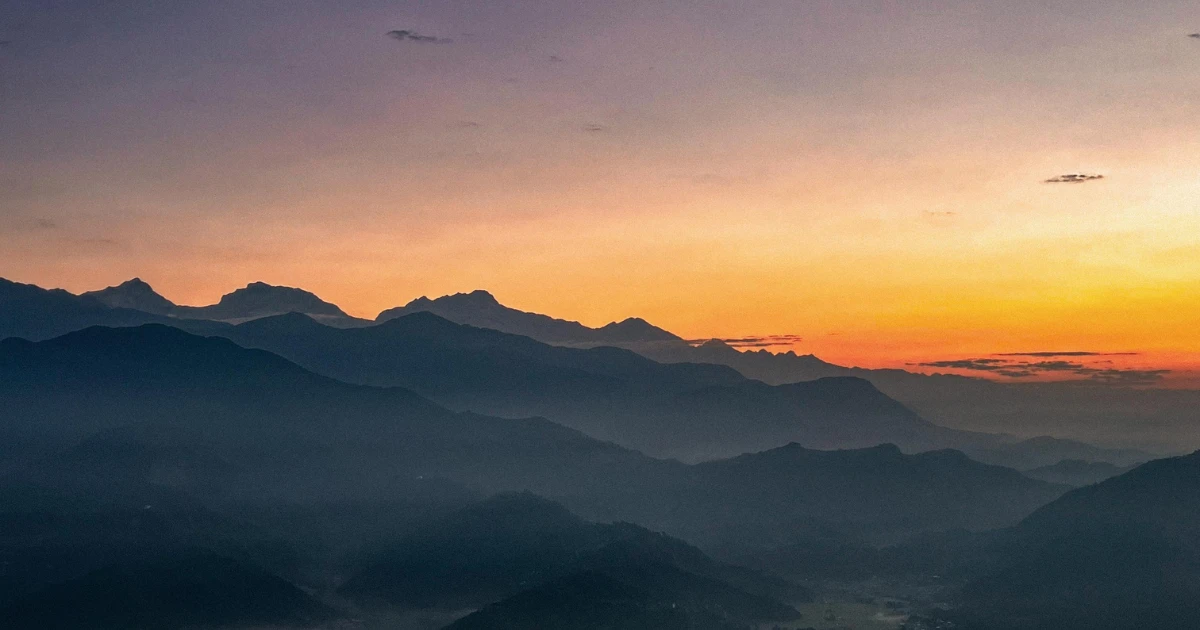
Sarangkot is 45 minutes of walking from the road at the base of the hill to the viewpoint at 1,600 metres. It is the finest sunrise position accessible from Pokhara without an overnight trail commitment, and on a clear morning the view north and northeast takes in Dhaulagiri, the Annapurna massif, and Machhapuchhre with the Pokhara valley dropping away below you to the south.
A pre-dawn departure from Lakeside by taxi, arriving at the base of the hill by 5:15 am, gets you to the viewpoint before the light arrives. The walk is well-maintained and well-lit by the headtorches of the other trekkers making the same ascent. Teahouses near the summit serve hot tea and coffee from before dawn.
Sarangkot is also the main paragliding launch point for the Pokhara valley. Tandem flights depart from just below the viewpoint throughout the morning during the main seasons. The combination of the sunrise walk and a morning paragliding flight over the lake and the foothills, landing on the shore of Phewa Lake, makes for one of the more complete single days available anywhere in the Annapurna region. Tandem paragliding costs between NPR 8,000 and NPR 12,000, depending on the operator and the duration of the flight.
Ghorepani Loop
Duration: 5 to 7 days Maximum altitude: 3,210m Difficulty: Easy to moderate Best season: March to May, October to November Required permits: TIMS card (NPR 2,000) and ACAP permit (NPR 3,000)
The Ghorepani loop takes the Poon Hill circuit and extends it into a more complete experience of the lower Annapurna foothills. Where the 4-day Poon Hill trek descends relatively quickly after the sunrise viewpoint, the 7-day loop adds the Tadapani to Ghandruk section, allows a full afternoon in Ghandruk village, and gives the trek a shape that feels like genuine immersion rather than a quick turnaround.
Ghandruk itself justifies the extra days. At 1,940 metres, it is the largest Gurung village on the circuit and one of the most architecturally intact. The Gurung Heritage Museum in the village centre covers traditional tools, clothing, weapons, and household objects in a restored traditional house. Weaving demonstrations at household looms, interactions with village families facilitated by the guide, and the quality of the teahouses at this altitude collectively make Ghandruk the cultural highlight of the Annapurna foothills for most travellers who pass through it.
For travellers who want more than a viewpoint and are willing to spend six or seven days to get it, the Ghorepani loop is the most complete short trek available from Pokhara.
Pokhara vs Other Trekking Bases
Factor | Pokhara | Kathmandu | Lukla (Everest Region) |
| Starting altitude | 827m | 1,400m | 2,840m |
| Time to nearest trailhead | 30 to 90 minutes | 4 to 6 hours | At the trailhead, but requires a Lukla flight |
| Flight dependency | None for short treks | None | Mandatory, weather-dependent |
| Permit availability | Same day, Lakeside | Available, longer queues | Limited options locally |
| Altitude sickness risk on short treks | Low | Low to moderate | Moderate to high |
| Gear hire | Comprehensive, Lakeside | Comprehensive, Thamel | Very limited |
| Post-trek comfort | High | High | Very limited |
| Cost for short circuits | Lower (no domestic flights) | Moderate (transport adds cost) | Higher (Lukla flight adds USD 150 to 200) |
The comparison with Lukla is the most instructive. The Tenzing-Hillary Airport at Lukla has one of the most variable weather windows of any commercial airport in the world. Flight cancellations and delays in peak season are routine. A trekker arriving from Kathmandu for an EBC departure in October may spend one to two days in Ramechhap or Kathmandu waiting for a weather window before their trek begins. From Pokhara, the Poon Hill circuit begins with a 90-minute jeep ride. The difference in logistical stress between the two is significant and the difference in trek quality is not.
Practical Information for Trekking from Pokhara
Permits
Two permits cover the majority of short treks from Pokhara. The TIMS card (Trekkers' Information Management System) costs NPR 2,000 for trekkers with a registered agency and is required on all routes. The Annapurna Conservation Area Permit (ACAP) costs NPR 3,000 and is required for all routes that enter the Annapurna Conservation Area, which includes Poon Hill, Ghorepani, Australian Camp with the extended trail, and the Ghorepani loop. Both are available from the Nepal Tourism Board office in Lakeside. Hiking Nepal handles all permit applications as part of every guided departure.
Australian Camp and Sarangkot require only the TIMS card. Dhampus requires only the TIMS card.
Getting to the Trailheads
Private jeep hire from Lakeside to Nayapul (Poon Hill trailhead) costs NPR 3,000 to 5,000 for the vehicle and takes 90 minutes. Local buses cover the same route for NPR 200 to 300 per person but take longer and stop frequently. The road to Kande (Australian Camp and Dhampus trailhead) is 30 minutes by taxi at NPR 500 to 800. Phedi (the alternative Dhampus trailhead) is similarly priced.
Hiking Nepal provides private vehicle transfers as part of all guided packages. No public bus coordination is required.
Best Time of Year
Spring, March to May, is the premium season for most short treks from Pokhara. The rhododendron forest on the Poon Hill approach is in full bloom from mid-March through April. Morning visibility is statistically best in late March and early April before pre-monsoon haze builds in the valleys. Temperatures at Ghorepani in spring evenings drop to 3 to 8 degrees Celsius, which is cold but manageable with appropriate layers.
Autumn, October to November, offers the best Himalayan visibility of the year after the monsoon has cleared. Trails are dry and firm. Temperatures in November drop faster than in spring, and nights at Ghorepani in late November can reach minus 5 degrees Celsius. The rhododendrons are not blooming but the post-monsoon clarity more than compensates for most travellers.
Winter, December to February, is quiet, cold, and clear. The lower-altitude treks including Sarangkot, Australian Camp, and Dhampus are entirely manageable with appropriate clothing. The Poon Hill and Ghorepani routes are achievable in winter but require full cold-weather layering for the pre-dawn summit ascent.
Monsoon, June to August, makes the high-altitude routes difficult and unpleasant. Sarangkot, Australian Camp, and Dhampus are manageable on clear monsoon days with rain gear, but visibility is limited, and leeches are present on the lower trails. Hiking Nepal does not recommend the Poon Hill or Ghorepani circuits during the core monsoon months.
Accommodation and Food on the Trail
Teahouses on the Poon Hill and Ghorepani circuits are the best-maintained in the Annapurna foothills. Private rooms with attached or nearby bathrooms are available at the main overnight stops of Tikhedhunga, Ulleri, Ghorepani, Tadapani, and Ghandruk. Solar-heated showers cost NPR 200 to 500 per use. Wi-Fi is available at teahouses at lower altitudes for NPR 200 to 500 per day. Battery charging costs NPR 100 to 300 per hour.
The teahouse menus on all five circuits cover dal bhat with unlimited refills, fried rice, noodle soup, momos, omelettes, porridge, chapati with honey, and pasta at the larger stops. Dal bhat is nutritionally complete, cooked fresh, and costs NPR 400 to 600 with unlimited refills. It is the recommended main meal on any day when your body is working hard at altitude.
Drinking tap water on the trail is not safe. Filtered water stations are available at most teahouses and cost NPR 50 to 100 per litre. Water purification tablets are an effective alternative and weigh almost nothing in a pack. Carrying your own one-litre reusable bottle and refilling it at filtration stations eliminates plastic bottle waste and saves money compared to purchasing sealed bottles at each stop.
Safety Considerations
The short treks from Pokhara stay below 3,500 metres and present a low altitude sickness risk when the ascent is gradual, and hydration is maintained. The signs of mild Acute Mountain Sickness, persistent headache, nausea, and unusual fatigue that does not resolve with rest, should be taken seriously at any altitude. If symptoms appear and do not resolve within two hours of rest and rehydration, descending 300 to 500 metres is the correct response.
Blisters are the most common trail injury on short circuits and the most preventable. Boots must be broken in before the trek, not during it. Sunburn at altitude is underestimated by most first-time trekkers. SPF 50 minimum sunscreen applied before the morning walk is a non-negotiable daily habit above 2,000 metres, where UV intensity is significantly higher than at sea level.
Travel insurance covering helicopter evacuation from altitude and emergency medical treatment in Nepal is required on all Hiking Nepal departures and strongly recommended for independent trekkers. The Pokhara Rescue Centre can be reached at +977 61 462981. The nearest hospital with full emergency services is Manipal Teaching Hospital in Pokhara.
All Hiking Nepal guides carry pulse oximeters, a first-aid kit, and altitude medications on every departure from Pokhara. The Hiking Nepal emergency coordination line is available 24 hours a day throughout the trekking season.
What to Pack for a Short Trek from Pokhara
The principle for short Pokhara treks is layered simplicity. You are not preparing for a high-altitude expedition. You need enough to be comfortable in all conditions, light enough to carry it yourself without discomfort, and organised so that waterproofs and snacks are accessible without unpacking at the side of the trail.
Essential items for a 4-day Poon Hill circuit:
- Waterproof and windproof jacket
- Mid-layer fleece
- Thermal base layer for evenings at Ghorepani
- Trekking trousers, two pairs
- Warm hat and lightweight sun hat
- Waterproof trekking boots, broken in beforehand
- Trekking socks, four pairs minimum
- Daypack 20 litres with a rain cover
- Trekking poles, available for hire in Pokhara Lakeside
- Headtorch with spare batteries
- One-litre reusable water bottle
- SPF 50 sunscreen and lip balm
- Blister plasters and a basic first-aid kit
- Personal medications for the trek duration plus a two-day buffer
For the 1 to 2-day treks including Australian Camp, Sarangkot, and Dhampus, the list reduces significantly. A good daypack, a rain jacket, a warm layer, sturdy shoes, sunscreen, and a full water bottle cover most conditions on these lower-altitude routes.
Frequently Asked Questions
Do I need a guide for short treks from Pokhara? As of 2026, Nepal's No Solo Trekking rule for foreign nationals applies to all national park and conservation area trails. A licensed guide through a registered agency is legally required for Poon Hill, Ghorepani, and Australian Camp routes within the ACAP boundary. Sarangkot and lower Dhampus trails outside the conservation area boundary are not subject to this rule, though a guide adds cultural context that most travellers find worthwhile even on a one-day walk.
How fit do I need to be for these treks? The Australian Camp, Dhampus, and Sarangkot routes are accessible to anyone who can walk for two to four hours on an uneven path. The Poon Hill circuit and the Ghorepani loop require the ability to walk five to six hours on consecutive days with moderate gradient sections. No prior trekking experience is required for any of the five routes described in this guide.
What is the best short trek for families with children? Australian Camp for families with children under seven, on the basis of altitude, distance, and difficulty. Dhampus for families who want cultural depth alongside mountain views. Poon Hill for children aged eight and above who are regularly active. Hiking Nepal runs dedicated family guided departures on all three routes.
Can I drink water from taps or streams on the trail? No. Filtered water from teahouse stations or water treated with purification tablets is safe. Untreated tap water and stream water on all circuits described in this guide is not safe to drink.
How do I get from Kathmandu to Pokhara? Domestic flights with Yeti Airlines or Buddha Air take 25 minutes and cost approximately USD 80 to 120 per person one way. Tourist buses take seven to eight hours and cost NPR 800 to 1,500 per person. Private vehicle transfers take five to six hours and are available through Hiking Nepal for groups who want a direct, comfortable transfer.
What happens if the weather is bad on summit morning at Poon Hill? If cloud cover prevents the full panorama on summit morning, the guide assesses whether a second pre-dawn attempt the following day is feasible within the itinerary. Hiking Nepal builds a weather contingency day into all 5-day Poon Hill departures for this reason. A completely cloud-covered Poon Hill is rare during the main spring and autumn seasons, but it does occur. The trail and the forest are worth the walk regardless of summit visibility.
Trekking from Pokhara with Hiking Nepal
Hiking Nepal runs private guided departures on all five circuits described in this guide throughout the main trekking seasons. Every departure includes a licensed, WAFA-certified guide, a contracted porter with full IPPG welfare compliance, pre-booked accommodation at inspected teahouses, all meals on the trail, permit handling, private vehicle transfers, and 24-hour emergency support. Private family departures are available on any date. Small group joining departures run on fixed dates from March through May and October through November.
Our departure dates are open for booking. Contact the Hiking Nepal team on WhatsApp at +977 9802342080 or at [email protected] to confirm availability and receive a quote for your specific dates and group size.
The mountains are 90 minutes from your hotel. The only question is which day you want to start.