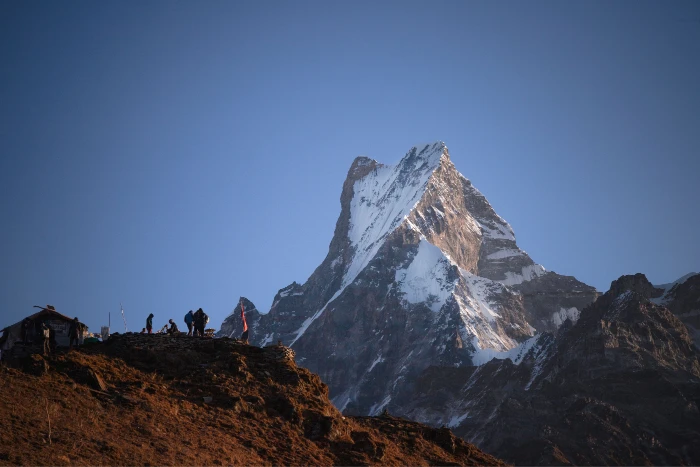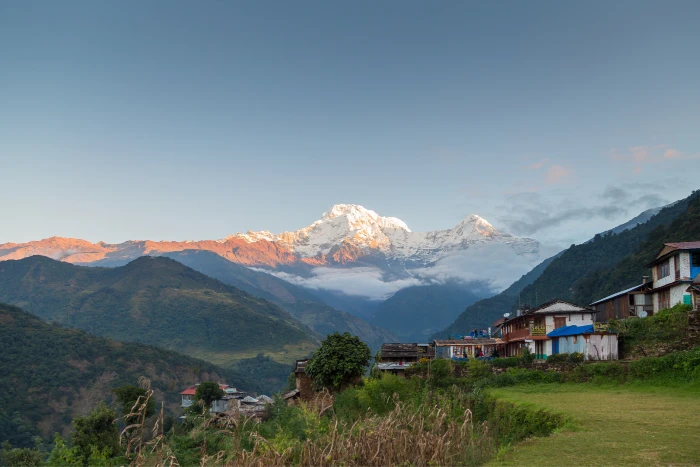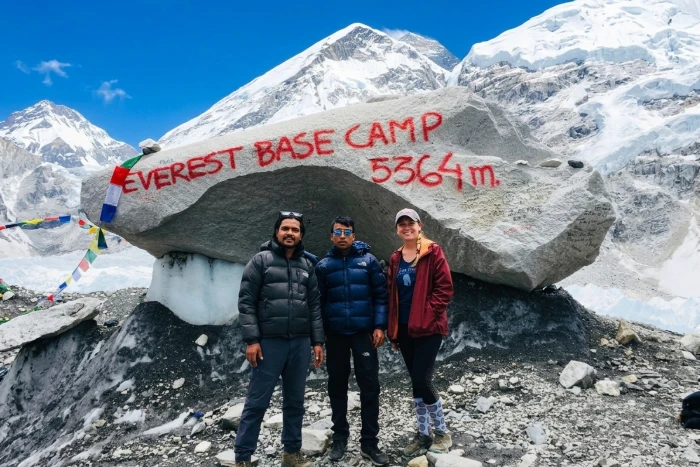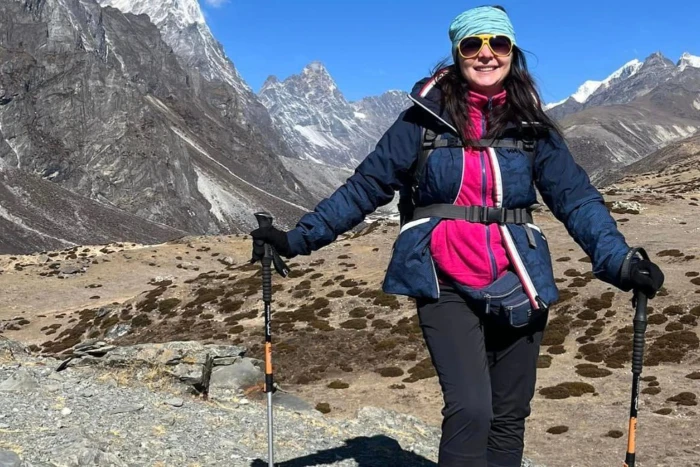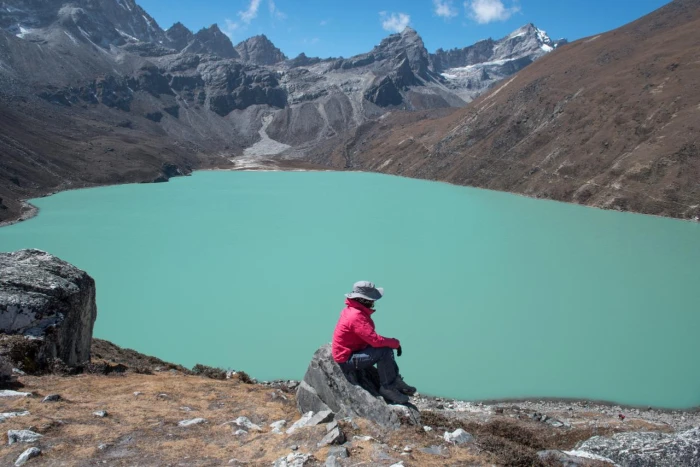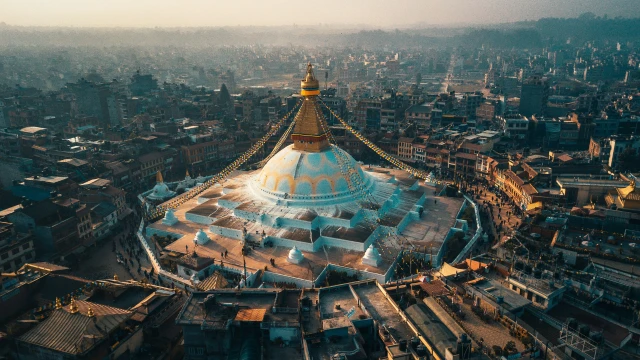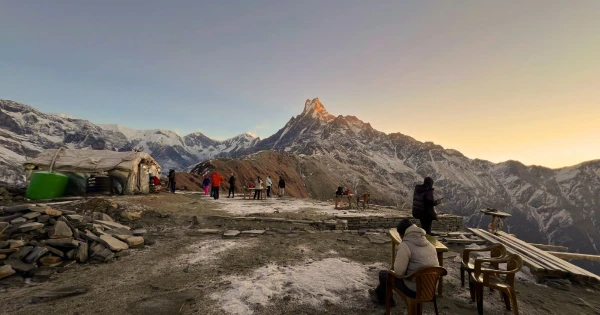
Nepal contains eight of the world's fourteen peaks above 8,000 metres, more than 1,400 mapped trekking routes across five distinct geographic regions, and a cultural landscape stretching from Hindu temple cities in the Kathmandu Valley to ancient Tibetan Buddhist communities above 4,000 metres in the high Himalaya. By almost any measure, it is the most comprehensively extraordinary trekking destination on earth.
It is also, for a first-time visitor trying to plan a trip, genuinely bewildering. The route options are numerous. The permit system has multiple tiers. The cost variables are poorly understood. The seasonal advice online is inconsistent. And the gap between a well-planned trek with an experienced operator and an improvised one can be the difference between the most memorable experience of your life and a mismanaged week at altitude with the wrong guide, the wrong timing, and the wrong expectations.
This guide exists to close that gap. It covers everything you need to plan a Nepal trek in 2027 with clarity and confidence: the best routes across every duration and difficulty level, what each one costs in honest detail, the permits required and how to obtain them, the seasonal windows that suit each circuit, what to pack, how to manage altitude safely, and how to book a departure with Hiking Nepal that is calibrated to your specific goals and timeline.
Whether you are planning your first Himalayan trek or returning for a route you have not done before, this is the reference you need before you book.
How to Choose the Right Trek in Nepal
The single most common mistake in Nepal trek planning is choosing a route before identifying what you actually want from the experience. The Everest Base Camp trek and the Poon Hill circuit both involve walking in the Himalaya with a guide and sleeping in teahouses. Beyond that, they are different experiences in almost every dimension that matters.
Before looking at specific routes, work through four questions.
How much time do you have? Nepal's short circuits run three to seven days. The classic high-altitude routes take twelve to sixteen days. The remote wilderness circuits require eighteen to twenty-five days. Your available window eliminates most of the route list immediately.
What is your realistic fitness level? Not your aspirational fitness level after two months of training, but your current level. Can you walk five hours on uneven terrain on consecutive days? Have you spent a night above 3,000 metres before? The answers determine your altitude ceiling and daily distance targets.
What kind of experience do you want? Mountain views and summit objectives draw one type of trekker. Cultural immersion in Sherpa or Tamang or Gurung villages draws another. Wilderness and solitude draw a third. Most good treks offer some combination, but the balance differs significantly between routes.
What is your budget? Nepal trekking spans a wide range from USD 400 for a short Poon Hill circuit to USD 3,000 and above for a fully supported private luxury departure on a restricted area route. The costs are not arbitrary and understanding what drives them helps you allocate your budget where it makes the most difference to your experience.
The Best Trekking Routes in Nepal for 2027
Classic High-Altitude Routes
Everest Base Camp Trek
Duration: 12 to 14 days
Maximum altitude: 5,364m at EBC, 5,545m at Kalapatthar
Difficulty: Moderate to challenging
Best season: March to May, September to November
Permits: Khumbu Pasang Lhamu Rural Municipality permit (NPR 3,000) and Sagarmatha National Park permit (NPR 3,390 including VAT)
Group joining price: From USD 1,499 per person
The Everest Base Camp trek is the route that most people associate with Nepal trekking at its most ambitious, and it earns its reputation consistently. The circuit begins with a domestic flight to Lukla at 2,840 metres and follows the Dudh Koshi river valley north through the Sherpa heartland: Phakding, Namche Bazaar, Tengboche monastery, Dingboche, Lobuche, and Gorak Shep before the final walk to Base Camp at 5,364 metres.
The Sherpa cultural dimension of this route is as significant as the altitude objective. Namche Bazaar at 3,440 metres is the largest settlement in the Khumbu and the commercial and cultural centre of Sherpa Nepal. The monastery at Tengboche at 3,860 metres is one of the most important Nyingma Buddhist institutions in Nepal and the site of the Mani Rimdu festival each November. The Khumbu Glacier, visible from Gorak Shep, is the most extensive glacier accessible on a standard trekking route in Nepal.
Kalapatthar at 5,545 metres is the standard summit objective for views of Everest's south face, reached on the same day as the EBC visit or on a separate pre-dawn ascent. The view from Kalapatthar at sunrise, with the first light moving along the ridge from Nuptse to Everest to Lhotse, is the defining visual experience of the Khumbu and one of the most photographed moments in adventure travel.
The EBC route requires acclimatisation days at Namche Bazaar and Dingboche. These are not optional rest days that can be skipped to save time. They are the physiological foundation on which the upper section of the route is possible. Moving through the acclimatisation schedule at the correct pace is the most important variable in a successful EBC trek, and it is where an experienced guide's judgment adds its most practical value.
The route involves a domestic flight to Lukla, which introduces weather dependency. The Tenzing-Hillary Airport at Lukla operates within a specific mountain weather window that is not always available on demand. Delays of one to two days in peak October are not unusual. Hiking Nepal builds contingency days into all EBC itineraries and maintains direct communication with flight operators throughout the season.
Annapurna Circuit Trek
Duration: 14 to 18 days
Maximum altitude: 5,416m at Thorong La Pass
Difficulty: Moderate to challenging
Best season: March to May, September to November
Permits: TIMS card (NPR 2,000) and ACAP permit (NPR 3,000)
Group joining price: From USD 1,199 per person
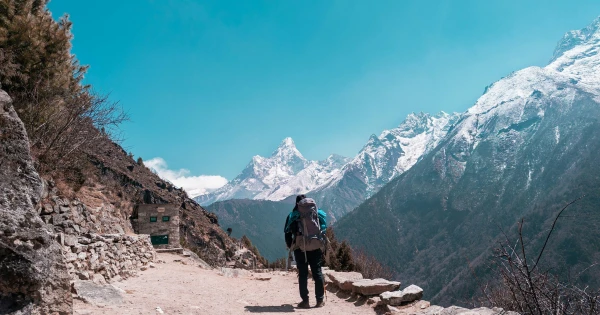
The Annapurna Circuit is the most geographically diverse trek in Nepal. A single circuit moves through subtropical river gorge, rhododendron and oak forest, Gurung and Thakali villages, the high-altitude Manang valley with its Tibetan cultural character, the Thorong La crossing at 5,416 metres, the descent into the arid Kali Gandaki gorge which is one of the deepest valleys on earth, and the temple complex at Muktinath before the circuit returns towards Pokhara.
The landscape variety within a single circuit is the Annapurna Circuit's defining characteristic and the reason it retains its appeal for experienced trekkers who have already completed narrower-focus routes like EBC. No other trek in Nepal packs as much ecological and cultural range into a single itinerary.
The road development of the past fifteen years has altered the lower sections of the circuit on both the eastern and western approaches, routing some of the trail alongside or onto motorable roads. The sections above Manang towards Thorong La and the descent towards Muktinath remain on traditional trail and retain the character of the original circuit. Most trekkers with limited time focus the circuit on the upper sections from Besisahar to Jomsom, which covers the most distinctive terrain.
The Thorong La crossing at 5,416 metres is the highest point on the standard circuit and the most demanding single day. Departure from Thorong Phedi or High Camp typically begins at 4:00 to 5:00 am to clear the pass before the afternoon wind builds. The ascent covers approximately 1,000 metres of altitude gain in three to four hours. The descent to Muktinath drops 1,600 metres over five to six hours. It is a long, physically demanding day and the altitude demands respect regardless of how well the lower circuit has been managed.
Annapurna Base Camp Trek
Duration: 7 to 10 days
Maximum altitude: 4,130m
Difficulty: Moderate
Best season: March to May, October to November
Permits: TIMS card and ACAP permit
Group joining price: From USD 1,100 per person
The Annapurna Base Camp trek places trekkers inside the Annapurna Sanctuary, a natural high-altitude amphitheatre ringed by seven peaks above 6,000 metres including Annapurna I at 8,091 metres and the sacred Machhapuchhre at 6,993 metres. The overnight stop at 4,130 metres puts you inside this amphitheatre rather than looking at it from outside, and the quality of the mountain presence from Base Camp, with the surrounding peaks rising 2,000 to 4,700 metres directly above the campsite, is unlike anything available on a viewpoint-based circuit.
The route passes through Gurung villages including Chhomrong, the hot spring pools at Jhinu Danda on the return descent, and the distinctive transition zone between subtropical lower forest and the high-altitude sanctuary above Deurali. The seven to nine-day duration makes it one of the most time-efficient ways to reach a genuinely iconic Himalayan destination.
Short Circuits: Three to Seven Days
Poon Hill Circuit
Duration: 4 to 5 days
Maximum altitude: 3,210m
Difficulty: Easy to moderate
Best season: Mid-March to May, October to November
Permits: TIMS card (NPR 2,000) and ACAP permit (NPR 3,000)
Group joining price: From USD 650 per person
The Poon Hill circuit is Nepal's most popular short trek and holds that position for clear reasons. The route delivers a 180-degree panorama from 3,210 metres covering Dhaulagiri, Annapurna South, Machhapuchhre, and Annapurna I, a genuine Himalayan summit sunrise experience, Gurung village culture in Ulleri and Ghandruk, and the rhododendron forest of the Annapurna foothills in spring bloom, all within four to five days from Pokhara.
The pre-dawn ascent from Ghorepani to the viewpoint, reaching the ridge as the first light touches Kanchanjunga to the east and moves westward across the full Himalayan chain over twenty minutes, is one of the genuinely transformative experiences available on an easy-grade trek anywhere in the world.
The hardest section is the stone staircase from Tikhedhunga to Ulleri, approximately 3,000 steps over 90 minutes of sustained ascent. Everything else on the circuit is moderate walking through forest and terraced farmland. Children aged seven and above complete this circuit regularly. Adults in their seventies do too.
Spring departures from mid-March through April combine the summit viewpoint with the full rhododendron bloom on the approach trail. These dates book out several weeks in advance. Hiking Nepal recommends securing spring Poon Hill departures by January 2027 at the latest.
Mardi Himal Trek
Duration: 5 to 7 days
Maximum altitude: 4,500m at High Camp, 4,900m at optional viewpoint
Difficulty: Moderate
Best season: March to May, October to November
Permits: TIMS card and ACAP permit
Group joining price: From USD 799 per person
Mardi Himal sits east of the Annapurna Base Camp trail and offers one of the closest perspectives on Machhapuchhre from any accessible trekking route near Pokhara. The upper section above Low Camp is less marked than the standard Poon Hill circuit, which gives the route a more exploratory character and makes a guide with current route knowledge practically essential.
The route suits trekkers who have already done Poon Hill and want more altitude and a less-visited alternative, photographers wanting a distinct angle on the Annapurna range, and anyone who prioritises trail quietness over infrastructure.
Australian Camp and Dhampus Trek
Duration: 2 to 3 days
Maximum altitude: 2,065m at Australian Camp
Difficulty: Very easy
Best season: Year-round
Permits: TIMS card
Group joining price: From USD 320 per person
Australian Camp is thirty minutes by taxi from Pokhara Lakeside and three to four hours of walking from the Kande trailhead. The ridge at 2,065 metres gives a direct line of sight to the Annapurna range. For a traveller with one or two days in Pokhara it is the most efficient introduction to Himalayan trekking available anywhere in Nepal.
The Dhampus extension adds one day and one Gurung village homestay experience that the Australian Camp out-and-back omits. An evening in a family kitchen in Dhampus with a Gurung host, eating food prepared from the village farm, is a different category of experience from a teahouse dinner and justifies the extra day for most travellers who try it.
Off the Beaten Path: Less Visited Routes
Manaslu Circuit Trek
Duration: 13 to 15 days
Maximum altitude: 5,160m at Larkya La Pass
Difficulty: Moderate to challenging
Best season: March to May, September to November
Permits: TIMS card, ACAP permit, and Manaslu Restricted Area Permit (USD 100 to 150)
Group joining price: From USD 1,399per person
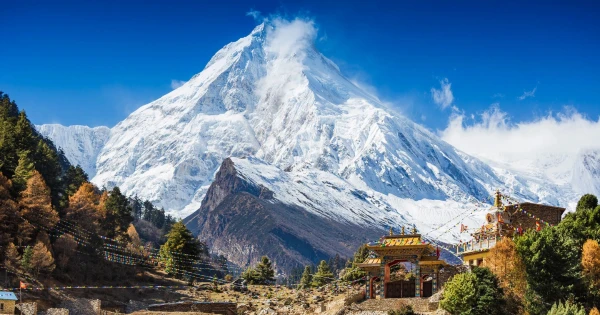
The Manaslu Circuit circumnavigates Mount Manaslu, the eighth-highest mountain in the world at 8,163 metres, and crosses the Larkya La Pass at 5,160 metres. It is a restricted area requiring a mandatory licensed guide and a special permit in addition to standard documentation. The restriction keeps independent trekking off the trail and is the primary reason the circuit retains the character it does: fewer trekkers, more intact Tibetan Buddhist communities, and a genuine sense of remoteness that the open corridors near Pokhara no longer offer.
The upper section from Lho through Sama Gaon and Samdo passes through Tibetan Buddhist communities with active monasteries and a daily life that has not been substantially reorganised around trekking tourism. The Larkya La crossing is the hardest single day on the circuit: a pre-dawn departure at approximately 4:30 am, a 700-metre altitude gain to the summit ridge, and a 1,400-metre descent to Bimthang on the far side over the course of ten to twelve hours.
For detailed costs, a day-by-day account, and everything required to plan a Manaslu Circuit departure, see our dedicated Manaslu Trek Cost 2027 guide.
Tsum Valley Trek
Duration: 14 to 18 days
Maximum altitude: 3,700m
Difficulty: Moderate
Best season: March to May, September to November
Permits: TIMS card, Manaslu Conservation Area permit, and Tsum Valley restricted permit (approximately USD 40)
Group joining price: From USD 1,600 per person
The Tsum Valley is one of the most sacred valleys in Nepal and among the least visited by international trekkers. Sealed off by high ridges and accessible only by a long approach from the Budhi Gandaki river, the valley has been a Tibetan Buddhist sanctuary for centuries. The Mu Gompa monastery above the main valley, the Milarepa cave at Rachen Gompa, and the traditional stone villages of Chhokangparo and Nile are among the most significant cultural sites accessible on a trekking route in Nepal, and all of them are reached without the crowd density that characterises the main Everest and Annapurna corridors.
The Tsum Valley requires a restricted area permit and a licensed guide and is typically combined with the lower Manaslu approach for a combined itinerary of sixteen to twenty days.
Upper Mustang Trek
Duration: 10 to 14 days
Maximum altitude: 3,840m at Lo Manthang
Difficulty: Moderate
Best season: March to November
Permits: TIMS card, ACAP permit, and Upper Mustang Restricted Area Permit (USD 500 for 10 days)
Group joining price: From USD 2,399 per person
Upper Mustang is a former Himalayan kingdom sealed off from foreign visitors until 1992 and still accessed only via a special permit that limits visitor numbers. The landscape is high-altitude Tibetan plateau, arid and wind-sculpted, with ochre cliff faces dotted with ancient cave monasteries above medieval walled villages. The city of Lo Manthang, the ancient capital of the Mustang kingdom at 3,840 metres, is one of the most extraordinary architectural environments accessible on a standard trekking itinerary in South Asia.
The trek does not cross a high pass and reaches only 3,840 metres, making it one of the most culturally rich destinations available at a relatively accessible altitude. It is the right choice for travellers whose primary motivation is cultural depth and visual uniqueness rather than altitude achievement.
Langtang Valley Trek
Duration: 7 to 9 days
Maximum altitude: 3,870m at Kyanjin Gompa, 4,773m at Kyanjin Ri
Difficulty: Moderate
Best season: March to May, October to November
Permits: TIMS card and Langtang National Park permit (NPR 3,000)
Group joining price: From USD 1099 per person
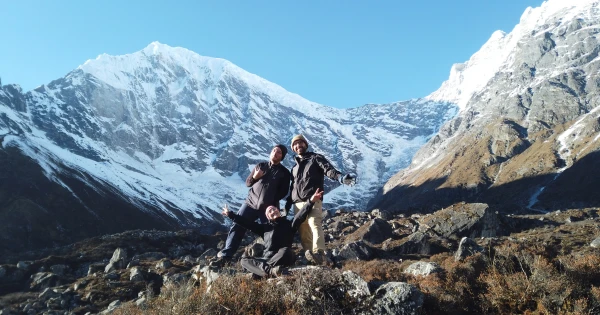
The Langtang Valley is the best trekking option for travellers based in Kathmandu who want mountain access without the six-hour drive to Pokhara. The valley runs north from Syabrubesi, which is a seven to eight-hour drive from the capital, through Tamang cultural territory and into a glacially carved valley with views of Langtang Lirung at 7,227 metres directly above the main trail.
Kyanjin Gompa at 3,870 metres is the final overnight destination on the standard itinerary, and Kyanjin Ri at 4,773 metres is a half-day summit above the village that gives a panoramic view of the Langtang Glacier and the surrounding massif. The optional cheese factory at Kyanjin, producing yak cheese using Swiss techniques introduced in the 1970s, is one of the more surprising cultural stops on any Nepal trekking route.
Rara Lake Trek
Duration: 5 to 7 days from Jumla, plus flights
Maximum altitude: 2,990m
Difficulty: Easy to moderate
Best season: April to June, September to October
Permits: Rara National Park permit (NPR 3,000) and TIMS card
Group joining price: From USD 1,200 per person including flights
Rara Lake in the Mugu district of far-western Nepal is the country's largest lake and one of its least visited. The approach requires a flight from Kathmandu to Nepalgunj and a second flight to Jumla before the trek begins, which keeps visitor numbers very low and the lake environment remarkably intact. The lake at 2,990 metres sits within Rara National Park, which protects populations of red panda, Himalayan black bear, and a diverse high-altitude bird community.
For travellers who want Nepal's natural environment without the social infrastructure of the main corridors, Rara Lake is the destination with the highest reward-to-visitor-density ratio currently accessible on a standard trekking itinerary.
Kanchenjunga Base Camp Trek
Duration: 20 to 25 days
Maximum altitude: 5,143m at North Base Camp
Difficulty: Challenging
Best season: April to May, September to October
Permits: TIMS card, Kanchenjunga Conservation Area permit, and Kanchenjunga Restricted Area Permit
Group joining price: From USD 2,800 per person
The Kanchenjunga Base Camp trek in far-eastern Nepal reaches the foot of the world's third-highest mountain through some of the least-visited wilderness in Nepal. The approach from Taplejung involves a flight from Kathmandu and several days of walking before the route enters the conservation area. Snow leopard, red panda, and Himalayan tahr are present in the upper conservation area, and the near-complete absence of other trekking groups above the lower villages gives the route a quality of solitude that is genuinely rare.
This trek suits experienced high-altitude trekkers with three to four weeks available who want a serious wilderness objective with minimal tourism infrastructure. It requires full expedition-standard camping logistics on the upper sections where teahouse accommodation does not exist.
Route Comparison at a Glance
Trek | Duration | Max Altitude | Difficulty | Group Price From | Best For |
| Everest Base Camp | 12 to 14 days | 5,364m | Moderate | USD 1,650 | Iconic achievement, Sherpa culture |
| Annapurna Circuit | 14 to 18 days | 5,416m | Moderate | USD 1,350 | Landscape variety, cultural range |
| Annapurna Base Camp | 7 to 10 days | 4,130m | Moderate | USD 1,100 | Sanctuary views, manageable duration |
| Manaslu Circuit | 13 to 15 days | 5,160m | Moderate | USD 1,800 | Solitude, Tibetan culture |
| Poon Hill | 4 to 5 days | 3,210m | Easy | USD 650 | First-timers, spring bloom |
| Mardi Himal | 5 to 7 days | 4,500m | Moderate | USD 720 | Machhapuchhre views, quiet trail |
| Langtang Valley | 7 to 9 days | 4,773m | Moderate | USD 950 | Kathmandu-based, Tamang culture |
| Upper Mustang | 10 to 14 days | 3,840m | Moderate | USD 2,200 | Tibetan culture, unique landscape |
| Tsum Valley | 14 to 18 days | 3,700m | Moderate | USD 1,600 | Sacred valley, deep cultural access |
| Australian Camp | 2 to 3 days | 2,065m | Very easy | USD 320 | First introduction, limited time |
| Rara Lake | 5 to 7 days | 2,990m | Easy | USD 1,200 | Nature, far west Nepal |
| Kanchenjunga BC | 20 to 25 days | 5,143m | Challenging | USD 2,800 | Wilderness, experienced trekkers |
Trekking Costs in Nepal 2027: The Complete Breakdown
Nepal trekking costs vary more widely than almost any other adventure travel category, for one primary reason: the thing being sold varies widely. A USD 400 Poon Hill package and a USD 1,800 private Manaslu departure are not two prices for the same experience. Understanding what drives each cost line is the foundation of any sensible Nepal trekking budget.
What Drives Trekking Costs
Guide qualification. A licensed, WAFA-certified guide with high-altitude medicine training costs more to employ than a basic licensed guide. The difference matters most above 4,000 metres and in emergencies, which is precisely when it matters most to the trekker.
Porter welfare. A contracted porter with a written employment agreement, wages above the IPPG regional minimum, load limits enforced at 20 kilograms, and full equipment provision costs more than a freelance trailhead hire. The saving on the cheaper option has a human cost that the headline price conceals.
Lodge selection and pre-booking. Pre-inspected, pre-booked accommodation at confirmed teahouses adds operational cost and eliminates the uncertainty of arriving at a peak-season overnight stop to find no private rooms available.
Safety equipment. Supplemental oxygen, a pulse oximeter, altitude medications, and satellite communication equipment cost money to procure and carry. Budget packages frequently omit one or more of these.
Group size. A guide's attention divided across twelve trekkers is qualitatively different from the same guide focused on four. Safety monitoring, cultural access, and pace calibration all improve with lower ratios.
Money-Saving Advice That Does Not Compromise Safety
Travel in shoulder season. The last two weeks of September, the first two weeks of November, and the first two weeks of March offer conditions close to peak season with lower accommodation pressure and in some cases lower food costs. The trekking experience in these windows is comparable to peak season.
Travel in a group of three or four rather than as a couple or solo. The per-person cost of a private guide, vehicle transfer, and porter allocation drops significantly with each additional trekker. A four-person private departure with Hiking Nepal reduces the per-person package cost by USD 150 to 250 compared to a two-person departure.
Hire equipment in Thamel rather than buying it for a single trip. A full equipment hire package covering sleeping bag, down jacket, trekking poles, and waterproof jacket for fourteen days costs approximately USD 100 to 140 in Kathmandu. Buying equivalent gear costs USD 280 to 680. For most travellers doing one or two Nepal treks in their lifetime, hire is the economically rational choice.
Buy snacks, any gear that can sensibly be purchased, and personal medical supplies in Kathmandu before departure. Trail prices at altitude are two to three times city prices and the selection is narrower.
Nepal Trekking Permits 2027: Everything You Need to Know
The Permit Structure
Nepal's permit system has three layers. Understanding which applies to your specific route before you arrive saves time, money, and the experience of being turned back at a checkpoint.
The TIMS card (Trekkers' Information Management System) is required for all trekking in Nepal regardless of route or operator status. For trekkers with a registered agency, the cost is NPR 2,000. Applications require a passport copy and two passport-sized photographs.
Conservation area and national park permits are route-specific. The Annapurna Conservation Area Permit (ACAP) at NPR 3,000 covers the Annapurna, Poon Hill, Mardi Himal, and Ghorepani routes. The Sagarmatha National Park permit at NPR 3,390 including VAT covers the Everest region. The Langtang National Park permit at NPR 3,000 covers the Langtang Valley and Helambu routes. The Khumbu Pasang Lhamu Rural Municipality permit at NPR 3,000 is an additional requirement for the Everest region and is collected separately from the national park permit.
Restricted area permits are the third layer and apply to Manaslu, Upper Mustang, Tsum Valley, Nar Phu Valley, Dolpo, and Kanchenjunga. These require a minimum of two trekkers and a licensed guide through a registered agency. They cannot be obtained independently. The Manaslu Restricted Area Permit costs USD 100 for the first seven days in the zone and USD 15 per additional day. The Upper Mustang Restricted Area Permit costs USD 500 for ten days. The Tsum Valley permit costs approximately USD 40.
Where and How to Get Permits
All standard permits, including TIMS cards, ACAP permits, Sagarmatha National Park permits, and Langtang National Park permits are available in Kathmandu at the Nepal Tourism Board office and the TAAN office, and in Pokhara for the Annapurna region permits. Processing takes one to two hours for standard permits.
Restricted area permits are processed through registered trekking agencies in Kathmandu and require advance applications with specific documentation. Hiking Nepal handles all permit applications for every departure as part of the standard package. Clients provide passport copies and photographs and permits are collected by the operations team before the trek begins.
2027 Permit Updates
Nepal has been phasing in digital permit processing through the Nepal Tourism Board's integrated system. E-permits are expected to be more widely available in 2027 for standard conservation area routes. Restricted area permits will continue to require physical processing through registered agencies.
The Upper Mustang daily fee system was revised in 2026 with an additional NPR 50 per day environmental levy introduced. Permit fees for restricted areas are subject to annual government review and travellers planning 2027 departures should verify current fee structures directly with Hiking Nepal at the time of booking rather than relying on figures published more than six months before departure.
Best Time to Trek in Nepal in 2027
The Four Seasons
Spring from March to May is the premium trekking season for most high-altitude routes. The weather stabilises after the winter cold, visibility is at its clearest before pre-monsoon haze builds in the valleys, and the rhododendron forests at 2,000 to 3,500 metres across the Annapurna foothills and the Langtang lower valley bloom in successive waves of red, pink, and white from mid-February through April. Spring is the best season for the Poon Hill circuit, the Langtang Valley, and the Manaslu Circuit. It is also the main climbing season on the 8,000-metre peaks, which means the Everest region is busiest during April and May. October is the better Everest window for trekkers who want fewer groups on the trail.
Autumn from September to November offers the best post-monsoon clarity of the year. The monsoon washes the valleys clean through August and by late September the air is typically clear, the peaks are freshly snow-covered, and the light has a quality that makes mountain photography at its best. Trails are dry and firm. This is the highest-demand trekking season overall and the October window in particular is the busiest period of the year on all major circuits. November is quieter than October and the clarity remains excellent through mid-November, though temperatures at altitude drop significantly in the final weeks of the month.
Monsoon from June through August brings persistent heavy rain to the mid-hills and lower mountains. High-altitude routes including EBC, Annapurna Circuit, and Manaslu are not recommended during the core monsoon months. Lower-altitude options including Dhampus, Australian Camp, and the lower Langtang Valley are manageable on clear days with waterproof gear. The rain-shadow regions of Upper Mustang and Lower Dolpo are the main exception: shielded from the monsoon by the high Himalaya, these areas are actually best visited in June and July when lower-altitude Nepal is wet and difficult.
Winter from December through February is cold, quiet, and clear. High-altitude passes including Thorong La on the Annapurna Circuit, Larkya La on the Manaslu Circuit, and the approaches to EBC are open in winter but require full cold-weather gear and carry a higher avalanche risk on some sections. Short low-altitude circuits including Poon Hill, Dhampus, Australian Camp, and the cultural walks around Kathmandu and Pokhara are very good in winter: quiet trails, excellent visibility on clear days, and accommodation prices at their lowest of the year.
Month by Month Guide for 2027
Month | Conditions | Best Routes | Crowd Level |
| January | Cold, clear, quiet | Poon Hill, Dhampus, Australian Camp | Very low |
| February | Cold improving, fewer crowds than March | Poon Hill, Langtang, short Annapurna routes | Low |
| March | Spring begins, rhododendrons at lower altitude | Poon Hill, Langtang, Manaslu, EBC | Moderate and building |
| April | Peak spring, best views, busiest | All major routes | High |
| May | Hot at low altitude, clear at height | Manaslu, Upper Mustang, EBC | Moderate |
| June | Monsoon begins, rain-shadow regions open | Upper Mustang, Lower Dolpo | Very low |
| July | Heaviest rain, high altitude routes not recommended | Upper Mustang, cultural Kathmandu Valley | Very low |
| August | Rain tapering, lush lower trails | Short circuits near Pokhara | Very low |
| September | Autumn begins, conditions improving | Manaslu, Annapurna routes | Low to moderate |
| October | Peak autumn, best clarity, busiest | All major routes | Very high |
| November | Clear and cool, quieter than October | EBC, Langtang, Annapurna Base Camp | Moderate |
| December | Winter begins, very quiet | Poon Hill, Dhampus, cultural walks | Very low |
Trekking Health and Altitude Safety in Nepal
Understanding Altitude Sickness
Acute Mountain Sickness is the most significant medical risk in Himalayan trekking. It is caused by ascending to high altitude faster than the body can adapt its oxygen-uptake mechanisms, and it affects people of all fitness levels and prior experience. Fitness does not protect against AMS. Prior altitude experience reduces but does not eliminate the risk.
The symptoms of mild AMS are persistent headache, nausea, loss of appetite, unusual fatigue, and disturbed sleep. These symptoms at or above 3,000 metres should be taken seriously if they persist after rest, hydration, and a meal. The clinical principle for managing AMS is simple: if symptoms do not resolve within a few hours of rest at the same altitude, descend. Descent of 300 to 500 metres resolves AMS symptoms in most cases.
The more serious altitude conditions, High Altitude Pulmonary Oedema and High Altitude Cerebral Oedema, are medical emergencies requiring immediate descent and in serious cases helicopter evacuation. HAPE involves fluid accumulating in the lungs and presents with breathlessness at rest, a productive cough, and deteriorating oxygen saturation. HACE involves fluid accumulating around the brain and presents with severe headache, confusion, loss of coordination, and reduced consciousness. Both conditions can develop rapidly and both require immediate descent rather than rest at the same altitude.
Preventing Altitude Sickness
The most effective prevention is a gradual ascent profile. The Wilderness Medical Society recommends gaining no more than 300 to 500 metres of sleeping altitude per day above 3,000 metres, with a rest day at the same altitude for every 1,000 metres gained. Hiking Nepal designs all itineraries around this guideline. The acclimatisation days in the standard EBC, Manaslu, and Annapurna Circuit itineraries are not optional enhancements. They are the physiological foundation on which the upper sections of these routes are safely possible.
Hydration is the second most important preventive measure. Drink three to four litres of fluid per day at altitude regardless of thirst level. Pale yellow urine is the target. Dark urine is a dehydration warning.
Diamox (acetazolamide) is the most widely used pharmaceutical preventive for AMS. It works by stimulating faster breathing, which accelerates the body's acclimatisation process. It is not a substitute for correct itinerary pacing but can be a useful supplement for trekkers with a history of altitude sensitivity. Consult a GP or travel medicine physician before departure if you are considering Diamox. It is not recommended for children under 12 except under paediatric medical guidance and carries contraindications for sulfa drug allergies.
What Hiking Nepal Carries on Every Departure
All Hiking Nepal guides on departures above 3,000 metres carry a calibrated pulse oximeter for twice-daily oxygen saturation monitoring, supplemental oxygen with a regulator and appropriate masks, a first-aid kit with altitude medications including dexamethasone and nifedipine for serious altitude conditions, a satellite communication device on routes above 3,500 metres or in areas with unreliable mobile coverage, and a written emergency action plan for the specific route including helicopter landing zones and evacuation protocols.
A portable altitude chamber (Gamow bag) is carried on all departures above 4,000 metres with overnight stops. The Gamow bag simulates the physiological effects of descending 1,500 metres without moving the patient and can stabilise a seriously altitude-affected trekker while evacuation is arranged.
Trekking Gear and Packing for Nepal in 2027
The Packing Principle
Nepal trekking gear should follow two principles: layered adequacy and functional minimalism. You need enough clothing to be comfortable in all likely conditions, light enough to carry your daypack for six hours without it affecting your pace, and organised so that critical items are accessible without unpacking. Porters carry main luggage duffels on all Hiking Nepal departures, which means your daypack carries only what you need immediate access to on the trail.
The Core Packing List
Clothing: Merino wool or synthetic thermal base layer top and bottom in two sets; mid-layer fleece jacket easy enough to put on and remove independently; down jacket rated to minus ten degrees Celsius minimum for any route with overnight stays above 3,000 metres; waterproof and windproof outer shell jacket; two pairs of trekking trousers; warm hat covering the ears; lightweight sun hat with a full brim; neck gaiter or buff; liner gloves and windproof outer gloves; four to five pairs of merino wool trekking socks.
Footwear: Waterproof trekking boots broken in before the trek. This is the most important item on the list and the most frequently underestimated. Boots that are not properly broken in produce blisters within the first two days. Blisters on a trekking foot are a morale problem on Day 2 and a genuine physical limitation by Day 5.
Equipment: Daypack fifteen to twenty litres with a rain cover; headtorch with spare batteries; one-litre reusable water bottle; trekking poles for any route with significant descent sections; portable power bank; sunglasses with UV400 and Category 3 protection.
Health essentials: SPF 50 sunscreen applied every morning above 2,000 metres; blister plasters in larger quantities than seem necessary; paracetamol and antihistamine in appropriate doses; oral rehydration sachets; personal medications with a three-day buffer; prescribed emergency medications where relevant.
Documents: Passport with at least six months validity beyond your departure date; two passport-sized photographs for permit applications; travel insurance documentation; emergency contact details for Hiking Nepal and your home emergency contact.
What to Hire in Kathmandu Rather Than Buy
For trekkers doing one or two Nepal trips, hiring in Thamel rather than purchasing gear at home or in Nepal saves USD 200 to 400 and reduces luggage weight for the international flight. The following items are reliably available for hire in good condition from established Thamel gear shops: sleeping bag rated to minus ten degrees Celsius at USD 2 to 4 per day; down jacket at USD 3 to 6 per day; trekking poles at USD 2 to 4 per day; waterproof jacket at USD 2 to 4 per day; backpack at USD 2 to 4 per day.
A full two-week hire package for all of the above costs approximately USD 100 to 140. Hiking Nepal recommends arriving in Kathmandu at least one full day before the trek to allow a complete morning for gear hire, fitting, and deposit payment without time pressure.
Cultural Respect and Responsible Trekking
Understanding What You Are Walking Through
Nepal's trekking routes pass through living communities whose daily life, religious practice, and land use exist independently of the trekking economy that has grown up around them. The prayer flags, mani walls, monasteries, and religious festivals along the trail are not heritage displays maintained for visitor interest. They are active expressions of a living cultural and spiritual tradition. Behaving accordingly is the foundation of responsible trekking in Nepal.
Walk clockwise around mani walls and stupas. Remove boots before entering monasteries or temples. Ask before photographing individuals, particularly monks, elderly people, and children. Dress modestly through village sections, covering shoulders and knees in community areas and religious sites. Use your right hand for giving and receiving in any transaction or offering. Greet with Namaste, hands pressed together, which is universally understood and universally appreciated.
A few basic Nepali phrases go a long way. Namaste is hello. Dhanyabad is thank you. Ramro means good or beautiful. Kati paisa? means how much? Even approximate pronunciation of these is met with warmth and the social quality of encounters on the trail is noticeably different when you approach them with at least some linguistic intention.
Environmental Responsibility
Hiking Nepal operates a plastic-free policy on all departures. Every client receives a stainless-steel reusable bottle before departure. Lodges on the Hiking Nepal preferred network provide filtered water refills rather than single-use plastic bottles. Where water quality is uncertain, guide-carried purification tablets are used rather than bottled water.
All non-biodegradable waste generated on a Hiking Nepal departure is carried out of protected areas by the porter team and disposed of at the first managed waste facility below the trekking zone. Hiking Nepal does not leave waste at altitude disposal points that are already at capacity.
Firewood is not used for cooking or heating on any Hiking Nepal departure. Gas or solar systems are used at all lodges. On camping routes, a portable gas kitchen is standard equipment.
A conservation contribution beyond the mandatory permit fees is included in every Hiking Nepal departure. In 2027, this contribution supports the Annapurna Conservation Area Programme community forestry initiative and the Sagarmatha Pollution Control Committee waste management operations in the Khumbu.
How to Book a Trek with Hiking Nepal
The Booking Process
Contact Hiking Nepal by email at [email protected] or by WhatsApp at +977 9802342080 with your preferred route, travel dates, group size, and any relevant information about fitness level or dietary requirements. A full itinerary and cost proposal is provided within 48 hours.
A deposit of 20 to 30 per cent of the total package cost secures your departure date. The balance is due 30 days before departure. Booking confirmation includes a gear list, permit documentation requirements, and logistics information for the pre-trek briefing.
What Every Hiking Nepal Package Includes
Every package includes a licensed WAFA-certified guide dedicated to your group; contracted porters at full IPPG welfare standards with load limits enforced; pre-selected and pre-booked accommodation at inspected teahouses; all meals from the first overnight to the final morning; all permit fees including TIMS card, conservation area or national park permits, and restricted area permits where applicable; private vehicle ground transfers from Kathmandu or Pokhara to the trailhead and return; a pulse oximeter for daily altitude monitoring; a full first-aid kit with altitude medications; a satellite communication device on routes above 3,500 metres or in remote areas; and 24-hour emergency coordination from the Hiking Nepal operations team throughout the trek.
Not included in any package: international flights to and from Nepal; Nepal visa fees of USD 30 to 50 depending on duration; travel and medical evacuation insurance which is mandatory and verified at the pre-trek briefing; domestic flights where required such as Kathmandu to Lukla for EBC; tips for guides and porters; personal spending on trail including hot showers, Wi-Fi, battery charging, and snacks beyond the three included daily meals.
Cancellation Policy
Cancellations made 60 or more days before departure receive a full refund minus any permit processing costs already incurred. Cancellations between 30 and 59 days before departure receive a 50 per cent refund. Cancellations within 30 days of departure are not refundable, though Hiking Nepal will make reasonable efforts to transfer the booking to an alternative departure date where this is operationally possible.
Frequently Asked Questions
Do I need a guide for trekking in Nepal in 2027?
Nepal's 2026 No Solo Trekking regulation requires foreign nationals to trek with a licensed guide in national parks and conservation areas, which covers the majority of the main trekking routes. Restricted area routes including Manaslu, Upper Mustang, Tsum Valley, and Kanchenjunga have required licensed guides through registered agencies since the restricted area permit system was established. In practical terms, a licensed guide on a Nepal trek adds safety monitoring, cultural interpretation, navigation, permit management, and emergency response capability that have real value entirely independent of the regulatory requirement.
How far in advance should I book a Nepal trek for 2027?
For peak season departures in April and October on major routes, three to four months in advance is strongly advisable for private departures and six to eight weeks for group joining spots. For restricted area routes including Manaslu and Upper Mustang, permit processing requires a minimum of two to four weeks before departure and early booking is advisable given permit quota limitations. Outside peak windows, Hiking Nepal can confirm most departures within one to two weeks and some standard circuits within 48 hours.
Is travel insurance mandatory for Nepal trekking?
Yes. All Hiking Nepal departures require documentation of travel insurance covering helicopter evacuation from altitude, emergency medical treatment in Nepal, and repatriation. A helicopter evacuation from a high-altitude trekking route in Nepal costs USD 2,500 to 5,000. Standard high-street travel insurance frequently excludes trekking above 2,000 metres. Specialist adventure travel policies from World Nomads, True Traveller, BUPA Adventure, and IMG include the necessary coverage. The annual cost difference between standard and specialist adventure coverage is modest relative to the evacuation cost it covers.
What is the single most common mistake in Nepal trek planning?
Moving too fast at altitude. The most common cause of a trek ending prematurely, through illness or forced early descent, is an itinerary that gains altitude too quickly, either through an aggressive schedule or through skipping designated acclimatisation days to save time. The 300 to 500 metre per day sleeping altitude guideline exists because the physiology of altitude adaptation is well understood and consistent. Departing from it in either direction has predictable consequences.
Can I trek in Nepal during the monsoon?
The main high-altitude circuits including EBC, Annapurna Circuit, and Manaslu are not recommended during June through August. Lower-altitude circuits near Pokhara including Dhampus and Australian Camp are manageable with waterproof gear. Upper Mustang and the Lower Dolpo region are rain-shadow areas that are actually well-suited to monsoon season trekking. The Langtang Valley in August, when the monsoon begins to taper and the forest is at its most lush, is an underutilised trekking window that Hiking Nepal recommends for travellers with flexible timing and an interest in avoiding peak-season crowds.
What is the best first Nepal trek for a complete beginner?
Australian Camp and Dhampus for two to three days as an absolute introduction. The Poon Hill circuit for four to five days as a first proper Himalayan circuit. Both are appropriate for adults with no prior trekking experience who are in reasonable physical condition. The Langtang Valley is the best seven to nine-day option for a first trek from Kathmandu.
Plan Your Nepal Trek with Hiking Nepal
Nepal in 2027 is ready for you. The trails are better marked than they have been at any point in the past decade. The teahouse network continues to improve in quality and coverage. The permit system, while more regulated than five years ago, is straightforward to navigate with an experienced operator. And the mountains themselves, unchanged by any of this, remain precisely what they have always been.
Hiking Nepal runs private guided departures and small group joining departures on every route described in this guide throughout the spring and autumn seasons of 2027. Spring 2027 departures open for booking from October 2026. Autumn 2027 departures open from March 2027. Peak season dates fill earliest on the Poon Hill circuit, the EBC route, and all restricted area permits.
Contact Hiking Nepal by WhatsApp at +977 9802342080 or by email at [email protected] to discuss your preferred dates, the right route for your time and fitness, and a full personalised quote for your 2027 departure. A response and itinerary proposal arrives within 48 hours.
The Himalaya is waiting. The only decision left is which part of it you want to see first.