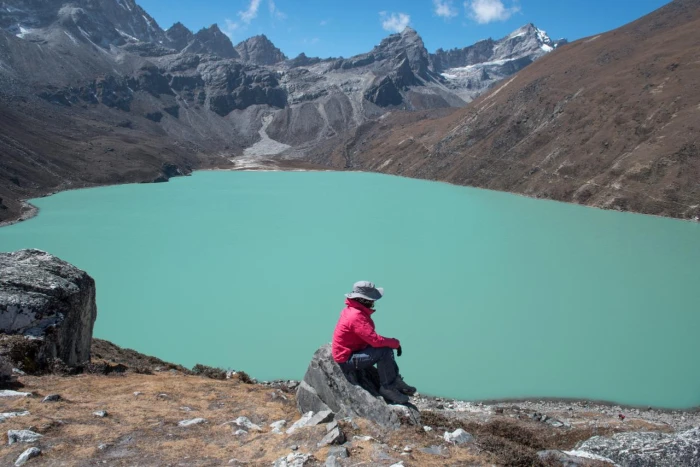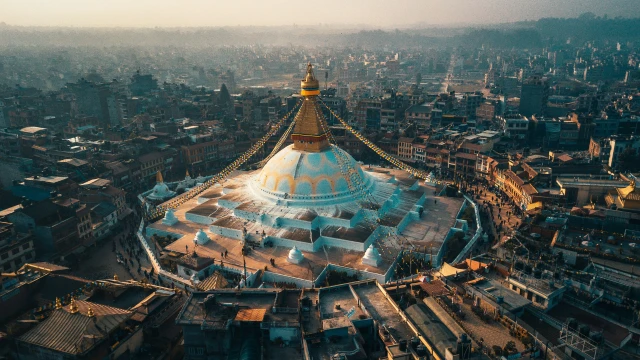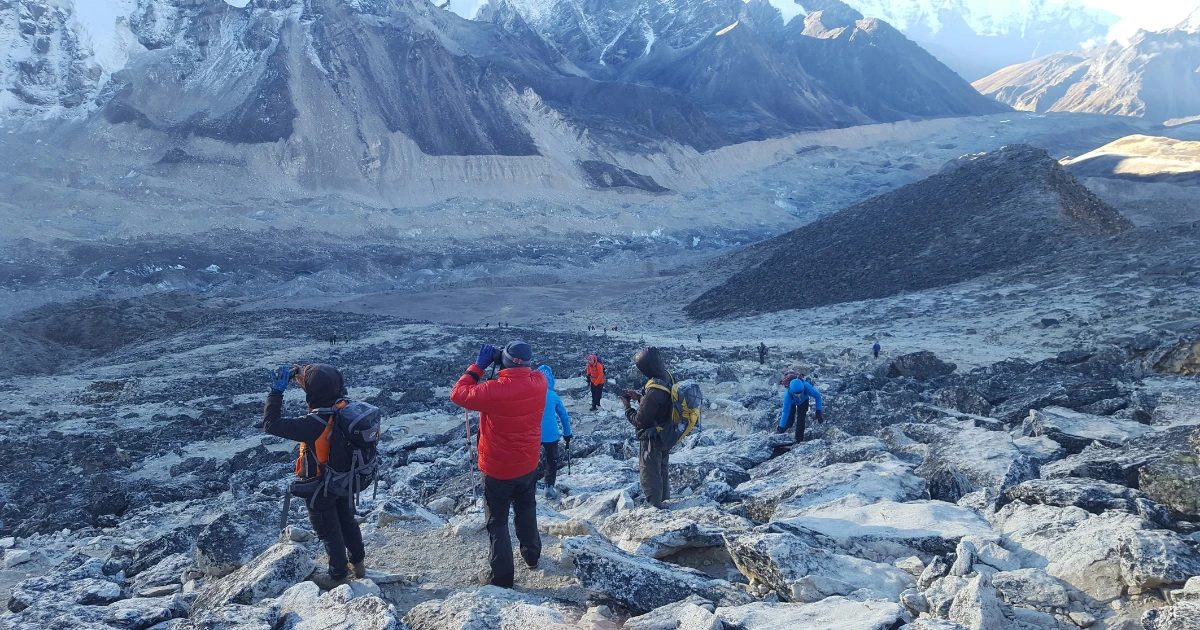
Travelling solo in Nepal is straightforward, enjoyable, and increasingly common. Trekking solo in Nepal is a different matter. The terrain is serious, the altitude is real, and the logistical complexity of permits, porters, and route decisions in a mountain environment is considerably easier to manage with an experienced guide alongside you and a small group of other trekkers for company and mutual support.
Group trekking as a solo traveller is not a compromise between independent adventure and packaged tourism. It is the format in which most of Nepal's finest trekking experiences are best delivered. A small group of four to eight people sharing a licensed guide, walking the same route at a pace set by experience rather than ambition, eating in the same teahouse dining room each evening, and supporting each other through the harder days is the standard around which Nepal's trekking infrastructure has been built.
This guide covers the best group trek routes in Nepal for solo travellers in 2027, with practical information on each route, what Hiking Nepal's group departures include, how to choose the right trek for your time and fitness level, and what solo travellers consistently find most valuable about the group format.
Why Group Trekking Makes Sense for Solo Travellers in Nepal
Safety on the Trail
The mountains do not adjust their conditions to suit individual schedules. Altitude sickness develops regardless of how experienced or physically fit you are. Trail conditions change with weather. Navigation errors on unmarked high-altitude sections happen to confident trekkers as well as uncertain ones.
A licensed guide on a group departure monitors every member's altitude response daily using a pulse oximeter, sets a pace calibrated to the least well-acclimatised person in the group, carries a first-aid kit with altitude medications, and has a clear emergency protocol including a satellite communication device on remote routes. For a solo traveller joining a Hiking Nepal group departure, this safety infrastructure is included as standard rather than being something you need to research, procure, and manage yourself.
Nepal's 2026 No Solo Trekking regulation formalised what experienced guides had long advised: trekking alone in national parks and conservation areas carries risks that are materially reduced by having a licensed guide present. Group departures satisfy this requirement automatically.
The Social Dimension
There is a particular quality to friendships formed on a multi-day trek. The combination of physical challenge, shared discomfort, extraordinary scenery, and the enforced simplicity of life in a teahouse accelerates the development of genuine connections between people who would otherwise be strangers. Most solo travellers who join Hiking Nepal group departures exchange contact details with at least one other trekker before the circuit ends. A significant proportion plan subsequent travel together.
This is not a minor secondary benefit. For many solo travellers it is the primary reason they chose Nepal and the format they will describe most vividly when they return home.
Cost Efficiency
A private guided trek in Nepal allocates the full cost of the guide, the porter, and the operational infrastructure to a single trekker or couple. Joining a group departure splits these costs across four to eight people. For a solo traveller considering the Everest Base Camp route, this difference amounts to USD 300 to 500 in real cost savings on a standard package. For shorter circuits like Poon Hill, the saving is proportionally similar.
Logistics Without Stress
Permits for the major trekking routes in Nepal involve paperwork, photographs, and advance applications in specific cases. Transport to trailheads requires local knowledge and language fluency to book effectively. Teahouse accommodation at popular overnight stops during peak season benefits from advance reservations. Hiking Nepal handles all of this for every group departure. The trekker's only logistical responsibility is arriving in Kathmandu or Pokhara on the agreed date with the right gear.
The Best Group Trek Routes for Solo Travellers in 2027
Poon Hill Circuit
Duration: 4 to 5 days Maximum altitude: 3,210m Difficulty: Easy to moderate Group size: 4 to 6 trekkers Best season: Mid-March to May, October to November Group joining price: From USD 650 per person
The Poon Hill circuit is the most consistently recommended starting point for solo travellers joining a first Nepal group trek. The duration is short enough to fit into a week of available time, the difficulty is accessible for most adults with a reasonable fitness baseline, and the pay-off at the Poon Hill viewpoint, a 180-degree panorama of Dhaulagiri, Annapurna South, Machhapuchhre, and Annapurna I at pre-dawn, is immediate and unambiguous.
The social dynamic on Poon Hill group departures tends to be warm from the first evening. The shared pre-dawn wake-up at Ghorepani and the walk to the summit ridge in darkness with headtorches and the cold as a shared physical reference point creates an immediate sense of collective purpose. By the time the light arrives over the peaks, most groups have already developed the easy conversational rhythm that carries through the rest of the circuit.
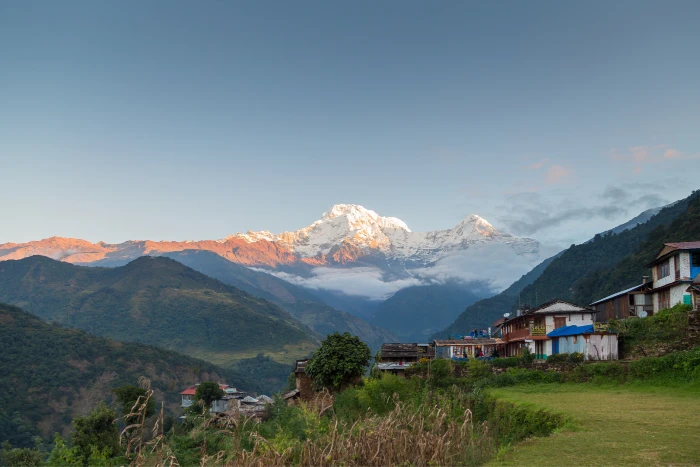
The circuit passes through Gurung villages, including Ulleri, Nangethanti, and Ghandruk, whose architecture, weaving traditions, and cultural calendar are distinct from the trekking infrastructure around them and provide genuine cultural depth alongside the mountain views. In spring, the rhododendron forest between Tikhedhunga and Ghorepani is in full bloom, a visual feature of the approach trail that solo travellers consistently photograph and describe as a highlight equal to the summit view.
This trek suits first-time Nepal trekkers, solo travellers with one week or fewer, those wanting a complete but compact Himalayan experience, and anyone who wants to meet other travellers in a setting that encourages genuine connection rather than brief conversation.
Ghorepani Poon Hill Extended Loop
Duration: 5 to 7 days Maximum altitude: 3,210m Difficulty: Easy to moderate Group size: 4 to 6 trekkers Best season: March to May, October to November Group joining price: From USD 820 per person
The extended Ghorepani loop adds the Tadapani to Ghandruk section to the standard Poon Hill circuit, giving the route a broader cultural footprint and a more complete experience of the Annapurna foothills. For solo travellers who have a week rather than five days, or who want the added depth of a full afternoon in Ghandruk village rather than passing through, this is the recommended version.
The longer duration also allows the group dynamic to develop more fully. By Day 5 or 6, the social structure of the group tends to be established, friendships are more settled, and the final descent to Nayapul carries a quality of shared accomplishment that is more pronounced than on the shorter circuit.
Mardi Himal Trek
Duration: 5 to 7 days Maximum altitude: 4,500m at High Camp, 4,900m at optional viewpoint Difficulty: Moderate Group size: 4 to 6 trekkers Best season: March to May, October to November Group joining price: From USD 720 per person
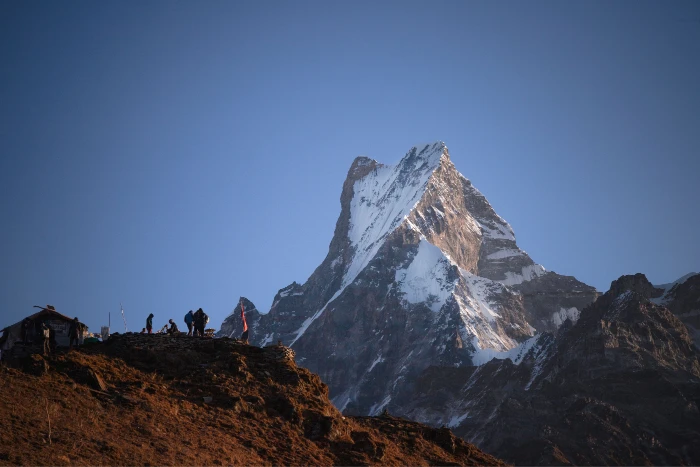
Mardi Himal sits east of the Annapurna Base Camp trail and offers one of the closest perspectives on Machhapuchhre (Fishtail Peak) at 6,993 metres from any accessible trekking route near Pokhara. The trail is less marked above Low Camp than most Annapurna routes, which makes a knowledgeable guide practically essential rather than merely advisable.
For solo travellers, Mardi Himal offers the particular appeal of a less-visited route where the group feels genuinely off the main trekking corridor. The summit day push from Low Camp to High Camp and on to the optional viewpoint at approximately 4,900 metres is the most technically engaging day on any short circuit near Pokhara, and the mutual encouragement within the group on this section is one of the more memorable aspects of the trek for most participants.
The route suits solo travellers who have already done Poon Hill, who want more altitude and less crowd density, and who want a photography perspective on the Annapurna range that is distinct from any viewpoint on the standard circuits.
Annapurna Base Camp Trek
Duration: 7 to 10 days Maximum altitude: 4,130m Difficulty: Moderate Group size: 6 to 8 trekkers Best season: March to May, October to November Group joining price: From USD 1,100 per person
The Annapurna Base Camp trek brings trekkers into the Annapurna Sanctuary, a high-altitude bowl surrounded by Annapurna I at 8,091 metres, Annapurna South, Hiunchuli, and Machhapuchhre, and offers an overnight stay inside this amphitheatre rather than a viewpoint from outside it. The difference between looking at Annapurna from Poon Hill and sleeping at the foot of the mountain at 4,130 metres is not one of degree. It is one of kind.
The seven to ten-day duration gives a group departure enough time to develop a genuine travel identity. By the time the group descends from ABC and stops at the hot spring bathing pools at Jhinu Danda on the return route, the social ease of the group is typically complete. Jhinu Danda, where natural hot spring water channels into stone bathing pools above the Modi Khola river, is consistently one of the highlights solo travellers describe from this trek, and it is considerably more enjoyable in a group than alone.
This route suits solo travellers with one week to ten days available, a prior experience of multi-day walking or an active lifestyle that includes regular hill walking, and an interest in the Annapurna region specifically.
Langtang Valley Trek
Duration: 7 to 9 days Maximum altitude: 3,870m at Kyanjin Gompa, 4,773m at Kyanjin Ri (optional) Difficulty: Moderate Group size: 4 to 6 trekkers Best season: March to May, October to November Group joining price: From USD 950 per person
The Langtang Valley is the best group trek option for solo travellers based in Kathmandu who want to avoid the six-hour drive to Pokhara and access the mountains directly from the capital. The drive to Syabrubesi takes seven to eight hours and is the main logistical commitment, but the Langtang Valley itself has a cultural and ecological character distinct from the Annapurna routes near Pokhara.
The valley is home to Tamang communities with a rich cultural calendar and a distinct language, architecture, and religious practice that the Gurung villages of the Annapurna foothills do not replicate. The Langtang National Park lower sections have some of the finest temperate forest in Nepal, with old-growth rhododendron, oak, and maple at lower altitudes giving way to fir and juniper as the trail climbs into the valley proper. Red panda habitat exists in the forest sections, and an experienced guide can identify tracks and evidence of the species even where sightings are not forthcoming.
Kyanjin Gompa at 3,870 metres is the overnight destination for the summit of the valley, and the optional ascent of Kyanjin Ri at 4,773 metres the following morning gives a panoramic view of the Langtang Glacier and the massif above. This optional summit is one of the better altitude objectives on any group joining departure in Nepal within a seven-day window.
Everest Base Camp Trek
Duration: 12 to 14 days Maximum altitude: 5,364m at EBC, 5,545m at Kalapatthar (optional) Difficulty: Moderate to challenging Group size: 6 to 8 trekkers Best season: March to May, October to November Group joining price: From USD 1,650 per person
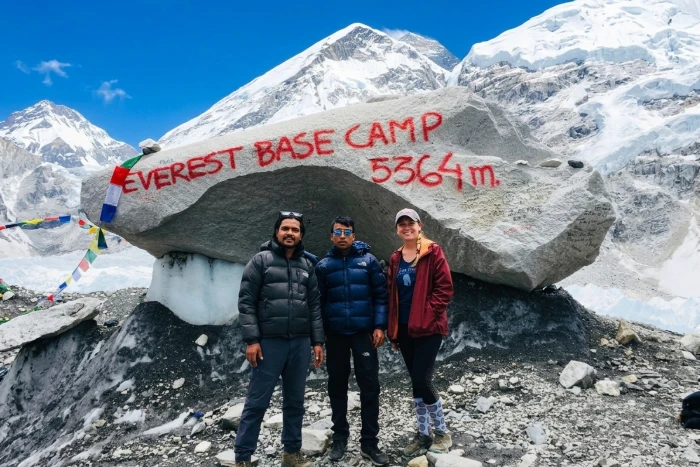
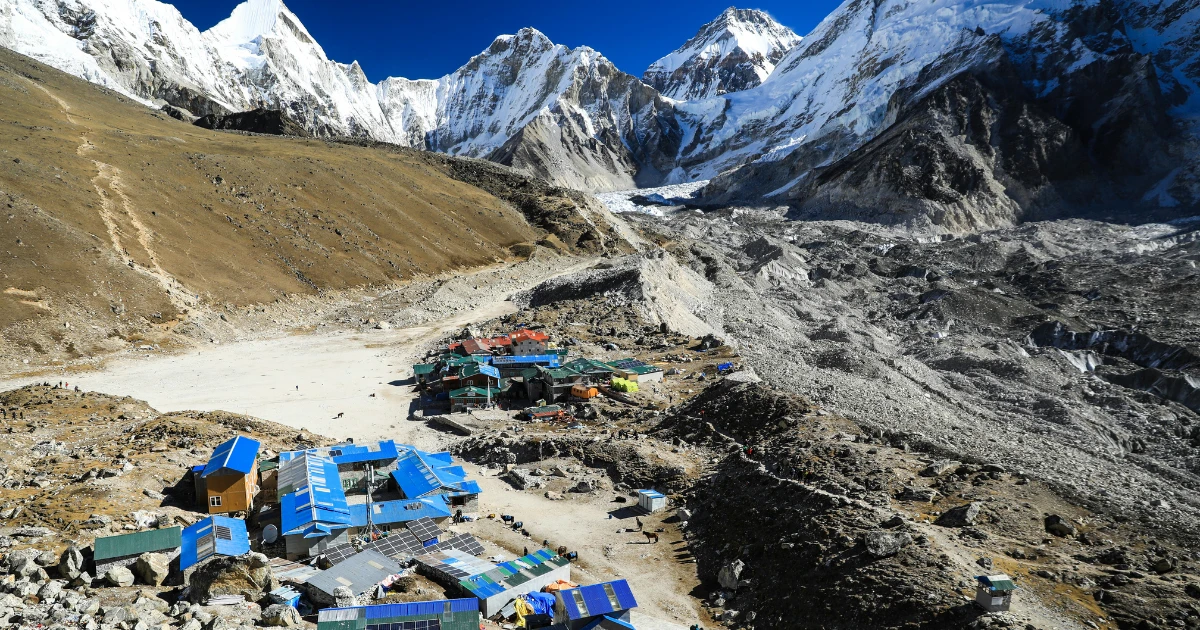
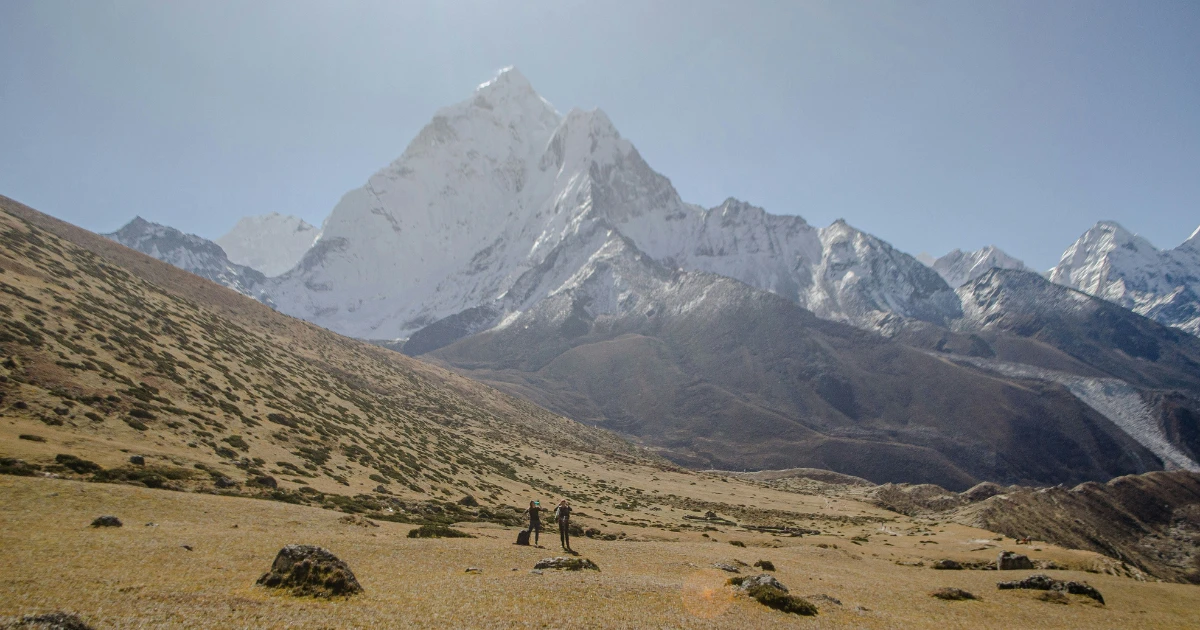
The Everest Base Camp trek is the route that most people associate with Nepal trekking at its most ambitious, and it earns its reputation. Fourteen days of walking in the Khumbu region, passing through Namche Bazaar at 3,440 metres, Tengboche monastery at 3,860 metres, and the high villages of Dingboche and Lobuche before reaching the Base Camp at 5,364 metres and, for those who want it, Kalapatthar at 5,545 metres for the best view of Everest available on foot, constitutes a significant physical and logistical undertaking.
For solo travellers, it is also one of the most socially rich group trek experiences available. The EBC trail attracts an internationally diverse trekking community, the shared objective creates a common reference point from the first day, and the accumulated experience of twelve to fourteen days walking together gives Hiking Nepal group departures on this route a depth of connection that shorter circuits cannot fully replicate.
The route requires a domestic flight to Lukla, which introduces a weather dependency that the Pokhara-based treks avoid. Lukla's Tenzing-Hillary Airport operates within a specific weather window that is not always available on demand, and flight delays in peak October are not unusual. Hiking Nepal builds contingency days into EBC itineraries and maintains communication with flight operators throughout the season.
Altitude management is more demanding on EBC than on any other route in this guide. Nights above 4,000 metres are standard from Day 7 onwards, and the acclimatisation days at Namche and Dingboche built into the standard itinerary are not optional. The group format provides daily altitude monitoring and the collective benefit of a guide whose attention is focused on detecting early symptoms across the group rather than a single individual whose health may not deteriorate in a predictable pattern.
This route suits solo travellers with twelve to fourteen days available, a strong fitness baseline and ideally some prior trekking experience above 3,000 metres, and the specific objective of reaching Everest Base Camp rather than simply experiencing a high-altitude Himalayan circuit.
Manaslu Circuit Trek
Duration: 13 to 15 days Maximum altitude: 5,160m at Larkya La Pass Difficulty: Moderate to challenging Group size: 6 to 8 trekkers Best season: March to May, September to November Group joining price: From USD 1,800 per person
The Manaslu Circuit is a restricted area requiring a mandatory licensed guide and a Manaslu Restricted Area Permit in addition to standard documentation. As a result, it draws a more self-selecting group of trekkers than the open routes, people who have made a deliberate choice to be there rather than simply joining the most popular circuit. This tends to produce particularly cohesive group dynamics on Hiking Nepal's Manaslu departures.
The circuit circumnavigates Mount Manaslu, the eighth-highest mountain in the world, and crosses the Larkya La Pass at 5,160 metres. The upper section from Lho through Sama Gaon and Samdo passes through Tibetan Buddhist communities that are among the most culturally intact in Nepal, with active monasteries, mani walls, and a daily life that has not been substantially reorganised around trekking tourism.
For solo travellers specifically, the Manaslu Circuit offers the distinctive combination of genuine high-altitude challenge, deep cultural access, and the quiet of a less-visited trail, all within the safety structure of a group departure with a guide who has a legal and professional responsibility for everyone in the party. The camaraderie built over thirteen to fifteen days, including the shared intensity of the Larkya La crossing, tends to be among the strongest of any Hiking Nepal group departure.
This route suits solo travellers with prior high-altitude experience, ideally including at least one circuit above 3,500 metres, who want something wilder and less crowded than the EBC or Annapurna routes. It requires at least two weeks and a genuine fitness commitment.
Upper Mustang Trek
Duration: 10 to 14 days Maximum altitude: 3,840m Difficulty: Moderate Group size: 6 to 8 trekkers Best season: March to November Group joining price: From USD 2,200 per person
Upper Mustang is one of the few genuinely distinct cultural experiences available on a Nepal trekking route. The region was a restricted kingdom until 1992 and maintains a permit system that limits visitor numbers: the special Upper Mustang permit costs USD 500 per person for ten days. The result is a trail and a destination that feels nothing like the developed circuits near Pokhara or Kathmandu.
The landscape is high-altitude Tibetan plateau, arid and wind-sculpted, with eroded ochre and red cliffs dotted with cave dwellings carved into the rock faces above medieval walled villages. The ancient city of Lo Manthang at 3,840 metres, with its whitewashed walls, active monastery, and royal palace, is one of the most extraordinary overnight destinations on any trekking route in South Asia.
For solo travellers, the Upper Mustang group departure format is particularly valuable because the permit cost and the logistical complexity of the route make independent travel significantly more expensive per person and considerably more demanding to arrange. Joining a group spreads the permit cost across participants, provides cultural interpretation through a guide with specific regional knowledge, and creates the shared context through which the extraordinary qualities of the destination are best appreciated.
The trek suits solo travellers with specific cultural interests, anyone who has already completed the major Annapurna or Everest routes and wants something with a completely different character, and those with ten to fourteen days who want a high altitude experience without a pass crossing above 5,000 metres.
Dhampus and Australian Camp Trek
Duration: 2 to 3 days Maximum altitude: 2,065m at Australian Camp Difficulty: Very easy Group size: 4 to 6 trekkers Best season: Year-round Group joining price: From USD 320 per person
At the accessible end of the group trek range, the Dhampus and Australian Camp circuit is the right starting point for solo travellers with two to three days in Pokhara, no prior trekking experience, or a specific interest in a cultural village stay rather than a high-altitude summit. Australian Camp at 2,065 metres is three to four hours from the Kande trailhead and offers a direct view of the Annapurna range that has justified many longer journeys from further away.
The cultural dimension of the Dhampus extension, which descends through one of the most intact Gurung villages accessible from Pokhara, is the reason this circuit is worth the extra day beyond a simple Australian Camp out-and-back. Gurung homestay accommodation in Dhampus provides a direct cultural experience that the standard teahouse format does not replicate: a family kitchen, a shared meal, and an evening conversation facilitated by the guide that gives the village context no amount of guidebook reading provides.
For solo travellers who want to experience a group departure in Nepal before committing to a longer circuit, this trek functions as an excellent introduction to the format, the logistics, and the experience of walking in the Annapurna foothills with a licensed guide.
Choosing the Right Group Trek
The selection among these routes is primarily a function of four variables: time available, fitness level, budget, and the kind of experience you are looking for. The following framework gives a starting point.
Your Profile | Recommended Trek | Why |
| First-time trekker, one week | Poon Hill Circuit | Accessible, complete, socially rich |
| Active traveller, one week | Mardi Himal or ABC | More altitude, less crowd density |
| Two weeks, first high-altitude trek | Langtang or ABC | Varied culture, manageable altitude profile |
| Two weeks, prior high-altitude experience | EBC or Manaslu Circuit | Significant objective, strong group dynamic |
| Cultural priority over altitude | Upper Mustang | Unique destination, intimate group |
| Two to three days only | Dhampus and Australian Camp | Accessible, genuine experience, no commitment |
| Solo female traveller, first Nepal trek | Poon Hill Circuit | Well-travelled, social, logistically simple |
| Returning Nepal trekker, want something different | Manaslu Circuit or Upper Mustang | Less visited, distinctive character |
What Hiking Nepal Group Departures Include
Every Hiking Nepal group joining departure includes the following as standard. These are not optional upgrades or items that vary between budget and premium versions of the same package. They are the baseline for every group departure.
A licensed, WAFA-certified guide dedicated to the group throughout the trek. One contracted porter per two trekkers, employed on a written agreement with wages at or above IPPG regional minimums, load limits enforced at 20 kilograms, and accommodation and meals in the same teahouses as the group. All relevant permit fees including TIMS card, conservation area or national park permits, and restricted area permits where applicable. Teahouse accommodation at pre-selected lodges at each overnight stop, with rooms pre-booked before departure. Three meals per day from the first overnight to the final morning, communicated to lodge kitchens in advance with any dietary requirements confirmed at booking. Private vehicle transfers from Kathmandu or Pokhara to the trailhead and return. A pulse oximeter for daily altitude monitoring. A full first-aid kit including altitude medications. A satellite communication device on routes above 4,000 metres or in areas with unreliable mobile coverage. Twenty-four-hour emergency coordination from the Hiking Nepal operations team throughout the trek.
The following are not included in any group joining price and should be budgeted separately. International flights to and from Nepal. Nepal visa fees. Travel insurance with helicopter evacuation cover from altitude, which is mandatory and verified at the pre-trek briefing. Tips for the guide and porters, with NPR 500 to 1,000 per person per day as the customary range for a satisfied group. Personal expenses on trail including hot showers, Wi-Fi, battery charging, and snacks beyond the three daily meals.
Joining a Hiking Nepal Group Departure: The Practical Process
The process of joining a group departure with Hiking Nepal follows a straightforward sequence. Initial contact is made by email at [email protected] or by WhatsApp at +977 9802342080, specifying the preferred route, the available travel dates, and any relevant fitness history or dietary requirements.
Hiking Nepal confirms available departure dates that match the requested window, provides a full cost breakdown for the specific trek, and answers any questions about the itinerary, group size, or route specifics. A deposit of 20 to 30 per cent of the total package cost secures the spot on the departure. The balance is due 30 days before the departure date.
Before arrival, clients receive a gear list, permit documentation, and logistics information including the pre-trek briefing time and location in Kathmandu or Pokhara. A group WhatsApp message thread is set up for confirmed trekkers on the same departure, which allows people to introduce themselves before arrival and coordinate any shared logistics. The pre-trek briefing on the evening before departure covers the itinerary in detail, gear check, altitude safety information, and introductions to the guide and any co-trekkers who have not met online already.
Practical Advice for Solo Travellers Joining a Group Trek
Before Departure
Book as early as practical for peak season departures, particularly October on the EBC route and late March to mid-April on the Poon Hill circuit. These windows fill consistently and solo travellers who wait until six weeks before a preferred departure date frequently find group joining spots unavailable. Himalayan hero, spring, and autumn peak dates should be secured three to four months in advance where possible.
Arrive in Kathmandu or Pokhara at least one full day before the trek begins. The pre-trek briefing requires a full evening and the gear check requires time to source any missing items in Thamel or Lakeside. Arriving the morning of departure and attempting to complete permit photography and gear procurement simultaneously is a recoverable situation but an unnecessarily stressful one.
Purchase travel insurance before departure from your home country rather than on arrival in Nepal. Insurance purchased at Kathmandu agents sometimes has exclusions or processing delays that are easier to resolve before travel. Verify that the policy explicitly covers helicopter evacuation from altitude (the specific phrase matters and should appear in the policy document), emergency medical treatment in Nepal, and repatriation.
On the Trail
Altitude demands a different relationship with physical effort from sea-level exercise. The urge to push pace on days when you feel strong is understandable and consistently counterproductive. The guide sets the pace for a reason. Following it, even when it feels slow, is the most effective altitude management strategy available.
Drink three to four litres of fluid per day above 3,000 metres regardless of thirst levels. Thirst is not a reliable indicator of hydration at altitude because the mechanisms that trigger it are affected by the physiological changes of altitude adjustment. Dark urine is the practical monitoring tool. Pale yellow is the target.
Engage with the group rather than defaulting to headphones and solitude when the walking is easier. The quality of the social experience on a group trek correlates directly with the investment each member makes in the shared dynamic. The trekkers who get the most from the social dimension are consistently those who bring genuine curiosity to the group rather than treating it as a convenient logistics arrangement.
Frequently Asked Questions
Do I need prior trekking experience to join a group trek in Nepal? Not for the accessible routes. The Poon Hill circuit, Dhampus, and Australian Camp are appropriate for adults with no prior trekking experience who are in reasonable physical condition and can walk for four to five hours on uneven terrain. Mardi Himal, Langtang, and ABC suit travellers with some prior hill walking experience. EBC and Manaslu require a genuine fitness baseline and benefit from prior experience above 3,000 metres.
Are group treks in Nepal safe for solo female travellers? Nepal is broadly safe for solo female travellers and the group trek format provides the added safety structure of a licensed guide, a defined route, pre-booked accommodation, and a group of co-trekkers. Hiking Nepal can arrange female guides on request for departures where this is a preference. Female-only group departure dates are available on the Poon Hill, ABC, and Langtang routes. Contact the booking team for specific dates.
What is the maximum group size on a Hiking Nepal departure? Group joining departures are capped at eight trekkers per licensed guide as a standard policy. Many departures run with four to six trekkers. The small group size is not a marketing claim. It is the operating standard that allows the guide to monitor every individual's altitude response, set a pace that suits the least well-acclimatised member, and provide the attention that a group of twelve or more would dilute beyond practical value.
Can I join a group trek at short notice? For standard routes including Poon Hill, Langtang, and ABC, Hiking Nepal can confirm group joining spots within 48 hours to two weeks depending on the departure date. For restricted area routes including Manaslu and Upper Mustang, permit processing requires a minimum of one to two weeks before the departure date. For the October peak window on EBC, booking three to four months in advance is strongly advisable.
What happens if I do not get on well with the other trekkers in my group? Hiking Nepal's pre-booking process collects information on age, experience level, and interests specifically to match compatible trekkers on the same departure. Genuine compatibility problems are uncommon in well-matched small groups, but if a significant issue arises, the guide will address it directly. In rare cases, Hiking Nepal can arrange a transfer to an alternative departure. The small group sizes make interpersonal dynamics considerably easier to manage than large group tours.
What is the cancellation policy? Cancellations made 60 or more days before departure receive a full refund minus any permit processing costs already incurred. Cancellations between 30 and 59 days before departure receive a 50 per cent refund. Cancellations within 30 days of departure are non-refundable, though Hiking Nepal will attempt to transfer the booking to an alternative departure date where operationally possible. These terms reflect the permit and accommodation pre-booking costs that are committed at specific points in advance of the departure date.
Join a Hiking Nepal Group Departure in 2027
Spring 2027 group departures are open for booking from November 2026. Autumn 2027 departures open from April 2027. Peak October dates on the EBC route and the late March to mid-April rhododendron window on the Poon Hill circuit fill earliest.
Contact Hiking Nepal by WhatsApp at +977 9802342080 (Nava) or by email at [email protected] to check availability for any route in this guide, discuss the right circuit for your time and fitness, or ask any specific questions about the group departure format. A full itinerary and cost proposal are provided within 48 hours of your initial enquiry.
The mountains are better shared. The people you meet on a group trek in Nepal tend to stay in your life well beyond the circuit.