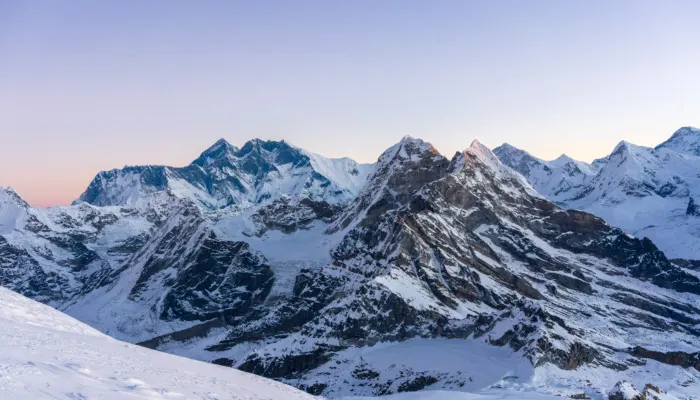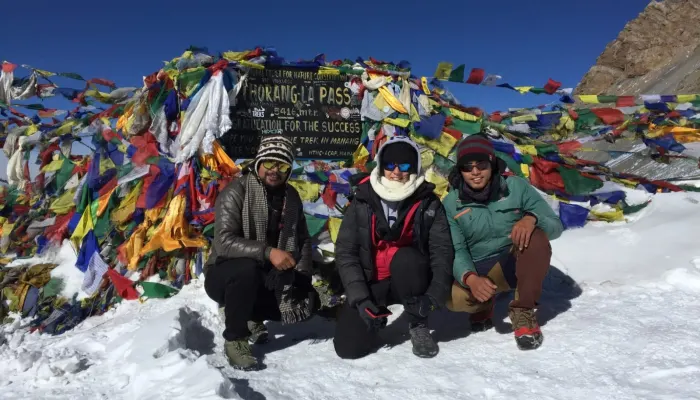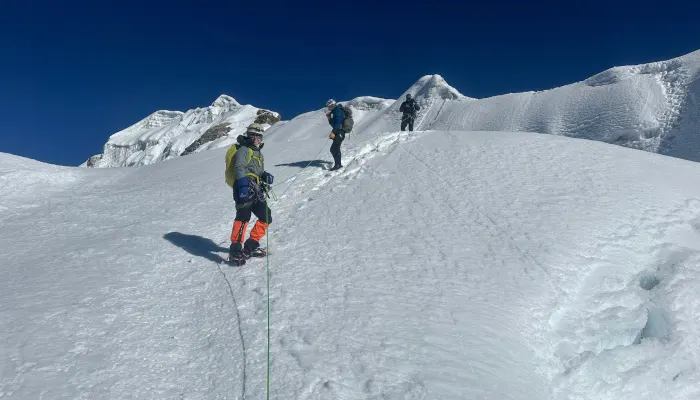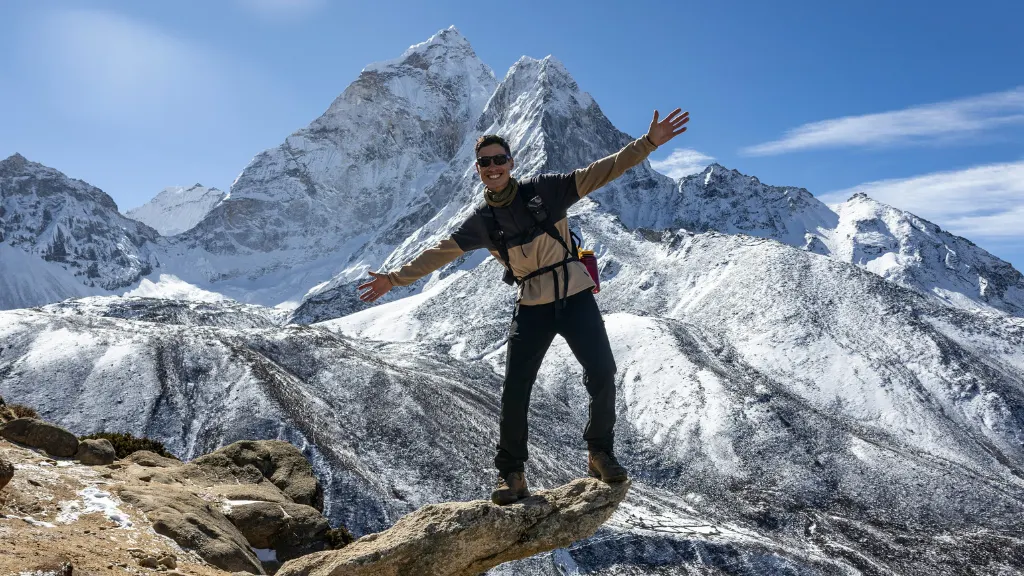
On the second morning of a Poon Hill trek, a first-time trekker from Manchester stopped on a stone staircase halfway to Ghorepani, bent over with her hands on her knees and announced that she had made a terrible mistake. She had trained for six weeks, bought new boots, and still felt the 3,000 steps of Ulleri in her thighs. Her guide, Bikash, did not argue. He pointed up the valley instead. A line of mules was coming down in single file, bells ringing, and behind them, above the rhododendron trees, a white wall of Annapurna South had just appeared out of the cloud.
She finished the staircase. By the next dawn she was standing on Poon Hill at 3,210 metres with a flask of tea, watching Dhaulagiri turn gold, and had stopped using the word "mistake".
That is the case for an easy trek in Nepal. You do not need a mountaineering background, a month of leave or a large budget. You need the right route, a sensible pace and a team that knows the trail. This guide covers the ten easiest treks in Nepal for beginners, with altitudes, daily walking times, costs, permits, the best season for each and the training and safety information that first-timers need before they book.
What is the easiest trek in Nepal?
The easiest treks in Nepal stay below 3,500 metres, last three to seven days, use well-built teahouse trails and need no technical skills. The Royal Trek near Pokhara is the gentlest, reaching only about 1,500 metres. The Ghorepani Poon Hill trek is the most popular easy trek, with comfortable lodges and a sunrise view of the Annapurna and Dhaulagiri ranges. Short Mardi Himal and the Tamang Heritage Trek suit beginners who want more mountain scenery or culture.
Easiest treks in Nepal at a glance
Feature | Details |
| Best overall beginner trek | Ghorepani Poon Hill (4 to 5 days) |
| Lowest altitude trek | Royal Trek (about 1,500 m) |
| Best for mountain views | Poon Hill, Pikey Peak, Everest View |
| Best for culture | Tamang Heritage Trek, Royal Trek |
| Best short trek from Kathmandu | Kalinchowk or a Kathmandu Valley rim hike |
| Typical length | 2 to 8 days |
| Daily walking time | 3 to 6 hours |
| Highest point on most easy treks | 2,000 to 3,900 m |
| Best seasons | March to May and October to November |
| Accommodation | Teahouses with twin rooms and shared bathrooms |
| Typical guided cost | About USD 250 to 1,500 depending on route and flights |
| Permits | ACAP for Annapurna routes, national park permits elsewhere (we arrange them) |
| Fitness needed | Ability to walk 4 to 5 hours on hills with a light daypack |
| Organiser | Hiking Nepal Pvt Ltd, Dabali Marga, Thamel, Kathmandu |
| Contact | +977 9802342080 (Nava), [email protected] |
What makes a trek "easy" in Nepal?
Nobody grades Nepali treks by an official scale, so "easy" is a judgement. We use six factors when we recommend a route to a first-timer.
Altitude
Altitude matters more than distance. Altitude sickness can affect anyone above about 2,500 metres, regardless of fitness. An easy trek keeps sleeping altitudes low, climbs gradually and ideally tops out below 3,500 metres. A route that reaches 4,500 metres in four days is not easy, however short the daily walks.
Daily walking time and gradient
Beginners cope well with 3 to 5 hours of walking a day. A trek where several days run past 7 hours, or where the trail climbs steeply for hours without a break, is a tougher proposition even at modest altitude.
Trail and terrain
The best beginner trails are stone-paved or well-worn paths with handrails over suspension bridges and no exposed scrambling. Steps are the main challenge on many lower treks. Ulleri on the Poon Hill route has thousands of them.
Accommodation and food
Easy treks use established teahouses where you sleep in a clean room with blankets, eat hot meals and can charge a phone. Remote routes with camping or basic homestays are better left for a second trek.
Access and exit options
A good first trek starts and ends near a city or road, so that if you feel unwell you can descend or leave quickly. Routes that need a flight to a short mountain airstrip, such as Lukla, add weather risk and are harder to leave in a hurry.
Weather exposure
Lower routes are generally warmer and less exposed. Wind, snow and extreme cold are more of a factor above 3,500 metres.
The 10 easiest treks in Nepal for beginners
1. Ghorepani Poon Hill Trek
Duration: 4 to 5 days
Maximum altitude: 3,210 m (Poon Hill)
Daily walking: 4 to 6 hours
Best seasons: March to May, October to November
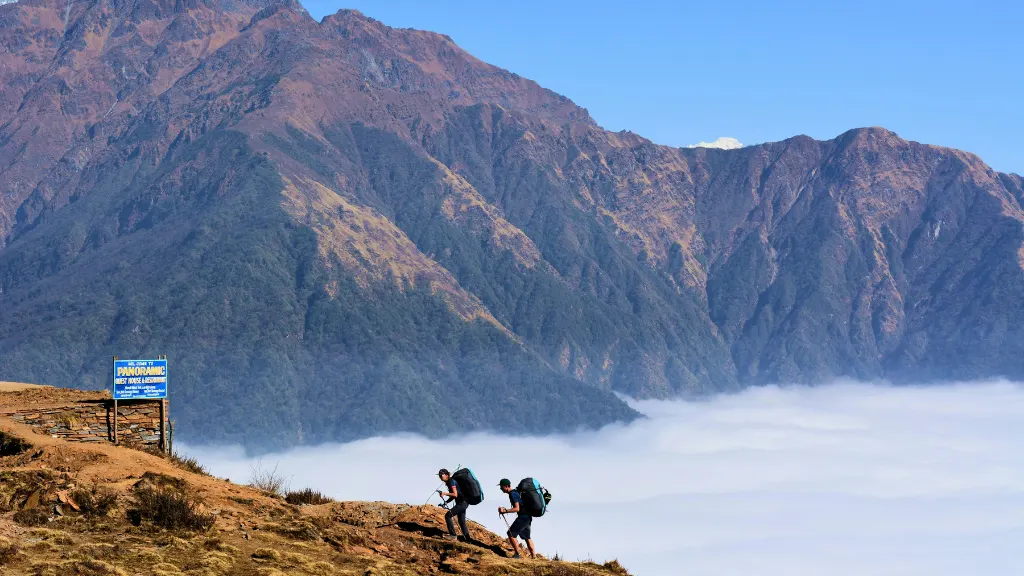
This is the standard answer to "what is the easiest trek in Nepal with big mountain views?" and it deserves its reputation. You start near Pokhara at Nayapul, climb through Tikhedhunga and the long stone staircase at Ulleri, and spend a night in Ghorepani at 2,874 metres. At about 4.30 am you climb for 45 minutes to Poon Hill for a sunrise over Dhaulagiri, Annapurna South and Machhapuchhre. The route then descends through rhododendron forest to Tadapani and Ghandruk, a large Gurung village with stone houses and a small museum.
The trail is well maintained, the lodges are comfortable by trekking standards, and Pokhara is only a few hours away if something goes wrong. The hardest sections are the staircase on day one and the cold start on summit morning. In March and April, rhododendrons bloom in red and pink along the trail. In Hiking Nepal's listings this route sits under the Ghorepani Trek (10 days) page, which stretches the same area into a gentler, longer walk with extra villages and a slower pace.
Who it suits: first-timers, couples, families with older children, and anyone who wants a classic Himalayan sunrise without a long trek.
2. Short Mardi Himal Trek
Duration: 4 to 5 days (short version), 5 to 6 days (full)
Maximum altitude: about 3,580 m at High Camp (4,500 m at the viewpoint on the full trek)
Daily walking: 4 to 6 hours
Best seasons: March to May, October to November
Mardi Himal is a ridge walk through rhododendron and oak forest, with Machhapuchhre appearing close enough to count the snow crests. The short version stops around High Camp at 3,580 metres, which keeps the trek within the reach of fit beginners. The full route continues to the viewpoint at 4,500 metres, which is harder and better suited to second-time trekkers.
Lodges are simpler than on the Poon Hill trail, with basic rooms and shared bathrooms, and the trail is steeper in places. It is quieter, which many first-timers enjoy.
Who it suits: beginners who are reasonably fit, want fewer crowds and like the idea of a ridge walk. If you are nervous about altitude, choose Poon Hill first.
3. Royal Trek
Duration: 2 to 4 days
Maximum altitude: under about 1,700 m
Daily walking: 3 to 5 hours
Best seasons: October to May (also workable in light monsoon)
The Royal Trek is the lowest and gentlest trek on this list. It runs through villages above Begnas Lake near Pokhara, passing Sundari Danda, Syaklung and Majhthana, with views across the Annapurna range and the lakes below. Because it never goes above about 1,700 metres, altitude sickness is not a realistic concern, and the days are short with plenty of time for lunch in the sun.
The trek is named for a royal visit in the 1980s, but the real reasons to walk it are the unhurried pace and the village life. You stay in family-run lodges and homestays, and the walking is mostly gentle ridge trail and farm paths.
Who it suits: families with children, older trekkers, anyone with a health concern about altitude, and couples who want an easy introduction.
4. Tamang Heritage Trek
Duration: 6 to 8 days
Maximum altitude: about 3,165 m
Daily walking: 4 to 6 hours
Best seasons: March to May, October to November
The Tamang Heritage Trek runs through the Langtang National Park region north of Kathmandu, through Gatlang, Tatopani, Thuman and Briddim. It is a cultural trek first, with Tamang villages, carved stone walls, prayer flags and a hot spring at Tatopani. The altitude is moderate, the trail is good and the accommodation is mostly homestay-style lodges.
It is also less busy than the Annapurna foothills, and the drive to Syabrubesi takes seven to eight hours, so allow time at either end. A guided trip adds cultural context, from the history of Tamang trading to the customs of local festivals.
Who it suits: beginners who care more about villages and culture than mountain summits, and who do not mind a long road journey.
5. Kalinchowk Trek
Duration: 2 to 3 days
Maximum altitude: about 3,842 m (Kalinchowk Bhagwati temple)
Daily walking: 3 to 5 hours
Best seasons: December to March for snow, October to November and April for clearer weather
Kalinchowk is a hilltop pilgrimage site in Dolakha district, east of Kathmandu, known for its temple, its snow in winter and the cable car that shortens the climb from the road. Many visitors go for the snow in January and February, which makes it one of the few places in Nepal where beginners can walk in fresh snow without crossing a high pass.
The altitude is higher than the title suggests, because the temple area is close to 3,850 metres, so allow time and walk slowly, even though the trek is short. The drive from Kathmandu takes about seven to eight hours. Bring warm clothes, because it is genuinely cold.
Who it suits: beginners with a long weekend, couples who want snow, and anyone who wants a short, cultural trek. Not recommended for people who are concerned about altitude without a night to acclimatise.
6. Everest View Trek
Duration: 5 to 7 days
Maximum altitude: about 3,880 m (Everest View Hotel)
Daily walking: 3 to 5 hours
Best seasons: March to May, October to November
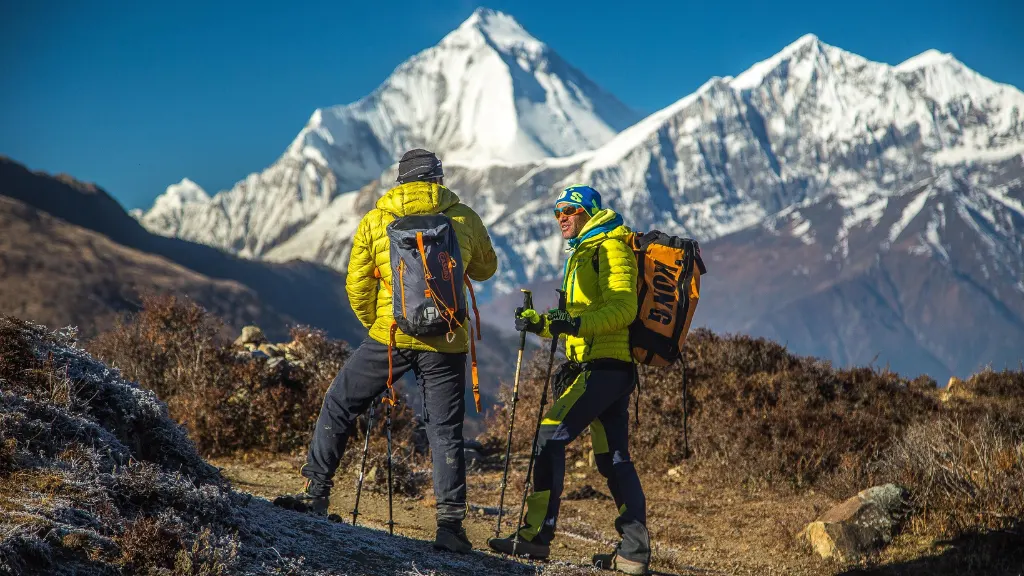
The Everest View Trek is the most beginner-friendly way to see Everest on foot. You fly from Kathmandu to Lukla, walk to Phakding and Namche Bazaar, and spend a rest day exploring Khumjung and the Everest View Hotel, which sits at around 3,880 metres with a famous panorama of Everest, Lhotse and Ama Dablam. You then retrace your steps to Lukla.
It is easier than the Everest Base Camp trek because it stops early and uses a rest day, but it is not a low trek. You sleep at 3,440 metres in Namche, and the final viewpoint is higher still. The Lukla flight adds weather risk, so keep a spare day in Kathmandu. If altitude is a concern, choose Poon Hill first.
Who it suits: beginners who want Everest scenery and Sherpa culture in under a week, and are happy to walk slowly.
7. Pikey Peak Trek
Duration: 5 to 7 days
Maximum altitude: about 4,065 m
Daily walking: 4 to 6 hours
Best seasons: March to May, October to November
Pikey Peak sits in the Solukhumbu region, south of the main Everest trail, and offers one of the best views of Everest, Makalu and Kanchenjunga from a single summit. Because the peak is only a day's walk from the road, you get dawn views without the Lukla flight, and the trail runs through Rai and Sherpa villages.
It is a step up from the easiest trails, because the summit rises above 4,000 metres, but the climb is gradual and the days are not long. We include it as a stretch option for beginners who are fit and have had a good experience on a lower trek.
Who it suits: fit beginners who want an Everest view without crowds, and who are comfortable with a slightly higher summit.
8. Annapurna Panorama and Muldai View Trek
Duration: 5 to 7 days
Maximum altitude: about 3,600 m (Muldai View)
Daily walking: 4 to 6 hours
Best seasons: March to May, October to November
The Annapurna Panorama Trek, also called the Ghorepani trek in many itineraries, links Poon Hill with Tadapani, Ghandruk and nearby viewpoints. The Muldai View variant adds a high lookout near Ghorepani with sweeping views of Dhaulagiri and Annapurna. It is quieter than the classic route, uses the same comfortable lodges and has a slightly slower pace.
If you want an extra day or two beyond the standard Poon Hill, this is the natural extension. Because it climbs gradually and stays below about 3,600 metres, it is a good second step for beginners.
Who it suits: beginners who want a longer, quieter trek in the same area as Poon Hill.
9. Jomsom Muktinath Trek
Duration: 6 to 8 days
Maximum altitude: about 3,710 m (Muktinath)
Daily walking: 4 to 6 hours
Best seasons: March to June, September to November
This route runs along the Kali Gandaki river valley through the world's deepest gorge, past Marpha with its apple orchards and into the dry landscape of Lower Mustang. The trail is flat compared with other treks and passes through Thakali villages, with views of Dhaulagiri and Nilgiri. Muktinath is a pilgrimage site for both Hindus and Buddhists.
The main challenge is wind in the afternoon, so start early. Altitude climbs steadily, and you cross 3,000 metres by Kagbeni, so take the ascent slowly. A flight from Pokhara to Jomsom saves time but is weather dependent. The trek is easier in the monsoon than any other route because Mustang sits in a rain shadow.
Who it suits: beginners who like culture, landscapes and pilgrimage, and want a trek that works outside the main seasons.
10. Kathmandu Valley rim hikes
Duration: 1 to 3 days
Maximum altitude: about 2,800 m (Phulchowki is the highest, Shivapuri is about 2,700 m)
Daily walking: 3 to 6 hours
Best seasons: October to May
If you only have two or three days, the hills around Kathmandu offer excellent half- and full-day walks. Good options include the Nagarkot to Changunarayan trail, a hike through Shivapuri Nagarjun National Park, and the long climb up Phulchowki, which is known for its forest, birdlife and views on clear days. These walks stay below 3,000 metres and are within an hour or two of the city.
They are an ideal warm-up to test your boots, fitness and appetite for walking before you commit to a longer trek, and they give you a first look at village life without a flight. Hiking Nepal's Around Kathmandu Valley Hiking tour is designed with this in mind.
Who it suits: travellers with limited time, families, and anyone who wants to try trekking before booking a longer trip.
Easy treks comparison table
Trek | Days | Max altitude | Difficulty | Best for |
| Royal Trek | 2 to 4 | under 1,700 m | Very easy | Families, older trekkers |
| Ghorepani Poon Hill | 4 to 5 | 3,210 m | Easy to moderate | First-timers, couples |
| Short Mardi Himal | 4 to 5 | about 3,580 m | Moderate | Fit beginners, quiet trails |
| Tamang Heritage | 6 to 8 | about 3,165 m | Easy to moderate | Culture lovers |
| Kalinchowk | 2 to 3 | about 3,842 m | Easy to moderate | Snow, short trips |
| Everest View | 5 to 7 | about 3,880 m | Moderate | Everest views |
| Pikey Peak | 5 to 7 | about 4,065 m | Moderate | Fit beginners |
| Annapurna Panorama / Muldai View | 5 to 7 | about 3,600 m | Easy to moderate | Longer, quieter walk |
| Jomsom Muktinath | 6 to 8 | about 3,710 m | Easy to moderate | Culture, monsoon trips |
| Kathmandu Valley rim hikes | 1 to 3 | about 2,800 m | Easy | Warm-up, short stays |
How to choose your first trek
Start with three questions.
How many days do you have? With two or three days, choose Kalinchowk or a Kathmandu Valley hike. With four to five days, choose Poon Hill or short Mardi Himal. With a week or more, consider the Tamang Heritage Trek, the Everest View trek or a longer Annapurna Panorama route.
How do you feel about altitude? If you have never been above 2,500 metres, start with Poon Hill, the Royal Trek or a Kathmandu rim hike. If you have been to altitude and handled it well, Everest View or Pikey Peak are realistic.
What matters most to you? Mountains, culture, snow, quiet or comfort? Poon Hill gives the most reliable mountain views for a short trip. Tamang Heritage gives culture. Kalinchowk gives snow. Royal gives rest.
If you are still unsure, message Nava at Hiking Nepal on WhatsApp with your dates and fitness level, and we will suggest a route.
Best time to do an easy trek in Nepal
Spring (March to May)
Spring is warm, green and colourful. Rhododendrons bloom between March and April, and lower trails are comfortable. Mountain views are generally clear in March and April and become hazier in May.
Autumn (October to November)
Autumn has the clearest skies, mild temperatures and the best mountain views. It is also the busiest time, so book flights and lodges early, especially for Poon Hill and Everest View.
Winter (December to February)
Winter is cold, with frost at night and snow at higher points, but days are sunny and the trails are quiet. Lower treks such as the Royal Trek and Kathmandu rim hikes are excellent in winter. Higher routes can have snow on the trail.
Monsoon (June to September)
The monsoon brings rain, leeches and cloudy views to most low treks, and landslides can close roads. Mustang sits in the rain shadow and is the exception, so Jomsom Muktinath is the best option if you must travel in the wet season.
Fitness and training for a beginner trek
You do not need to be an athlete, but you should arrive reasonably fit. If you can walk 4 to 5 hours on hilly ground with a small daypack, you can complete most easy treks.
A simple 6 to 8 week plan
Walk three or four times a week, building from 45 minutes to 3 hours. Add hills or stairs once a week, and carry a daypack with 4 to 6 kilograms by week four. Do one long walk each weekend, building to 4 to 5 hours at a steady pace. Include some downhill walking, because descents are hard on knees, especially on Ulleri's steps.
Strength and mobility
Squats, lunges, step-ups and calf raises prepare your legs for stairs. Light core work protects your back under a pack. Stretch your calves, quads and hip flexors after each walk.
Break in your boots
Wear your boots on every training walk. Blisters ruin more beginner trips than altitude does. Choose mid-height boots with ankle support and a stiff sole, and bring two pairs of socks.
Mental preparation
You will be tired, a little cold and sometimes uncomfortable. That is normal. The best trekkers walk slowly, eat and drink regularly and treat each day as a small project.
Altitude and safety for first-timers
Understanding altitude
At 3,000 metres, the air holds about 70 per cent of the oxygen found at sea level. Most healthy people adapt if they ascend slowly, but some do not, and fitness does not predict who will be affected.
Rules that keep you safe
Walk slowly, drink three to four litres of water a day and eat even when your appetite is low. Avoid alcohol on the first nights above 3,000 metres. Above 3,000 metres, aim to sleep no more than 300 to 500 metres higher than the night before, and include a rest day every 1,000 metres of gain. Tell your guide at once if you feel unwell.
Symptoms of acute mountain sickness (AMS)
Early signs are a headache, nausea, dizziness, poor sleep and loss of appetite. If symptoms get worse, or you develop a severe headache, vomiting, confusion, loss of balance or breathlessness at rest, you must descend. Do not continue upward with worsening symptoms. Descent is the only reliable treatment, and your guide will make the final decision.
Other common issues
Stomach upsets, blisters, sunburn and cold are all more likely than altitude sickness on lower treks. Use filtered or treated water, wash hands often, wear sun cream and keep spare dry socks.
Travel insurance
Buy a policy that covers trekking up to the maximum altitude of your route and includes emergency helicopter evacuation. Check that it covers the activity you plan, not just "hiking". Insurance is non-negotiable, even on a short trek.
Do you need a guide or porter?
Rules for independent trekking have changed several times in recent years, and different sources give different answers. For restricted areas a licensed guide is mandatory. On easy treks we strongly recommend a guide anyway, because a guide handles permits, lodge bookings and route decisions, recognises early altitude symptoms and gives context that makes the walk richer. A porter carries your main bag, usually up to 10 to 12 kilograms of your gear per person, so you walk with a light daypack and enjoy the day.
Permits and rules for easy treks
Most easy treks need one or two permits, which Hiking Nepal arranges as part of the package.
Annapurna region routes such as Poon Hill, Mardi Himal and Annapurna Panorama need the Annapurna Conservation Area Permit (ACAP), which costs NPR 3,000 for most foreign nationals. The TIMS card, a trekker registration, has been changed and enforced inconsistently in recent seasons, so we confirm the current requirement and handle it for you.
Everest region routes need a Sagarmatha National Park permit, around NPR 3,000, and a local Khumbu municipality fee. Langtang and the Tamang Heritage Trek need a Langtang National Park permit. Routes close to Kathmandu and Pokhara, including the Royal Trek and valley rim hikes, generally need no special trekking permit beyond park entry fees where applicable.
Permit rules and fees change often, so treat any figure in a blog post as a guide and confirm the latest position with us before you book.
Easy trek cost: what to expect
Costs vary with the route, season, group size and whether you fly.
Typical guided prices per person
A short guided trek from Pokhara or Kathmandu, such as Poon Hill, typically costs about USD 300 to 600. A short Mardi Himal or Annapurna Panorama trek costs about USD 350 to 800. The Tamang Heritage Trek costs about USD 500 to 900 including transport. Everest View, with flights from Kathmandu to Lukla, usually costs about USD 900 to 1,500. Prices rise in peak season and fall for larger groups.
What a package usually includes
Airport and trailhead transfers, accommodation in teahouses, three meals a day on the trek, a licensed guide, a porter, permits, domestic flights where the route needs them, and government taxes. Hotels in Kathmandu and Pokhara may or may not be included, so we list them in each quote.
What it does not include
International flights, your Nepal visa, travel insurance, lunches and dinners in the cities, hot showers and phone charging on the trail, tips and personal gear.
Budget for a self-funded extras
On the trail, budget about USD 10 to 20 a day for snacks, drinks, charging and small extras. A tip of around 10 to 15 per cent of the package price is customary for the guide and porter team, shared between you.
Ways to save
Travel in shoulder months, share a guide and porter with a friend, choose a route that does not need a flight, and hire gear in Kathmandu instead of buying it new.
What to pack for an easy trek
Pack light and in layers. A good rule is to carry no more than 8 to 10 kilograms in your own daypack and put the rest in a duffel for the porter.
Clothing: base layers, a fleece, a warm down jacket, a waterproof shell, trekking trousers, thermal underwear, a sun hat, a warm hat, gloves and two or three pairs of trekking socks.
Footwear: broken-in waterproof boots, plus sandals or light shoes for evenings.
Gear: a 30 to 40 litre daypack, a rain cover, trekking poles, a headtorch, a 1 litre water bottle or hydration bladder, water purification tablets, a sleeping bag liner (and a warm sleeping bag if you do not want to rely on lodge blankets), sunglasses and a power bank.
Health and hygiene: high-factor sun cream, lip balm, blister plasters, personal medication, hand sanitiser and toilet paper.
If you do not own all of this, you can hire sleeping bags, down jackets and poles in Thamel for a small daily fee, which is cheaper than buying for a single trip.
Teahouse life: food, rooms and daily routine
A typical day starts with breakfast at around 6.30 or 7 am, usually porridge, eggs, Tibetan bread or pancakes with tea. You walk for three or four hours, stop for lunch, which is often dal bhat, noodles or fried rice, and finish walking by mid-afternoon. Evenings are spent in the dining room, which is often the only heated room. Dinner is early, and most people are in bed by 9 pm.
Rooms are usually twin share, with a thin mattress, a pillow and blankets. Bathrooms are shared, and hot showers cost extra. Dal bhat is the best food choice, because it is hot, freshly made and often comes with free refills. Stick to vegetarian dishes at altitude, because meat is carried up slowly and is less fresh.
Drink only boiled, filtered or treated water. Bottled water is available but creates plastic waste, so refillable bottles with purification tablets or a filter are better.
Easy treks for families, seniors and solo travellers
Trekking with children
Children from about 8 years old can manage the Royal Trek and the lower sections of Poon Hill with short days and plenty of snacks. Keep the pace slow and avoid routes above 3,000 metres with very young children. A porter and a flexible itinerary make a big difference.
Trekking as a senior
Many people in their sixties and seventies trek in Nepal. Choose a low route, take a porter, add rest days, check with your doctor and walk at your own pace. The Royal Trek, Poon Hill and the Jomsom Muktinath trek all work well.
Solo travellers and solo women
You can join a group trek or book a private guide. Nepal is generally safe for solo women on popular trails, and guide-led trips add peace of mind. Choose reputable lodges and tell your guide about any concerns.
Common mistakes first-time trekkers make
Choosing a trek that is too ambitious
Many beginners pick Everest Base Camp or Annapurna Base Camp first, because they are famous. Both reach more than 4,000 metres and are demanding for first-timers. A short Poon Hill or Mardi Himal trek is a better start.
Skipping training
Fitness matters, particularly on descents. Even a few weeks of hill walking make a clear difference.
Packing too much
Most beginners overpack. Every extra kilogram is one your porter carries and one you pay for, and you rarely use more than half of what you bring.
Rushing the schedule
Altitude punishes speed. Build in a rest day, accept a slow pace and do not try to keep up with faster walkers.
Ignoring early altitude symptoms
A mild headache is not a drama. A worsening headache is. Tell your guide early.
Forgetting buffer days
Weather delays flights and roads. Add a spare day before your international departure.
From first trek to second trek
If you finish Poon Hill and want more, the natural next steps are the full Mardi Himal Trek, the Annapurna Base Camp trek (4,130 metres), a short Annapurna Base Camp variant, the Langtang Valley trek, or the Everest Base Camp trek. Each adds days and altitude, so the learning from your first trek, in particular how you respond to altitude, helps you pick the next one.
Frequently asked questions about easy treks in Nepal
What is the easiest trek in Nepal?
The Royal Trek near Pokhara is the easiest, reaching only about 1,700 metres with short days. For mountain views, the Ghorepani Poon Hill trek is the easiest popular route, reaching 3,210 metres over four to five days.
Can a complete beginner do a trek in Nepal?
Yes. Many first-time trekkers complete Poon Hill and similar routes every year. You need basic fitness, good boots, a sensible pace and a guide or team who knows the route.
How fit do I need to be for an easy trek?
You should be able to walk 4 to 5 hours a day on hilly ground with a light daypack. Six to eight weeks of regular walking, with some hills and stairs, is enough preparation for most easy treks.
Do I need a guide for an easy trek in Nepal?
Rules on independent trekking have changed several times, so check the current position before you travel. We recommend a licensed guide on every route, because they handle permits and logistics, spot altitude issues early and add local knowledge. For restricted areas, a guide is mandatory.
How much does an easy trek in Nepal cost?
A guided four to five day trek such as Poon Hill typically costs around USD 300 to 600. Longer or flight-based treks such as Everest View cost more, usually USD 900 to 1,500. Prices vary with season and group size, so ask for a quote.
What is the best time of year for an easy trek?
March to May and October to November offer the best weather and clearest views. Winter suits lower treks, and Mustang routes work well in the monsoon.
Is altitude sickness a risk on easy treks?
It is a small risk on routes below 3,000 metres and a real one above that. Walk slowly, drink plenty of water, tell your guide about symptoms and descend if they worsen. Poon Hill reaches 3,210 metres, so basic altitude awareness applies.
Can I do a trek in Nepal in the monsoon?
Some routes work. Jomsom Muktinath and Mustang sit in the rain shadow, and short hikes around Kathmandu are possible between showers. Lower trails elsewhere have leeches, cloud and landslide risk, so we usually advise waiting for autumn or spring.
Plan your first trek in Nepal with Hiking Nepal
Your first trek does not need to be your hardest. It needs to be the one that leaves you wanting a second. Tell us how many days you have, how you feel about altitude and what you most want to see, and we will match you with a route, a guide and a pace that suit you.
Message Nava on WhatsApp at +977 9802342080, email [email protected], or visit our office at Dabali Marga, Thamel, Kathmandu.
Ready to walk? Browse our short and easy treks or request a custom itinerary today.