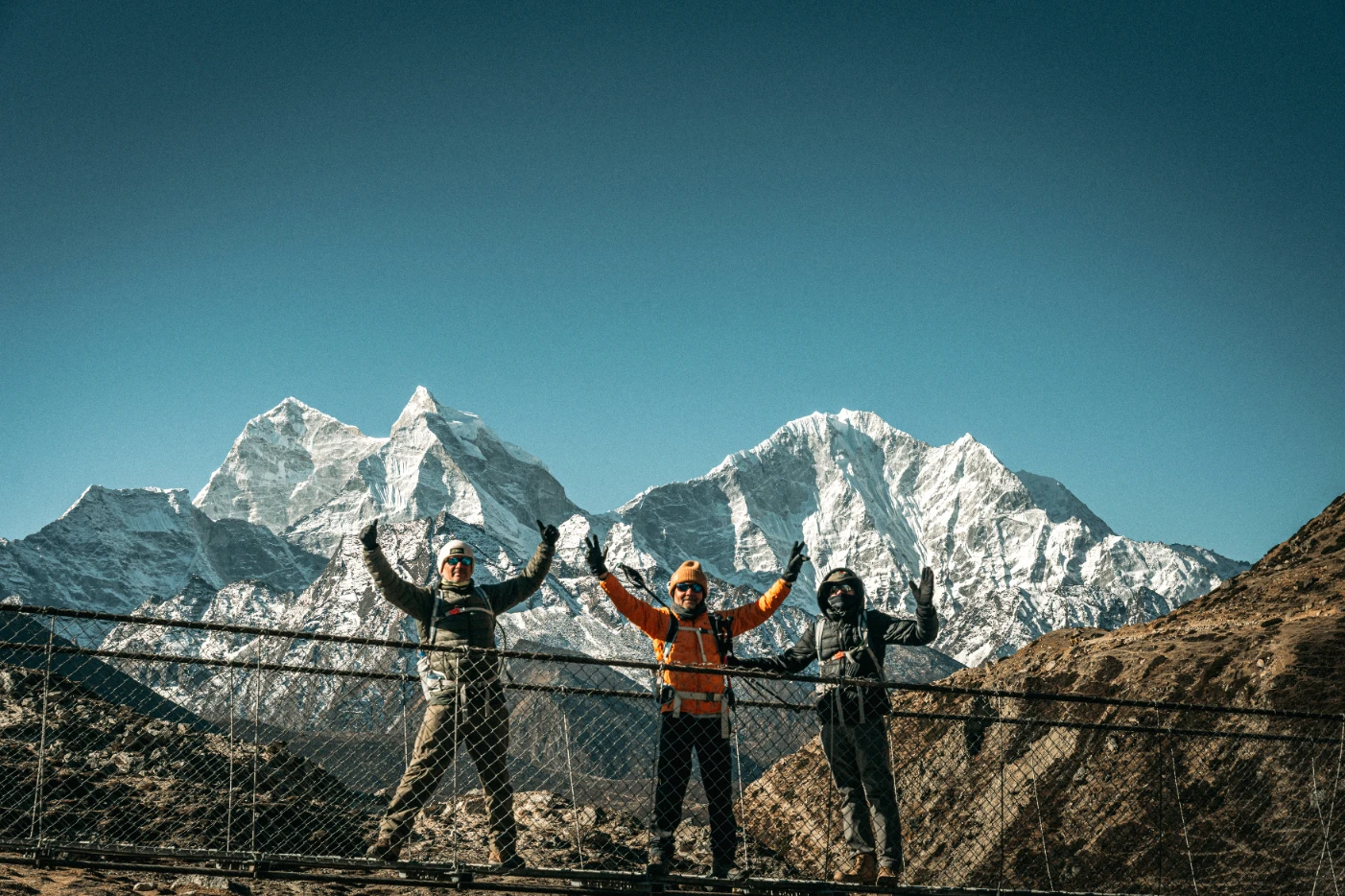
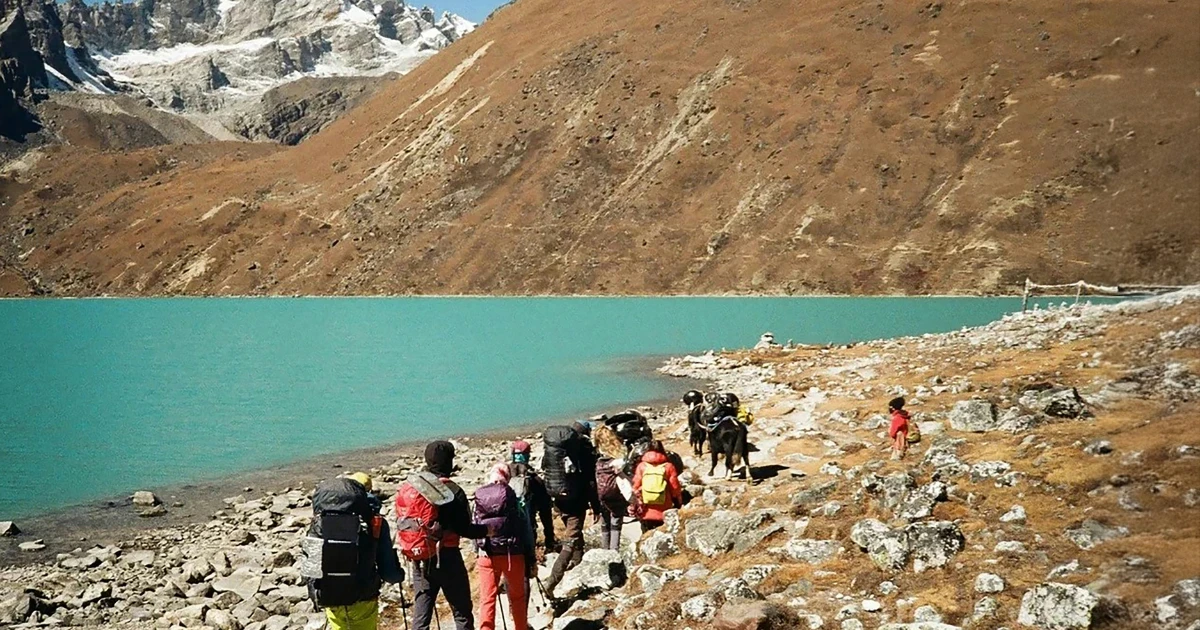
Trekking in Nepal is a once-in-a-lifetime experience, but choosing the right trek can be overwhelming. With so many breathtaking trails—ranging from short, scenic hikes to extreme high-altitude expeditions—it’s important to pick one that suits your fitness level, schedule, budget, and expectations. Whether you dream of reaching Everest Base Camp, circling the Annapurnas, or exploring remote hidden valleys, careful planning will make your journey smoother and more rewarding. Here’s everything you need to consider before lacing up your boots and hitting the trail.
1. Trekking Difficulty – Know Your Limits Before You Go
Not all treks in Nepal are created equal. Some are leisurely walks through lush rhododendron forests and beautiful villages, while others demand grueling uphill climbs, extreme endurance, and technical skills.
If you’re new to trekking or have limited experience with multi-day hikes, consider starting with an easy-to-moderate trek like:
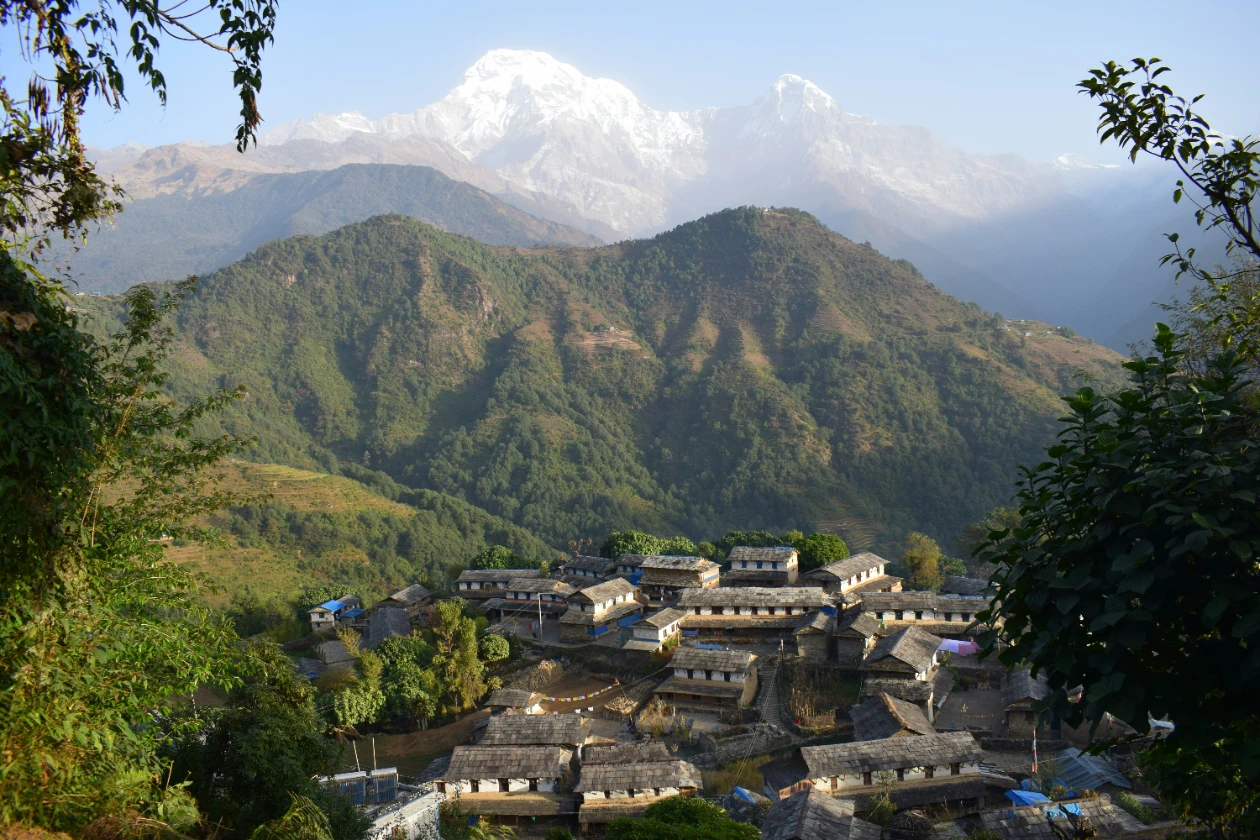
- Ghorepani Poon Hill (3,210m): A short 4-5 day trek with stunning sunrise views over Annapurna and Dhaulagiri.
- Langtang Valley (3,870m): A 6-7 day trek offering glacier views and rich Tamang culture without extreme altitude gains.
- Mardi Himal (4,500m): A peaceful trek offering spectacular Annapurna views, perfect for those looking to avoid crowds.
For more experienced trekkers seeking a challenge, consider difficult treks like:
- Everest Base Camp (5,364m): A 12-14 day trek requiring good fitness due to high altitude and long daily walks.
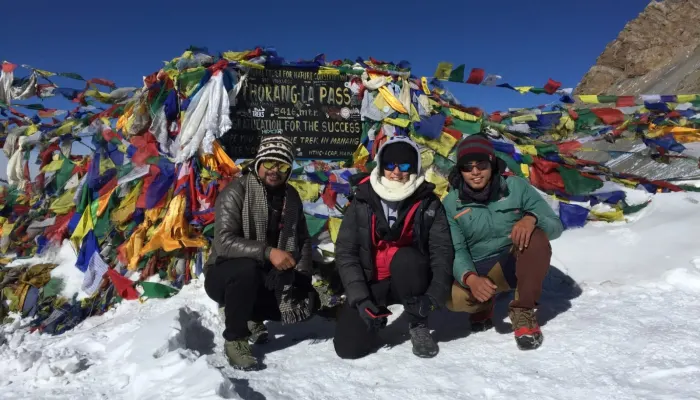
- Annapurna Circuit (5,416m at Thorong La Pass): A classic 2-week trek with steep ascents and variable climate conditions.
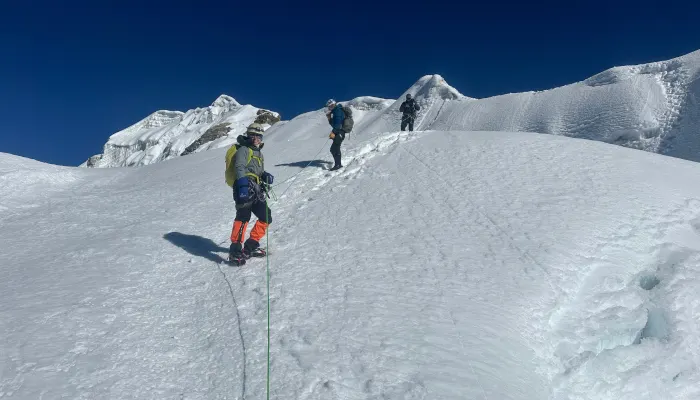
- Three Passes Trek (5,535m): One of Nepal’s toughest, requiring strong endurance and the ability to trek through snow and glaciers.
Assess your physical fitness and past trekking experience before committing. Underestimating a trek’s difficulty can lead to exhaustion, injuries, and even altitude sickness.
2. Altitude – The Higher You Go, The Harder It Gets
Altitude is the biggest challenge for most trekkers in Nepal. The higher you climb, the thinner the air becomes, making breathing more difficult and altitude sickness a real risk. Once you cross 2,500m (8,200 ft), your body needs time to acclimatize to the lower oxygen levels.
Trekking in high-altitude regions like Everest, Manaslu, and Annapurna Base Camp can cause:
- Headaches, nausea, dizziness
- Loss of appetite and difficulty sleeping
- Severe cases leading to altitude sickness, which can be life-threatening
To avoid altitude sickness:
✔ Ascend slowly—do not increase your sleeping altitude by more than 500m per day above 3,000m.
✔ Take acclimatization days—trails like Everest Base Camp and Manaslu Circuit have built-in rest days to help your body adjust.
✔ Stay hydrated and avoid alcohol—dehydration makes symptoms worse.
✔ Be aware of your body—if you feel unwell, descend immediately.
If you’ve never trekked at high altitudes before, try a lower-altitude trek first, such as Pikey Peak (4,065m) or Khopra Danda (3,660m), before attempting extreme elevations.

3. Duration – How Many Days Can You Commit?
The length of your trek is another key factor in your decision. Nepal offers treks ranging from 3 days to over a month, so consider how much time you have and how long you want to be in the mountains.
- Short Treks (3–7 days): Perfect for those with limited time or who prefer a less physically demanding experience. Popular options include:
- Ghorepani Poon Hill (4–5 days)
- Mardi Himal (5–6 days)
- Langtang Valley (6–7 days)
- Moderate Treks (8–14 days): These involve more walking and altitude gain but offer spectacular landscapes and cultural experiences. Examples:
- Everest Base Camp (12–14 days)
- Annapurna Base Camp (10–12 days)
- Manaslu Circuit (14 days)
- Long Treks (15+ days): For serious trekkers looking for an immersive adventure through remote, high-altitude terrain. Options include:
- Annapurna Circuit (16–18 days)
- Kanchenjunga Circuit (20+ days)
- Great Himalayan Trail (months-long journey across Nepal!)
If you have a tight schedule, consider shorter options or even a heli trek to Everest Base Camp.
4. Best Season – When Should You Trek?
The time of year can make or break your trek. Nepal has four distinct trekking seasons:
✔ Spring (March-May): The best time to trek! Expect mild temperatures, blooming rhododendrons, and clear mountain views. Ideal for Everest, Annapurna, and Manaslu treks.
✔ Autumn (September–November): The most popular season with stable weather, crystal-clear skies, and comfortable temperatures. Trails are busier, but conditions are ideal.
✔ Winter (December–February): Snow-covered trails, freezing nights, and fewer trekkers. Best for lower-altitude treks like Poon Hill and Helambu.
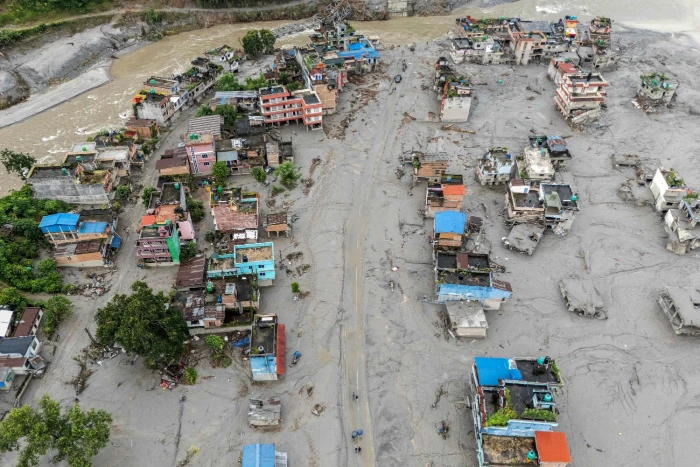
✔ Monsoon (June–August): Heavy rain, landslides, and leeches make most trails muddy and dangerous. However, Upper Mustang and Dolpo (which are in the rain shadow) are still great options.
Plan your trek based on the weather conditions and visibility you prefer.

5. Budget – How Much Does Trekking in Nepal Cost?
Trekking costs vary depending on:
- Permits and entry fees
- Guides and porters
- Food and accommodation
- Transportation (flights, jeeps, buses)
✔ Budget Treks ($30–$50/day):
- Teahouse treks with basic meals and dorm-style rooms.
- Examples: Ghorepani Poon Hill, Langtang Valley.
✔ Moderate Treks ($50–$80/day):
- Mid-range lodges, hot showers, and better food choices.
- Examples: Everest Base Camp, Annapurna Circuit.
✔ High-End Treks ($100+/day):
- Luxury lodges, helicopter returns, private guides.
- Examples: Everest Luxury Lodge Trek, Upper Mustang.
If you’re on a budget, buy gear in Kathmandu, trek independently (where possible), and avoid expensive flights.
Final Thoughts
Choosing the right trek is about balancing difficulty, altitude, duration, budget, and personal preference. Whether you’re looking for a short scenic getaway or a grueling high-altitude expedition, Nepal offers a trekking experience for everyone. Take the time to research, plan, and prepare, and you’ll be rewarded with an adventure of a lifetime in the Himalayas! Book your next trip with Hiking Nepal and let us guide you in the best way to the mountain.